Rockbridge County adopts solar ordinance after years of committee work and public comment
Loading...
Summary
After more than a year of committee and planning commission work and public comment, the Rockbridge County Board of Supervisors approved a solar ordinance that adds definitions, siting factors and permit requirements for utility‑scale solar. The measure passed unanimously and staff will continue to refine related battery‑storage and view‑shed processes.
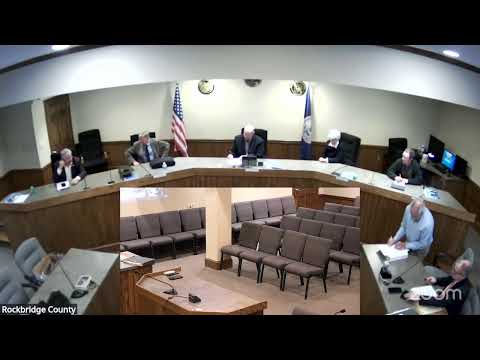
The Rockbridge County Board of Supervisors voted unanimously Feb. 23 to adopt a comprehensive solar ordinance intended to guide utility‑scale solar projects in the county.
The ordinance, developed over two years by a county solar committee and the planning commission, adds new definitions, land‑use provisions and factors to be considered when granting special exceptions, variances and rezonings for solar facilities. Chris Sladen, a Community Development staff member, told the board the draft reflects extensive public outreach and that staff will provide an application form to collect required information, including photo simulations and ownership disclosures.
Residents and stakeholders gave mixed testimony during the public hearing. Bob Bursack, who sat on the solar committee, praised the public process: “It brought together a group of people who had very different perspectives,” he said, thanking staff and commissioners for a transparent approach. Other speakers urged tighter, mandatory criteria rather than discretionary factors. Steve Kader argued the ordinance contains only a few direct requirements and warned a long list of “factors to consider” could make denials difficult to defend in court.
Members of the board debated adding a formal viewshed analysis requirement. Supervisors said photo simulations are already required and that a technical viewshed tool (for example, a Google Earth–based analysis) could help resolve disputes about visibility; staff said they would research standards and consider how to require consistent methodology before writing specific software names into the ordinance.
The board also directed the community development committee to continue work on related topics, including battery storage and data‑center language, which staff said may need separate rules. The ordinance was adopted by recorded vote with all five supervisors voting in favor.
The county attorney and planning staff said the ordinance is intended as a living document: they expect to refine details and related requirements as state law and local experience evolve. Next steps include formal adoption of application materials and guidance on photo simulations and viewshed methodology.