Get Full Government Meeting Transcripts, Videos, & Alerts Forever!
Get email alerts on the Planned Parenthood Reimbursement topic
No spam. Unsubscribe anytime.
Panel debates bill to reimburse Planned Parenthood with state funds after federal defunding
Summary
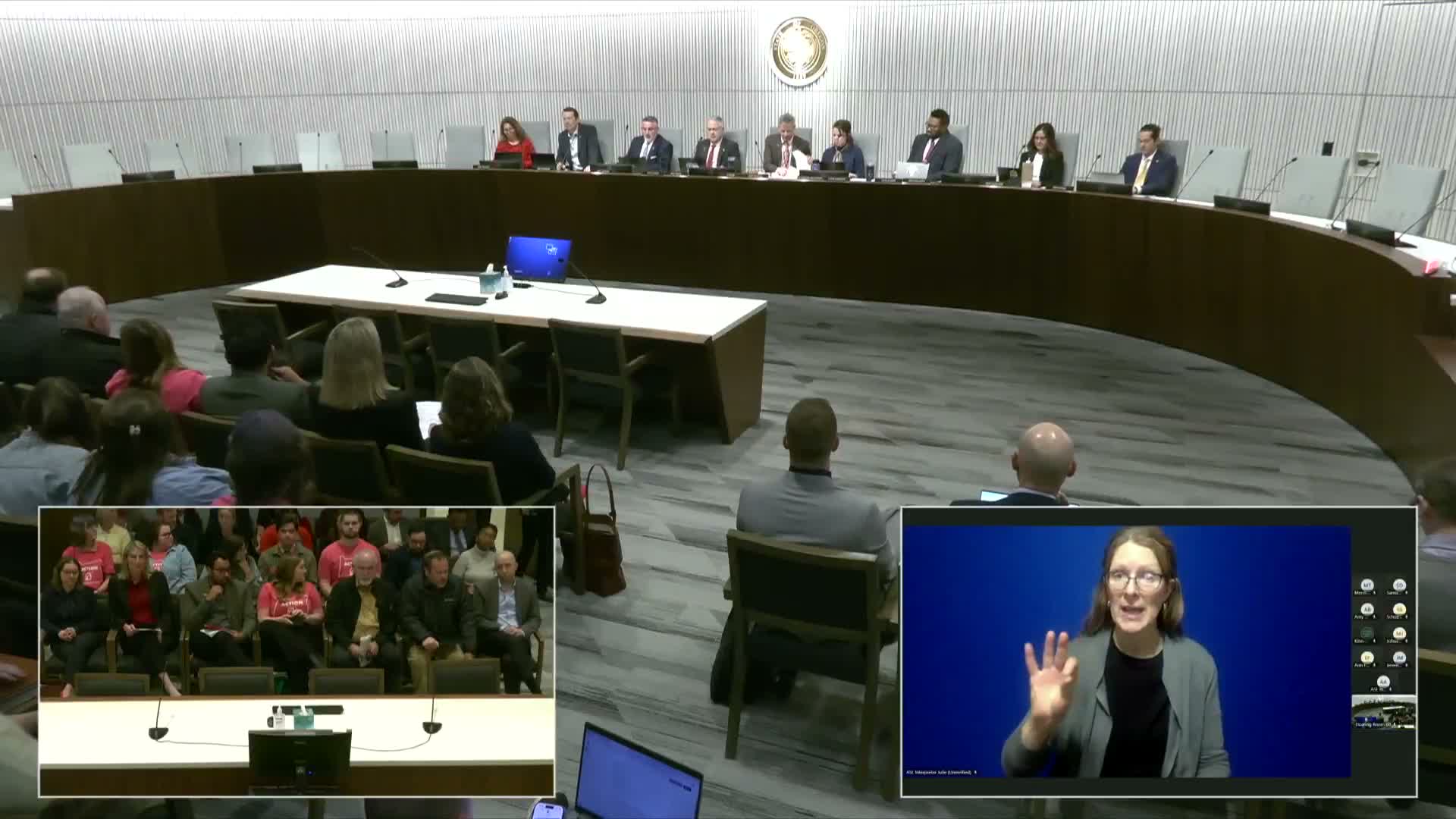
Lawmakers heard competing testimony Feb. 3 on HB 4,127, which would require OHA to adopt a state fee‑for‑service payment mechanism and a contingency grant program so Planned Parenthood affiliates can continue reimbursed care for OHP patients after federal changes cut Medicaid reimbursements. Supporters warned of lost access; opponents cited accreditation, billing and moral objections.
Representative Ben Bowman introduced House Bill 4,127 to the House Committee on Healthcare, saying the bill responds to HR1 federal changes that effectively cut Planned Parenthood affiliates off from Medicaid reimbursements beginning July 4, 2025. Bowman framed the measure as two core components: a state fee‑for‑service payment mechanism to reimburse Planned Parenthood for services to Medicaid recipients and a contingency grant to maintain services if federal rules later prohibit enrollment.
Sarah Kennedy, president and CEO of Planned Parenthood Columbia Willamette, said the federal action abruptly blocked Medicaid reimbursement and that about 90% of Planned Parenthood’s services are preventive, non‑abortion care. Amy Handler, president and CEO of Planned Parenthood of Southwestern Oregon, said Planned Parenthood health centers deliver nearly 100,000 visits annually in Oregon, serve more than 66,000 people and provide substantial numbers of STI tests, cancer screenings and contraceptive services. Witnesses said affiliates covered roughly $16.7 million in Medicaid reimbursements in 2024 and that affiliates have raised about 25% of operating budgets through donations; they urged the committee to ensure continuity of care and to put payment mechanisms in statute.
Supporters including Representative April Dobson, Basic Rights Oregon, family‑advocacy groups and patients offered personal testimony about access to care, contraception, and gender‑affirming services, stressing that alternative providers could not absorb the volume or geographic distribution of Planned Parenthood patients.
Opponents — including former employees and providers, pregnancy‑center representatives, and conservative advocacy groups — raised concerns about alleged internal practices, billing, accreditation (several witnesses questioned whether Planned Parenthood clinics hold certain ambulatory accreditation), the appropriate use of state dollars, and whether alternate community clinics could provide the same services. Myra Rodriguez, who said she is a former Planned Parenthood director, alleged internal billing practices and testified she left the organization and now works with a ministry of former staff.
Committee members asked for budget estimates and mechanics: witnesses replied that the state would budget these providers similar to other Medicaid providers, referencing the 2024 reimbursement figure; witnesses also said donor support historically closes part of the gap but cannot replace Medicaid reimbursement.
Chair Noss closed the public hearing on HB 4,127 after a lengthy pro‑and‑con record; the bill will proceed through the committee process with additional consideration and potential amendments.