Get AI Briefings, Transcripts & Alerts on Local & National Government Meetings — Forever.
Bill to require non‑electronic alternatives to tenant portals draws broad support, operational concerns
Loading...
Summary
Senate Bill 15 23 would require landlords to offer alternatives to online portals for applications, payments and access to common areas. Tenant advocates, senior‑serving nonprofits and many affordable‑housing providers supported the measure, while some housing provider groups urged further discussion about operational impacts of mandated paper processes.
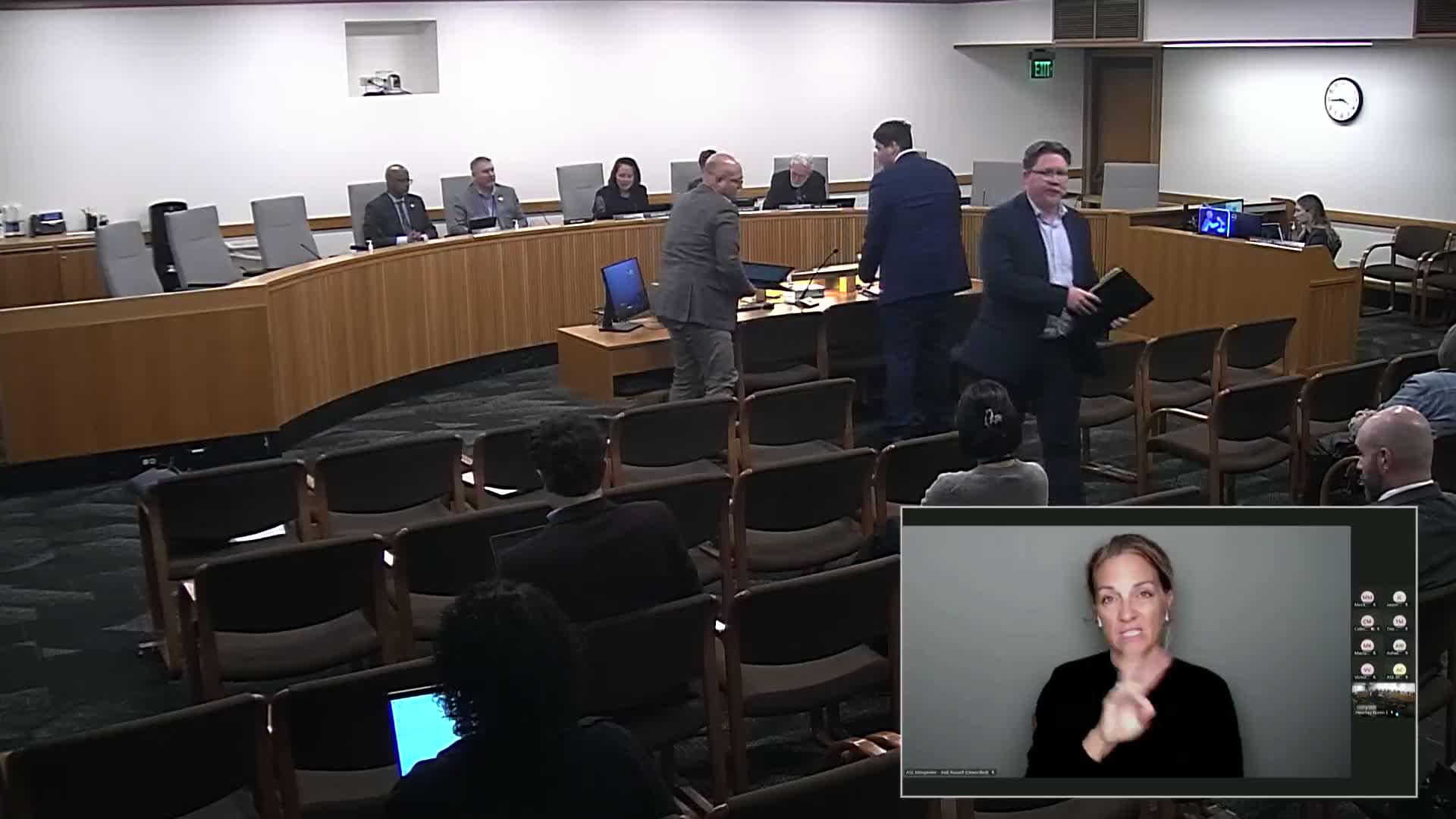
The Senate Committee on Housing and Development heard testimony Feb. 3 on Senate Bill 15 23, which would require residential landlords to provide tenants and prospective tenants with non‑electronic alternatives for essential tenancy tasks such as submitting applications, paying rent and accessing common facilities.
Cybil Hebb of the Oregon Law Center, a lead proponent, told the committee the bill is meant to "bridge the digital divide for tenants and to remove barriers to housing," noting that many low‑income renters, seniors and people with disabilities lack reliable devices or broadband. Hebb said the bill does not ban portals but would require printable applications, non‑portal repair communications and commercially reasonable alternatives to portal payments such as checks or money orders.
Advocates offered multiple anecdotes of portal failures that resulted in late fees or eviction filings. Jason Colthurst of Northwest Pilot Project and Judy Annan, a tenant and Oregon State Tenants Association board member, described cases where clients were locked out of portals or told landlords would not accept checks. "They rejected that as against the rules for accepting payment," Annan said of one management company that moved to portal‑only payments.
Housing providers and industry groups expressed support for the bill's equity goals but raised operational concerns. Jonathan Clay of Multifamily Northwest said his members are committed to fair housing and accommodating tenants' needs, but warned that the bill's detailed application provisions (section 2) risk creating a two‑tiered system and shifting large processing burdens to providers or advocates. Clay said reasonable‑accommodation processes under the Fair Housing Act already require paper accommodations in many cases and urged additional stakeholder conversations.
Committee members asked practical questions about whether landlords would have to provide mailing addresses or PO boxes and how first‑come, first‑serve policies would interact with paper applications. Witnesses said the bill allows multiple options: posting an application online, sending a printable version or providing a printable copy that can be returned to the provider at an address they designate, and noted that some local landlords comply using simple low‑tech measures (for example, date stamps).
No committee vote occurred on SB 15 23. Chair Pham closed the public hearing and invited continued written comments to OLIS and the committee office.