Get Full Government Meeting Transcripts, Videos, & Alerts Forever!
Get email alerts on the Medicaid Rate Setting topic
No spam. Unsubscribe anytime.
House healthcare committee hears bill to boost transparency in Medicaid CCO rate-setting
Summary
On Feb. 3, 2026 the Oregon House Committee on Healthcare opened a public hearing on HB 4,039, a committee bill that would require the Oregon Health Authority to increase transparency and data reconciliation in how it and coordinated care organizations set Medicaid payment rates. Supporters said the changes would reduce sudden financial 'cliffs' for CCOs and stabilise provider access; one provider warned the bill may not go far enough.
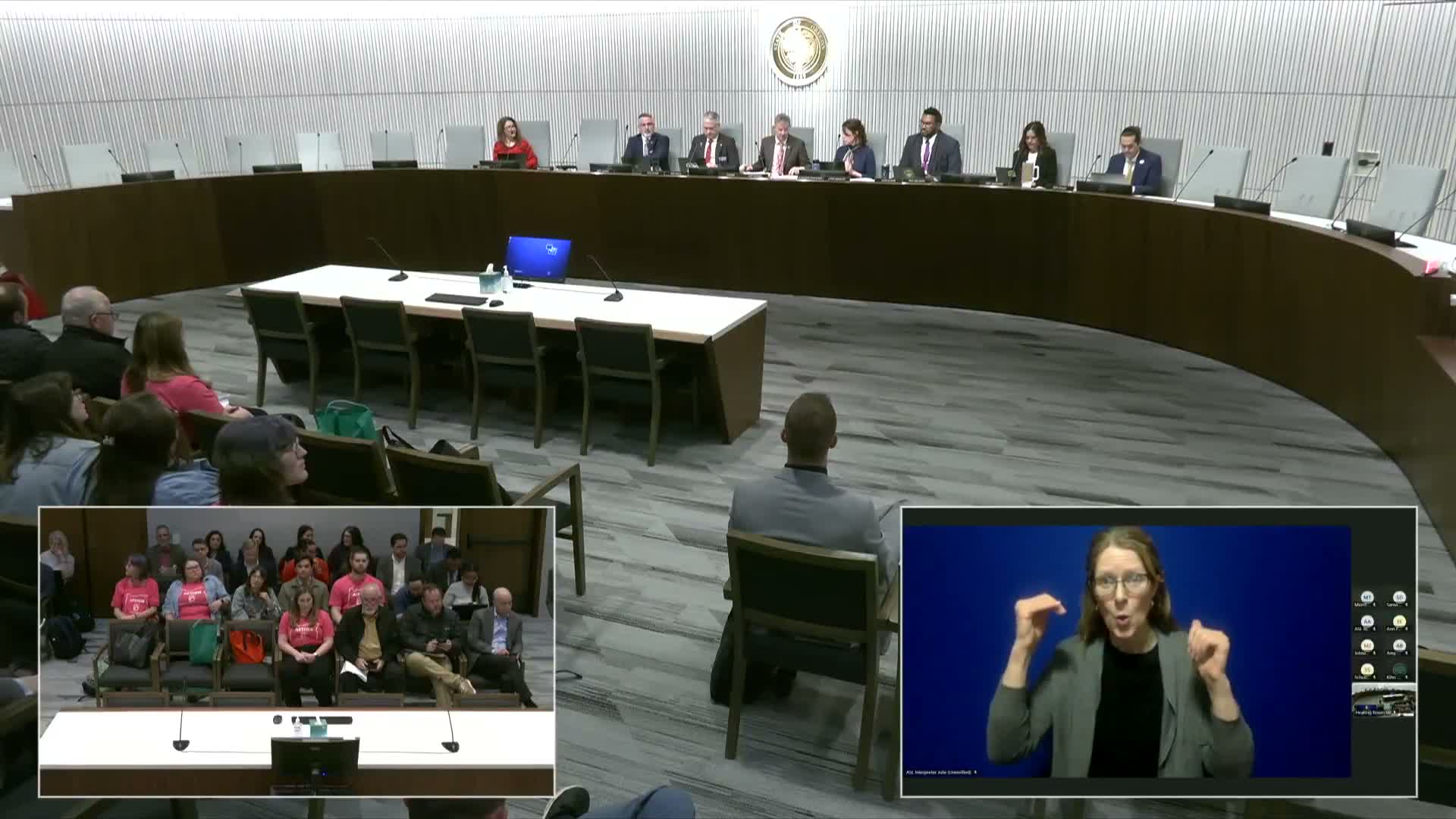
The House Committee on Healthcare opened a public hearing Feb. 3 on House Bill 4,039, a committee bill directing the Oregon Health Authority to change how payment rates for coordinated care organizations (CCOs) are developed and disclosed. Chair Noss called the measure up after the committee adopted its rules for the session.
Panel witnesses representing CCOs, dental and behavioral health contractors and the Oregon Health Authority described the bill and an available dash‑1 amendment. Jeremiah Rigsby, chief legal and public affairs officer at CareOregon, told the committee that rate setting has been “really complicated” and cited past disruptions when utilization trends and agency/actuarial work did not align. He said HB 4,039 would add transparency and third‑party evaluation to avoid large unexpected losses to CCOs.
Rick Blackwell, director of government relations for PacificSource, summarized the bill’s core elements: requirements to reconcile utilization data between OHA and CCOs; disclosure of estimated cost impacts for new contract requirements (limited in the dash‑1 to material cost impacts); enhanced transparency around actuarial modeling; a 90‑day notice requirement for discretionary changes to fee‑for‑service schedules (with exceptions for nondiscretionary, state or federal‑driven changes); and an enhanced fiscal impact statement modeled on housing cost impact work.
Molly Johnson, vice president of operations at Advantage Dental Services, urged the committee to address unstable dental reimbursement that she said is driving providers away from the Oregon Health Plan. Anne Ford, president of EOCCO and CEO of GOBI, and Anthony Montoya (Health Share) described risks to behavioral health and rural providers when Medicaid rates do not reflect true cost drivers such as workforce shortages and 24/7 crisis availability.
Philip Schmidt of the Oregon Health Authority acknowledged the difficulty of the 2026 rate‑setting cycle and said OHA appreciates collaboration with CCOs; he committed to continued work to improve timelines and transparency.
An opposition witness, Robert Lyden (CEO, Stronger Oregon), said his outpatient mental‑health organization anticipated about $2,000,000 less in revenue because of recent payment changes and cautioned that the current CCO model can produce fiscal cliffs for providers and CCOs alike. Lyden urged the committee to consider parity enforcement and broader redesign if necessary.
Chair Noss closed the public hearing on HB 4,039 after testimony and took no on‑the‑record vote on the bill that day. The committee did not adopt substantive changes at the hearing; follow‑up and work‑session scheduling were referenced aloud by the chair.