Lifetime Citizen Portal Access — AI Briefings, Alerts & Unlimited Follows
Oregon committee weighs bill to speed behavioral‑health credentialing and broaden supervision options
Loading...
Summary
Lawmakers and stakeholders debated House Bill 4,083, which would centralize credentialing processes and allow cross‑license clinical supervision to reduce delays that keep providers from billing and serving patients; supporters said it eases workforce shortages, opponents warned it could dilute social‑work supervision and shift accountability to state agencies.
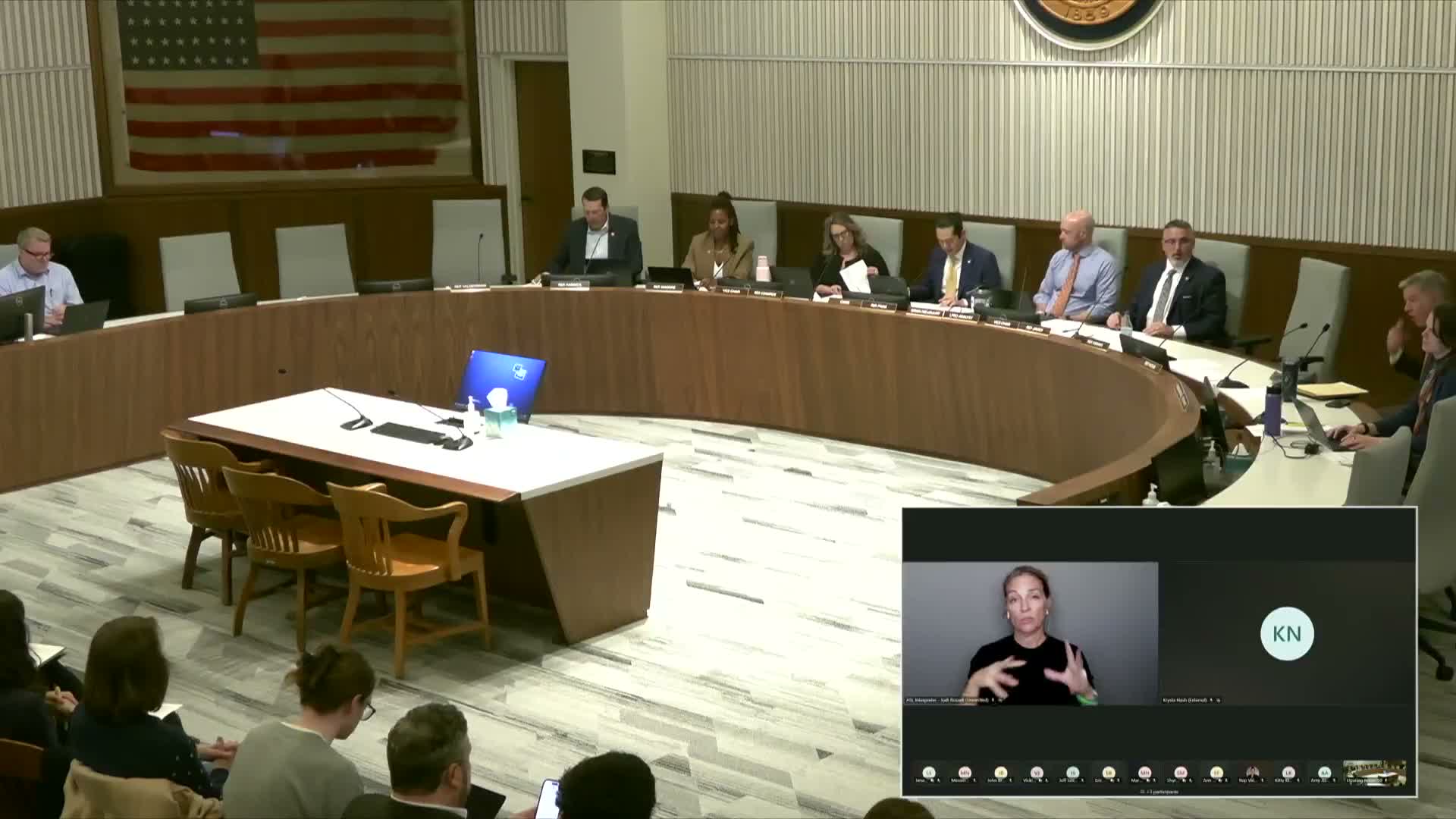
Salem — Lawmakers on the House Committee on Behavioral Health spent the Feb. 3 public hearing weighing House Bill 4,083, a proposal that would streamline credentialing for behavioral‑health providers and expand cross‑license clinical supervision to speed workforce entry.
First Lady Amy Kochek Wilson, who chairs the governor’s Behavioral Health Talent Council, testified the bill reflects council recommendations and is meant to "cut the red tape for behavioral health workers" so qualified clinicians can start serving patients sooner. Casey Liddell, senior behavioral‑health policy adviser to Governor Tina Kotak, told the committee dash‑1 amendments posted before the hearing change the bill’s language so the Oregon Health Authority (OHA) would select an existing credentialing system rather than build a new portal, and clarified supervision rules, including that "doctorate‑level supervisors may supervise master's‑level licensees, but not vice versa." Liddell also said the proposal to move the Board of Licensed Social Workers under the mental‑health regulatory agency was removed after social‑worker feedback.
OHA Behavioral Health Director Ebony Clark said the agency supports reducing administrative burden that shifts staff time away from direct care. Providers who testified described long onboarding delays and expensive external supervision. Eli Kinsley, operations director at Bridgeway Community Health, estimated credentialing can take "ideally 90 days" but said it is "going as high as five months" because applicants must navigate separate state and coordinated‑care‑organization (CCO) processes.
Supporters — from mobile crisis teams to youth and recovery providers — said uniform credentialing and broader supervision would shorten onboarding timelines, reduce duplicative paperwork and improve access to care in rural and under‑resourced communities. Lisa Henson, an on‑site supervisor, said having a supervisor who "knows each of her clients by name" improves training and client outcomes.
Opponents raised public‑safety and oversight concerns. Robert Lyden, CEO of Stronger Oregon, warned that shifting credentialing responsibilities to the state could create a costly new division and argued OHA and the DMAP process already miss internal deadlines: "You're about to create a whole new division which will cost OHA money," he said. Several licensed social workers including Kitty Cloud, Sonia Via and John Bradley urged preserving discipline‑specific supervision standards and asked for guardrails such as documented competency equivalency, board approval or required co‑supervision with LCSWs. Bradley suggested alternatives such as the Social Work Licensure Compact to expand practice without diluting professional standards.
Committee staff and sponsors said the bill leaves rule‑making authority to licensing boards so boards will determine the details of who may supervise and how, and that additional safeguards and implementation timelines will be part of that process. No committee vote was recorded at the hearing; the measure remains in the public‑hearing stage.