Lifetime Citizen Portal Access — AI Briefings, Alerts & Unlimited Follows
Salmon credit pilot proposed to pay landowners for habitat restoration; conservationists warn of offset risks and startup costs
Loading...
Summary
SB 1584 would create a Salmon Credit Pilot Program to incentivize private landowner restoration and mitigation in the Coos and Coquille watersheds. Tribal partners and landowners supported incentives and payment models; conservation groups expressed concerns about distant offsets, alignment with removal‑fill rules and significant general‑fund startup costs.
Senator David Brock Smith said SB 1584 would establish a salmon conservation credit program that encourages private landowners to convert marginal land into salmon habitat and allows developers to purchase credits to offset project impacts in targeted watersheds. Proponents described a model in which part of mitigation payments fund long‑term stewardship and provide landowner dividends.
John Hogan, executive director for the natural resources office of the Coquille Indian Tribe, supported the bill as a tool to expand habitat protection and restoration, noting Chinook and coho populations in the Coos and Coquille rivers are at critically low levels. Local landowners and timber interests said the program would create incentives and a revenue stream to support habitat projects that otherwise lack funding.
Environmental groups raised several concerns. Jennifer Fairbrother of the Native Fish Society and James Fraser of Trout Unlimited said the bill could permit compensatory mitigation that offsets habitat loss in one watershed with gains in another, potentially violating proximity principles embedded in existing removal‑fill regulations. They also warned the program would require substantial start‑up general‑fund investment and administrative capacity at a time when natural‑resource agencies face proposed budget cuts.
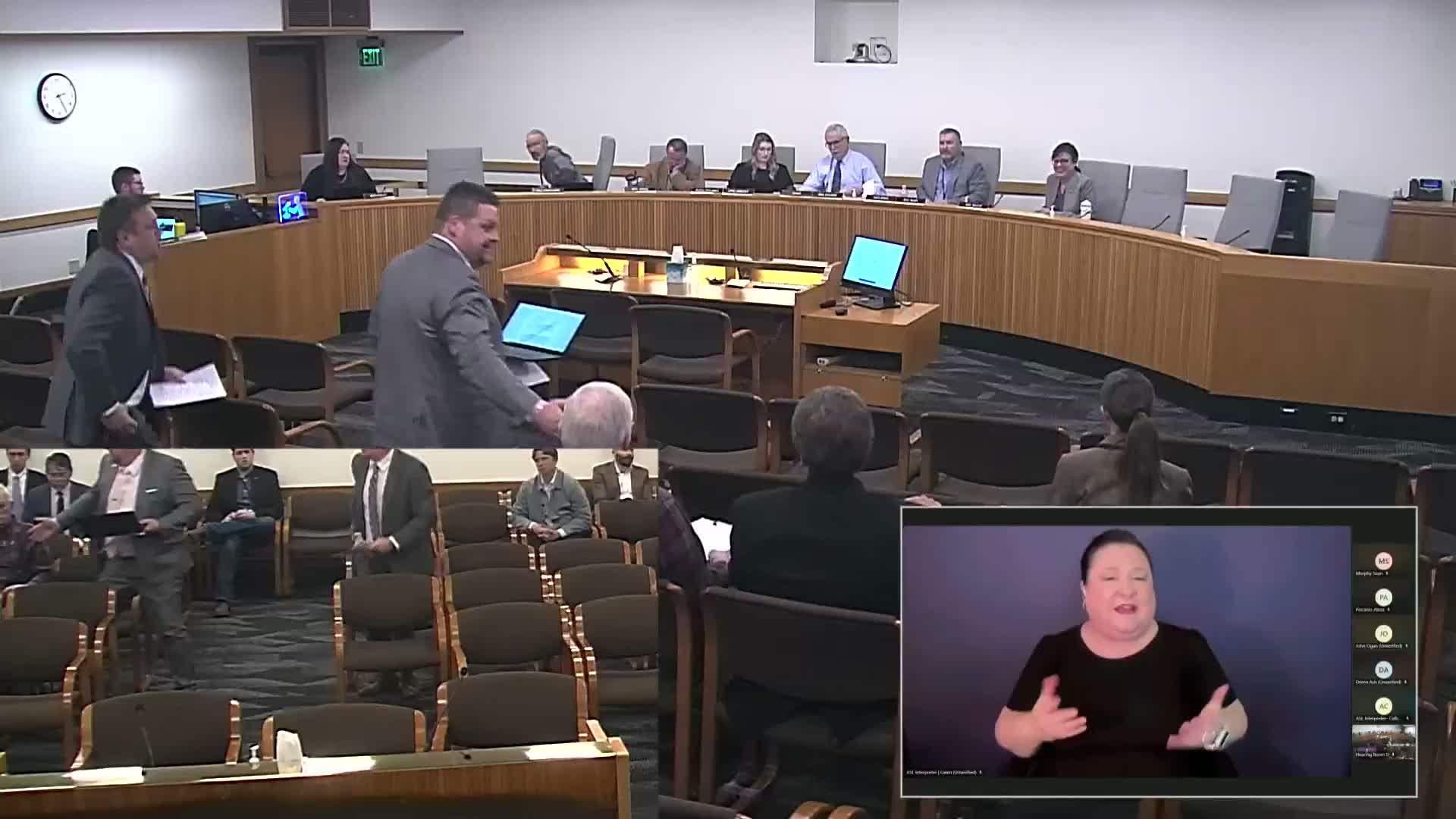
The committee limited panel time because of the short session; Chair Golden closed the hearing, invited written comments by the posted deadline, and adjourned. No action was taken that day.
Next steps: Sponsor and agencies to address outstanding concerns about proximity, alignment with existing mitigation programs and fiscal needs; committee requested written feedback.