Get email alerts on the Sb 1551 Home Hardening topic
No spam. Unsubscribe anytime.
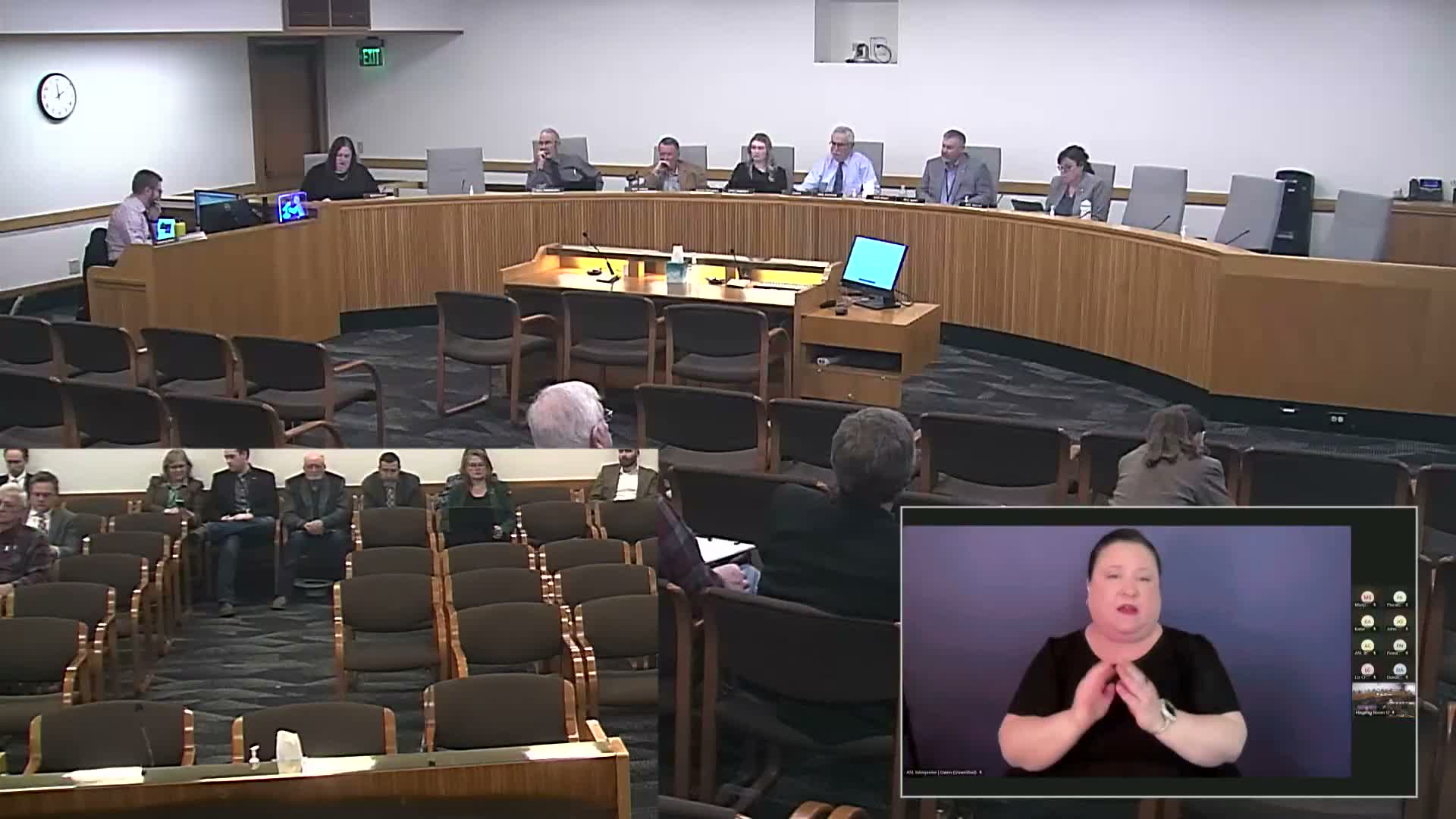
Bill to let homeowners install fire‑hardened materials despite HOA rules draws broad support and technical concerns
Summary
SB 1551 would void HOA provisions that block homeowners from installing or maintaining fire‑hardened materials (with a 10% cost cap on alternatives and a 60‑day HOA response requirement). Sponsors and wildfire‑resilience advocates support the measure; HOA managers and legal counsel praised the goal but urged clarifying amendments on cost caps, replacement versus removal language and shared‑fence disputes.
Senator Sarah Gelster Bleuen told the committee SB 1551 arose from constituent concerns in wildland‑urban interface neighborhoods where wooden fences and other non‑fire‑hardened elements increase wildfire risk. "The only thing that this bill does is make sure that no matter what house you live in, you can voluntarily make smart choices about building materials that are authorized in existing codes," she said.
The bill invalidates recorded covenants, conditions and restrictions to the extent they prohibit installation, use or maintenance of fire‑hardened materials, and deems applications approved unless an association provides a written denial or modification request within 60 days. The statute as drafted includes a cap that any required fire‑hardened alternative cannot cost more than 10% above comparable alternatives.
Supporters included Mary Kyle McCurdy of 1000 Friends of Oregon, who said home hardening is cost‑effective for reducing ember ignition and neighborhood spread. Community Association Institute representatives and legal counsel said they generally support the bill’s goals but asked for clearer language on whether removal implies replacement, how the 10% cap is calculated and how shared‑fence and common‑area disputes would be handled. Senator Gelster Bleuen and other members agreed to explore clarifying amendments and did not work the bill on the spot.
Next steps: The sponsor will consider targeted amendments to address concerns about the 10% cap, replacement language and shared‑fence cost‑sharing; the committee closed the hearing and invited written comment.
AI generated
The text on this page is AI generated. Summaries, highlights, analysis, and video transcripts are all produced from the original source material.
AI can make mistakes, so if you spot one, and we will fix it for everyone.
Note: the source content is unaltered by us. Any content source we link to, be it a video, an audio recording, or a document, is presented exactly as its publisher released it. That publisher is usually a government body, sometimes an individual official or another organisation.