Get Full Government Meeting Transcripts, Videos, & Alerts Forever!
Get email alerts on the Sb15 81 School Meals topic
No spam. Unsubscribe anytime.
Supporters urge Senate to finish "Hunger Free Schools" work with SB 15-81 to make free meals universal
Summary
At an informational hearing on SB 15-81, sponsors and nutrition directors said expanding universal free school meals to the remaining schools would remove stigma, increase participation, eliminate unpaid meal debt and provide family savings; witnesses urged stable funding to make 100% reimbursement permanent. No committee vote was taken.
Senate Bill 15-81, introduced Feb. 3 with a Dash-1 amendment, would expand free school meals to every public school in Oregon and set reimbursement rates so schools receive full funding for meals.
Senator Courtney Nieron Mislan, sponsor of the bill, said the measure closes remaining gaps in Oregon’s hunger-free schools work and removes a Dash provision that would have required additional ODE FTE. She and supporting witnesses described the policy as building on prior reforms (Student Success Act, Hunger Free Schools account) and cited research and district experience showing that universal meals reduce stigma and improve attendance, focus and family finances.
Representative Emerson Levy and Representative Hai Pham gave personal testimony about how universal school meals shape childhood experience and reduce shame. James Ivory Manning Jr. said he would cosponsor the measure. District nutrition leaders, including Jordan Haas (Humberberg County), Gia Saporito (Sherwood), Gary Bennett (Sherwood CFO), Lindsey Flores (West Linn-Wilsonville) and Alexis Bylander (Food Research & Action Center) described operational experience: community eligibility and temporary quarterly supplements increased reimbursement to 100% in some districts but left programs fragile; participation rose substantially after CEP adoption (example: a 53% jump in participation at a qualifying elementary), unpaid meal debt burdens districts (example: Sherwood reported nearly $58,000 in meal debt and annual write-offs) and permanent 100% reimbursement would enable long-term planning and higher-quality meals.
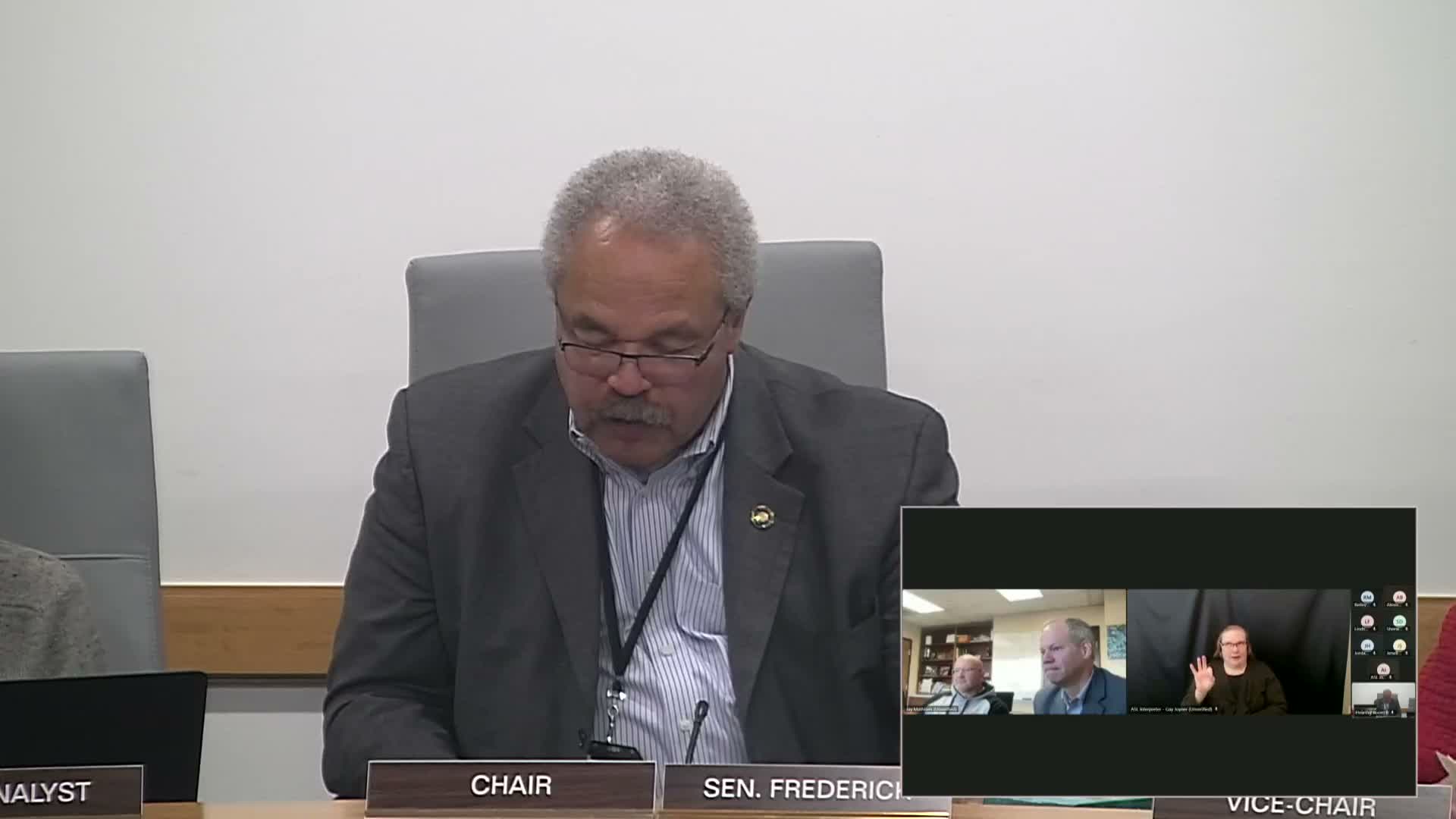
Witnesses asked the committee to identify a sustainable funding source and to coordinate SB 15-81 with related budget and QEM (quantum of education money) studies. Chair Frederick closed the informational hearing and scheduled a formal public hearing for Thursday; the committee did not vote on SB 15-81 at the Feb. 3 session.