Get Full Government Meeting Transcripts, Videos, & Alerts Forever!
Get email alerts on the School Immigration Enforcement topic
No spam. Unsubscribe anytime.
Informational hearing on SB 15-38 spotlights student fear, urges school-specific guidance for immigration enforcement
Summary
Witnesses at an informational hearing for Senate Bill 15-38 told the Senate Committee on Education that immigration enforcement activity near schools is causing student fear, attendance declines and staff burdens; testimony urged adapting Oregon DOJ model policies for school operations and funding training and employee protections. The committee took no vote.
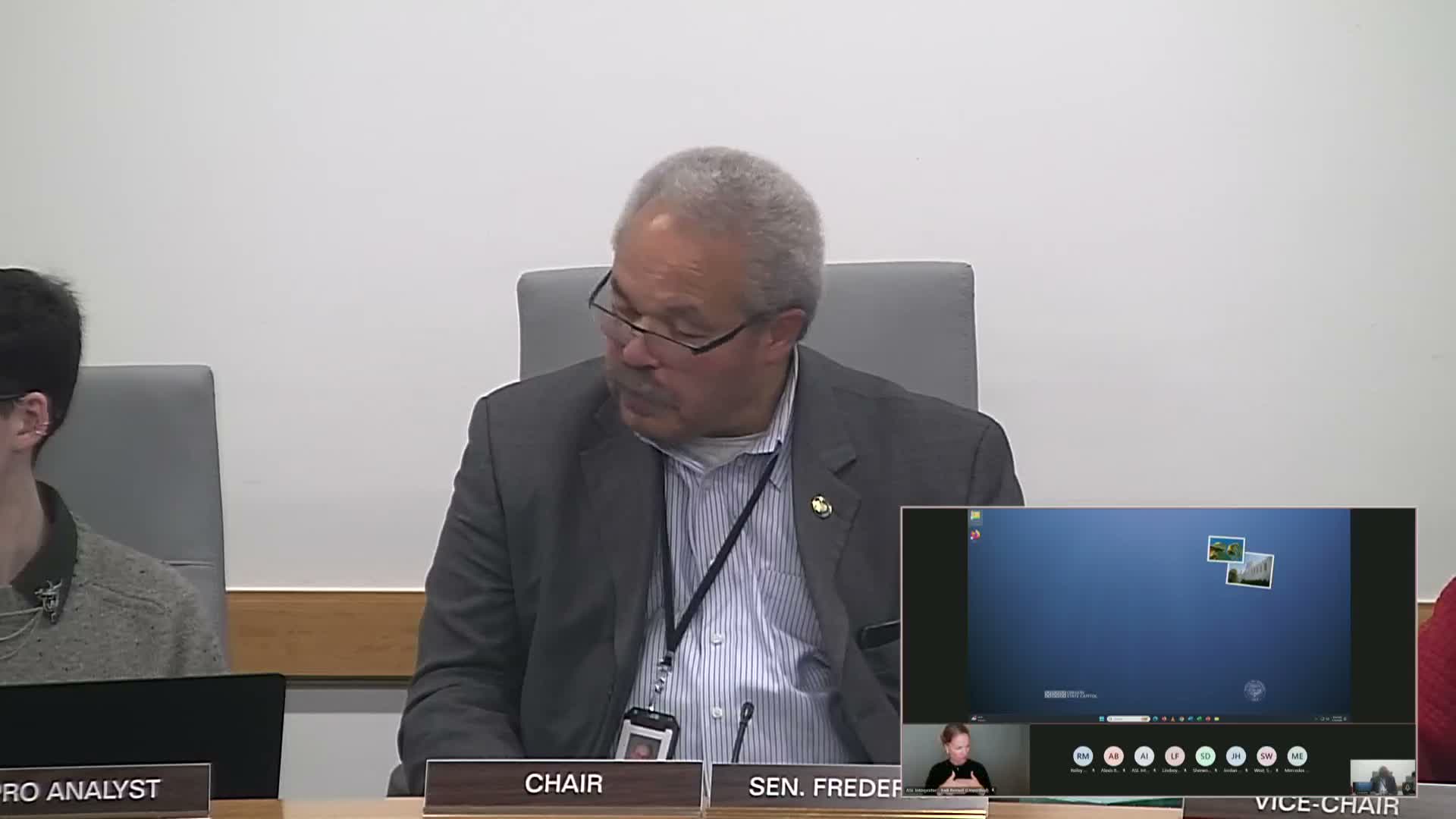
Senate Committee on Education Chair Frederick opened an informational hearing Feb. 3 on Senate Bill 15-38, which would direct the attorney general to develop school-specific model policies addressing interactions between schools and immigration enforcement.
Jessica Ventura, director of the Office of Immigrant Refugee Advancement, told the committee her office has not taken a position on the bill but has heard consistent concerns from families and districts about whether schools must share information with immigration authorities, how warrants are verified, and how enrollment and privacy are protected. Ventura said districts lack school-specific procedures and would benefit from consistent statewide guidance while emphasizing her office’s consultative role with the attorney general.
Maya Benedet, student body president at Forest Grove High School, described pervasive fear among students about the possibility of enforcement near campuses and said that anxiety is hurting participation, focus and students’ sense of safety. Forest Grove superintendent Dr. Suzanne West said the district is seeing attendance declines and withdrawals, increased student anxiety and added costs as staff and volunteers run safety watches and deliver basic needs to affected families.
Mercedes Elizalde of Latino Network urged the committee to adapt existing Oregon Department of Justice model policies—created under the Sanctuary Promise Act—for schools, invest in training and practice, and ensure districts receive tools that fit local facility and staffing realities. Enrique Ferrera, president of the Oregon Education Association, said OEA supports the bill’s nondiscrimination and training requirements but asked the committee to include explicit protections for employees who may be expected to interact with law enforcement in the course of their duties.
Committee members pressed witnesses on whether the bill is sufficiently substantive rather than symbolic, whether it duplicates existing guidance, and what the fiscal impacts on districts would be. Chair Frederick said amendments are expected to limit fiscal burden and rely on AG-developed model policies as the central mechanism for school procedures. The hearing was informational; no committee vote was taken.
The committee will continue work on amendments and invited clarifying information on training design, implementation costs and how the attorney general will coordinate with districts. A public hearing and additional briefings were referenced by the chair as next steps.