Get Full Government Meeting Transcripts, Videos, & Alerts Forever!
Get email alerts on the Health Care Transparency topic
No spam. Unsubscribe anytime.
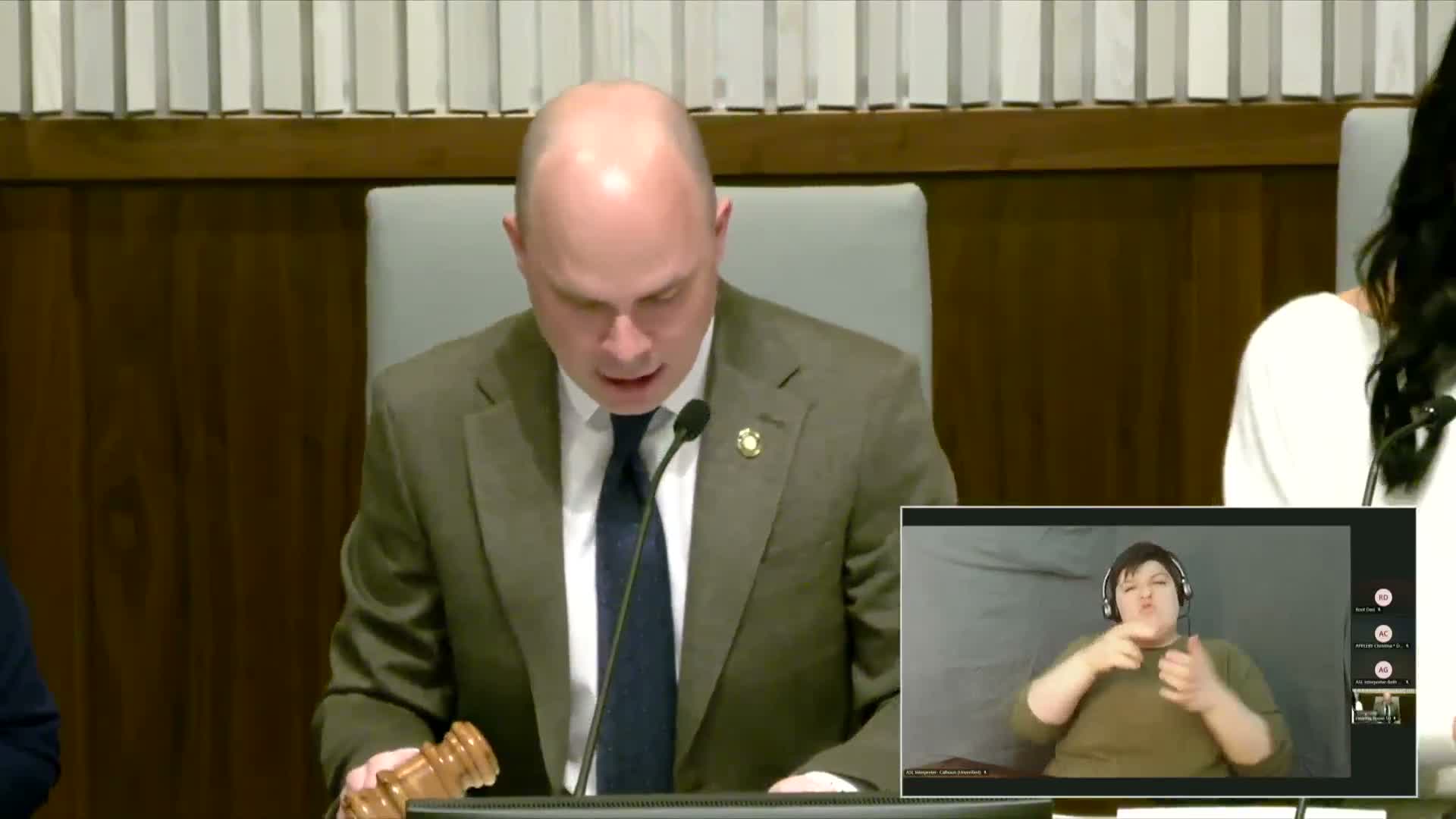
Panel and lawmakers debate employer Medicaid transparency bill as sponsors stress data-only intent
Summary
Supporters told the House Committee on Rules that House Bill 4147 would give legislators an aggregated, privacy-protected report tying Medicaid enrollment and costs to employers; business groups called it a potential 'shame list' and warned it could set the stage for employer assessments.
Representative Jules Walters, sponsor of House Bill 4147 and House District 37 lawmaker, urged the committee to support the Oregon Employer Medicaid Transparency Act, saying the bill "gives the legislature information that we do not currently have, but clearly need." Walters testified the measure would direct the Oregon Health Authority to publish an annual, aggregate report showing employer name, industry, number of employees, number of covered workers and dependents, and the associated cost to the Medicaid program, and that the report would be compiled from existing agency data while protecting individual privacy under HIPAA and state confidentiality laws.
Representative Ben Bowman (House District 25), a sponsor, framed the bill as an informational tool to help lawmakers weigh the difficult budget choices prompted by federal changes under H.R. 1. "This bill is about being honest about trade‑offs and ensuring we as policy makers have access to the information we need to make informed decisions about the future of our system," Bowman said, adding the data are already collected by state agencies but are not currently linked for legislative use.
Labor and union representatives backed the proposal. Matt Swanson of SEIU Local 49/503 told the committee that H.R. 1 could reduce federal Medicaid funding by billions and that the bill would help the state prepare. "What 4147 does is report on how many Medicaid recipients are workers of a given employer, how many are dependents and the public cost for covering them," Swanson said, adding that the measure is intended to be non‑intrusive and based on interagency data matches.
Katie Tyson of the Oregon AFL‑CIO said transparency matters to ensure employers who provide coverage are not undercut by competitors who shift costs to taxpayers. Madison Walters of UFCW Local 555 cautioned that loss of coverage would strain rural hospitals and urged the committee to preserve coverage as the legislature considers funding decisions.
Opponents argued the bill could become a tool to shame employers or justify employer fees. Amanda Dalton, president of the Northwest Grocery Retail Association, said lawmakers "learned about it for the first time last week" and described the proposed report as "often referred to as a shame list meant to pressure private employers on health care coverage" and warned the 2019 proposal in prior sessions would have imposed roughly $500 million in new assessed fees. Dalton also urged clearer definitions—she said the definition of "employee" in the draft could capture independent contractors and seasonal workers and asked how the report would account for workers who move between employers during the year.
Committee members pressed sponsors on the bill’s intended use. Representative Scarlato asked whether the point of the data collection was to cut people from benefits and force employers to pick up costs; sponsors replied the bill is designed to present aggregate, firm‑level cost information to inform policymaking, not to mandate employer coverage. The bill’s dash‑1 amendment prompted confusion in the hearing about whether public employers would be included; staff later clarified that the amendment as posted retains the 50‑employee threshold and deletes language excluding public employers, and the committee noted it would confirm the amendment text before future action.
The committee closed the public hearing on HB 4147 after extended testimony and questioning. No committee vote on the bill was taken during the session; sponsors and opponents agreed the measure is intended to be informational but disagreed on downstream risks and data scope.
The committee is expected to follow up to confirm amendment text and any requested cost or technical analyses from agencies before the bill returns for further action.