Get Full Government Meeting Transcripts, Videos, & Alerts Forever!
Get email alerts on the Childcare topic
No spam. Unsubscribe anytime.
Bill to streamline childcare referrals, align background checks gets broad support; agencies to report recommendations
Summary
HB 4,057 would require standardized referral information so families learn about all publicly funded early-learning options and direct agencies to review duplicative background checks; advocates warned ERDC faces a $73–$88 million shortfall and urged protecting existing program funding.
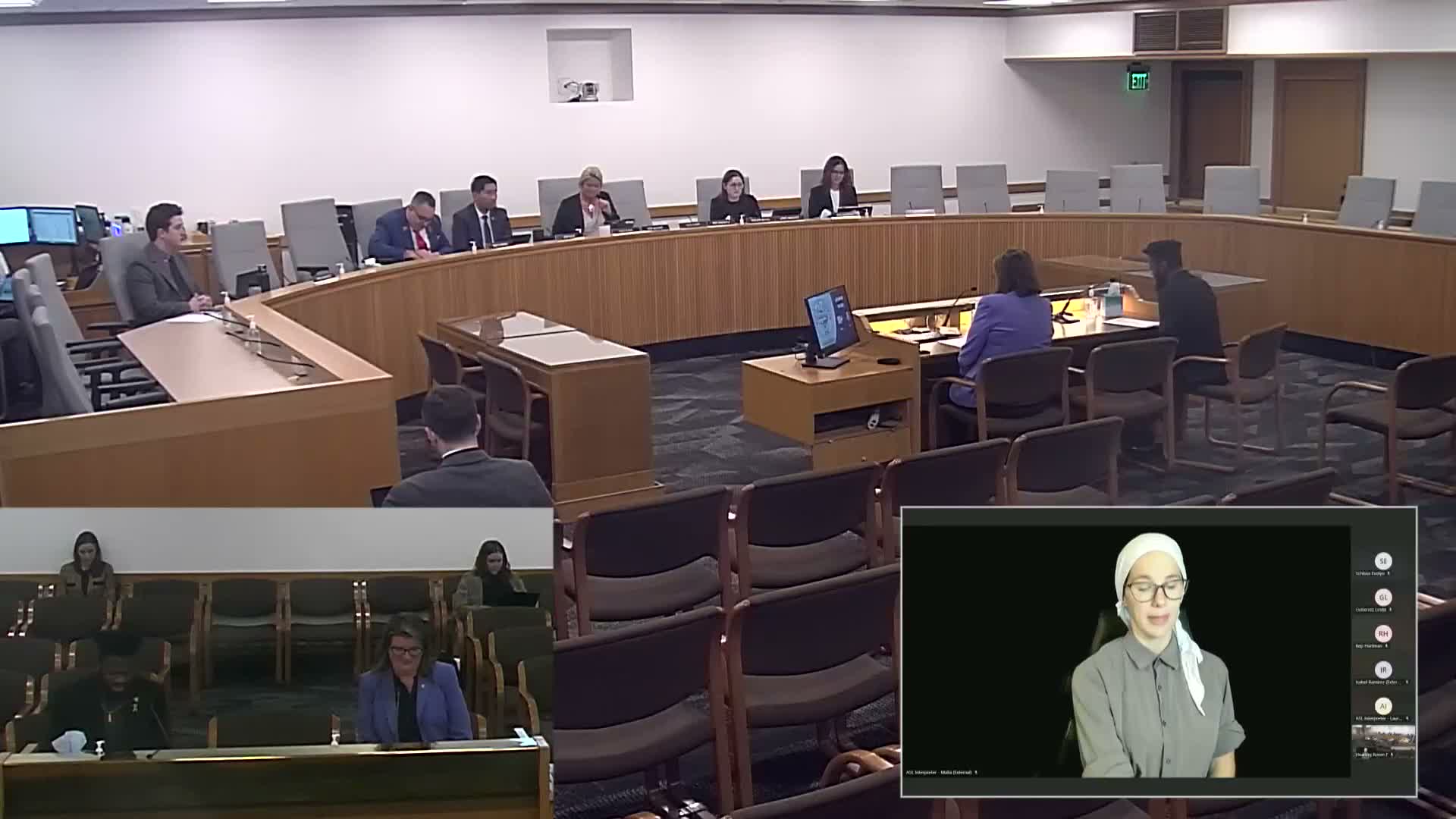
Lawmakers and advocates told the House Committee on Early Childhood and Human Services on Feb. 3 that House Bill 4,057 would make it easier for families to find existing early-learning slots and reduce duplicative background-check burdens on educators.
Rep. Lamar Wise said the bill focuses on two components: stabilizing referral information to ensure families are told about publicly funded programs (Preschool Promise, Head Start, Baby Promise and others) before they are routed to 211 or placed on ERDC wait lists, and directing the Oregon Department of Education, the Department of Early Learning and Care (DELC) and the Teachers Standards and Practices Commission (TSPC) to review background-check requirements to determine whether federally required Child Care and Development Fund (CCDF) checks can be accepted across systems. The bill sets a target for agency recommendations by Jan. 2, 2027.
Advocates from For All Families (formerly FamilyForward), Children’s Institute and local hub directors described steep unmet need: testimony said more than 15,000 families are on the ERDC wait list, 15,900 families are enrolled in ERDC and the program faces an estimated $73 million to $88 million deficit that could exhaust funds by January (witnesses did not specify the fiscal year). Dana Hepper of the Children’s Institute supported the dash‑1 amendment to align background checks and used a "passport vs. Real ID" analogy to explain that if an educator has the more stringent federal background check, other agencies could accept it rather than require a second check.
Kate Dennison of DELC told the committee DELC does not anticipate a fiscal note for the standardized referral-information portion and advocates offered to help design outreach tools. Committee members emphasized that the bill’s intent is to streamline processes without lowering abuse-record checks, and requested that TSPC and the education committee provide input on alignment where necessary.