Get Full Government Meeting Transcripts, Videos, & Alerts Forever!
Get email alerts on the Tax Compliance topic
No spam. Unsubscribe anytime.
Department of Revenue briefs committee on proposed contractor tax-compliance certification (HB 4016)
Summary
At a public hearing on HB 4016, the Legislative Revenue Office and the Department of Revenue described a proposal requiring state contractors with contracts over $250,000 to obtain a tax-compliance certificate; Department staff said their current process handles about 10,000 checks over two years and that roughly 10–15% of entities checked are initially noncompliant.
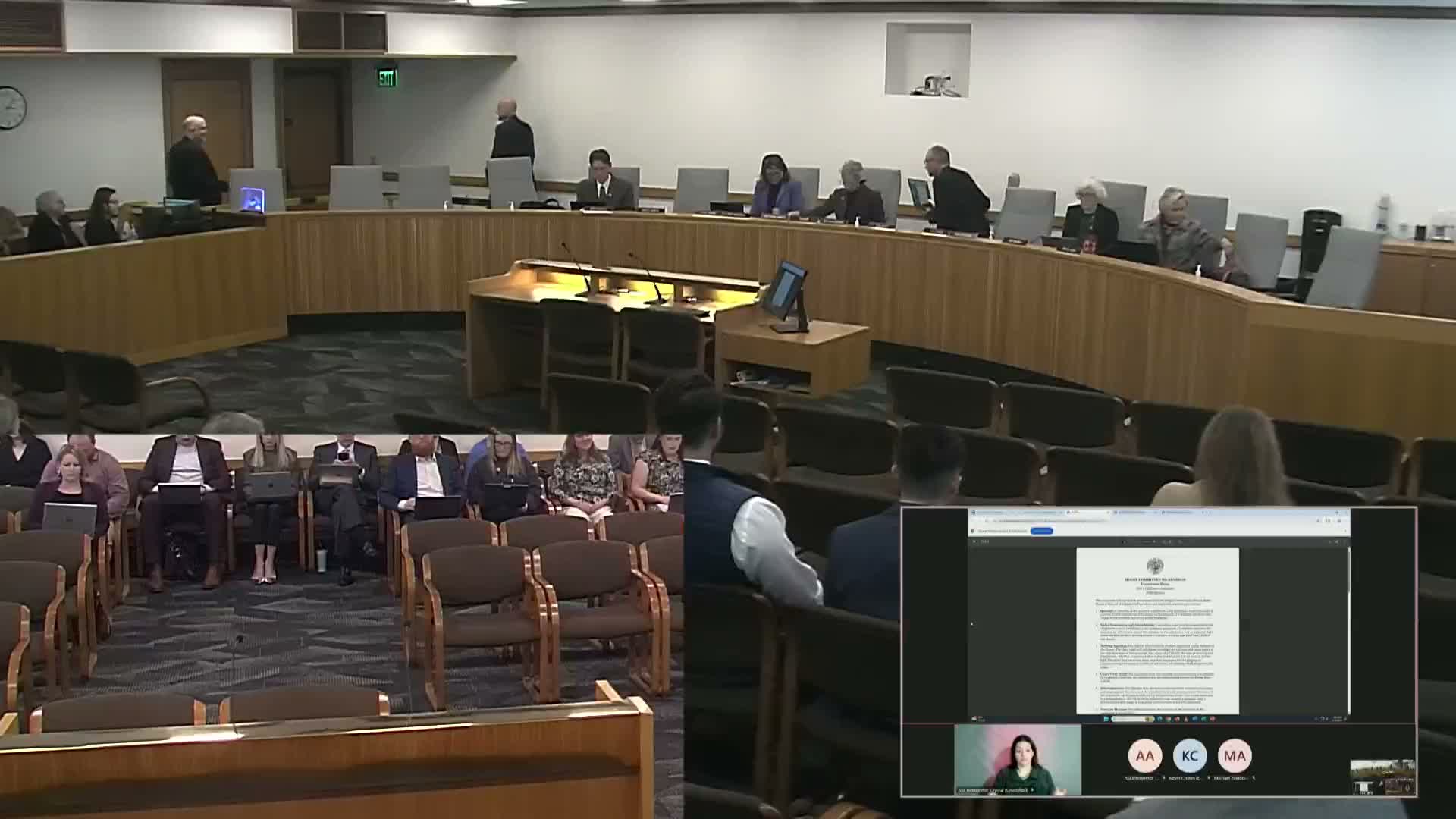
Chair Tara Nathanson opened the public hearing on House Bill 4016. LRO staff summarized the bill: HB 4016 would require businesses that contract with the state to obtain a certificate from the Department of Revenue demonstrating compliance with tax programs administered by the department for contracts valued over $250,000; the measure would take effect in 2027 and directs the Secretary of State's Corporation Division to study the business registry and report back (LRO said a report would be due in 2026). An amendment expected during the hearing was described as largely technical.
Megan Denison of the Oregon Department of Revenue provided the department's experience with tax compliance certification: the department processed roughly 10,000 tax compliance certifications over the last two years, and staff estimated HB 4016 could produce a 10— to 20% increase in certification requests. Denison said about 10% of individuals and 13— to 15% of businesses were not compliant when checked, and that roughly half of those found noncompliant come into compliance after contact from the department; noncompliance typically results from missing returns and collection issues. She offered to provide more detail on the internal process for compliance checks if requested.
Mark Landauer of the Special Districts Association of Oregon testified he was neutral because the bill's current drafting left unclear whether it would apply to local governments; he said an incoming amendment appeared intended to clarify that the bill does not apply to local governments while still covering local taxes administered by the Department of Revenue. Chair Nathanson closed the public hearing on HB 4016 with no further public testimony recorded.