Get Full Government Meeting Transcripts, Videos, & Alerts Forever!
Get email alerts on the HB4145 topic
No spam. Unsubscribe anytime.
Debate over Measure 114 fixes: committee hears critics and supporters of HB 4145 implementation changes
Summary
Jessica Menifee of Legislative Counsel outlined HB 4,145's technical fixes and timing changes to implement Measure 114; supporters emphasized suicide‑prevention and orderly implementation, while opponents raised constitutional, operational, and equity concerns including fee hikes, expanded processing time, and carve‑outs for law enforcement.
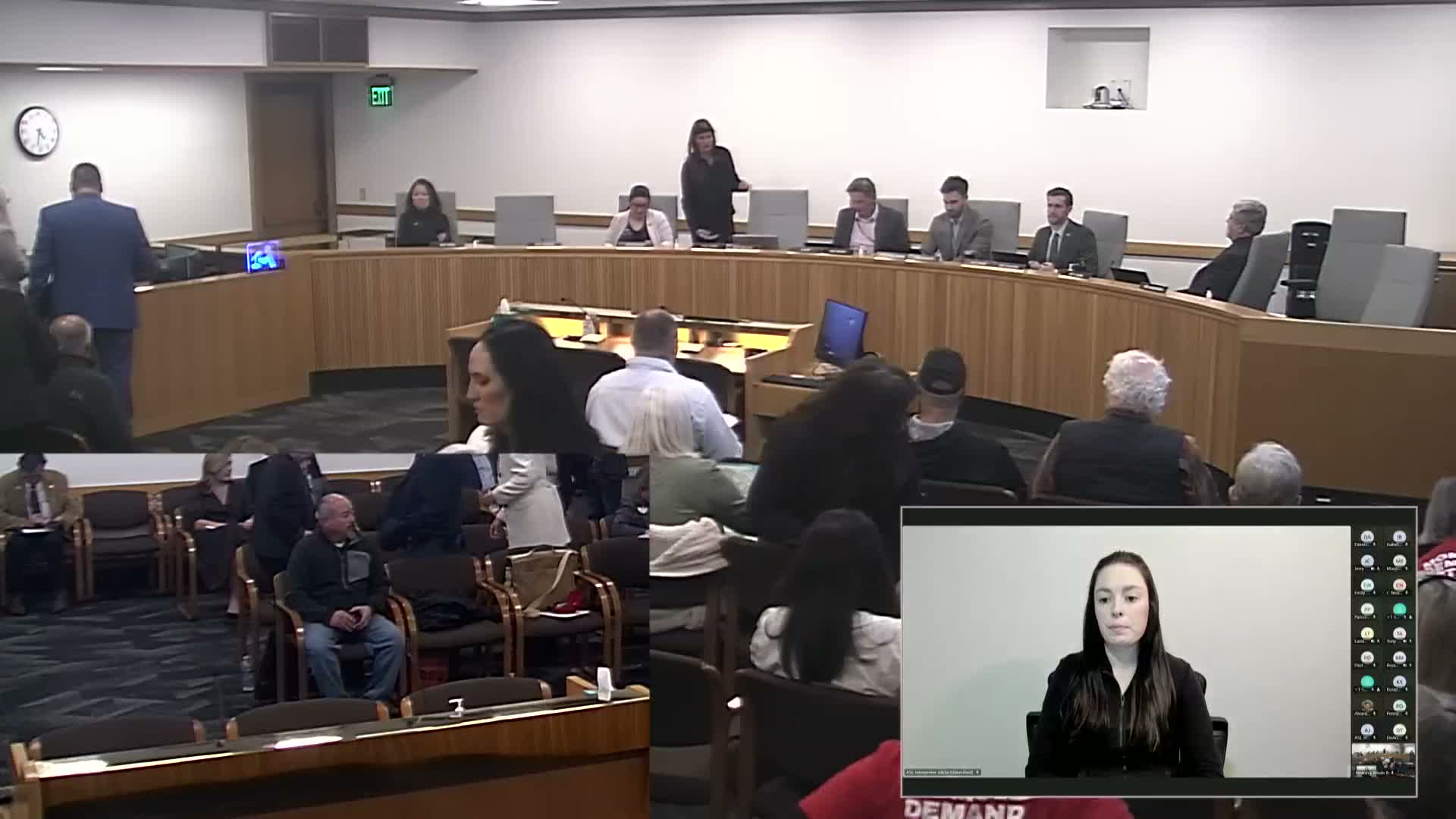
The House Judiciary Committee held a lengthy public hearing on House Bill 4,145, a package of technical fixes and implementation timing changes for Measure 114 (the 2022 permit‑to‑purchase ballot measure). Jessica Menifee from the Office of Legislative Counsel summarized the bill and the litigation context: Measure 114’s effective date is 12/08/2022, but enforcement has been enjoined, and the Oregon Supreme Court is considering the case. HB 4,145 would delay some permit requirements until 01/01/2028, extend the permit decision window from 30 to 60 days, raise permit fees, create public‑records exemptions for permit application data, and include carve‑outs and exceptions for certain law enforcement retirees and officers.
Supporters argued the bill is necessary to implement voter-approved Measure 114 in a workable way and to protect public safety. Representative Sarah Finger McDonald emphasized voters in her district approved Measure 114 and that permits are a proven violence‑prevention tool. Witnesses from Giffords and the Johns Hopkins Center for Gun Violence Solutions cited evidence that permit‑to‑purchase laws reduce firearm homicides and suicides and that modest delays and training requirements are acceptable to ensure proper administration. Survivors and suicide‑prevention advocates repeatedly emphasized the role of a ‘‘cooling off’’ period in preventing impulsive deaths.
Opponents, including representatives of the NRA, Oregon State Shooting Association, and multiple public commenters, objected to cost increases (permit fee proposed to rise from $65 to $150), the extension to 60 days, exempting law enforcement and retirees from some restrictions, and limiting venue for legal challenges to Marion County. Critics warned of creating an effective registry, imposing disproportionate burdens on rural and low‑income residents, and undermining constitutional rights; several speakers urged waiting for the Supreme Court decision or advancing changes through a stakeholder work group.
The Office of Legislative Counsel acknowledged drafting errors in Measure 114 and said HB 4,145 corrects citations, clarifies definitions, and provides specific exceptions; counsel said the bill includes an emergency clause to give agencies runway if the court lifts the injunction. Several law‑enforcement and public‑safety witnesses described operational concerns about staffing, electronic infrastructure, and consistent standards across counties.
The hearing included dozens of in‑person and online witnesses for and against the bill; the committee took no final votes on HB 4,145 in the transcript. Chair Kropf closed the public hearing and reminded participants they had 48 hours to submit written testimony via OLIS.
Ending: HB 4,145 drew sharply divided testimony. Supporters framed it as practical implementation of voter intent and a suicide‑prevention measure; opponents raised constitutional, operational, and equity objections and urged a slower process or additional stakeholder work. The transcript records no committee vote.