Get Full Government Meeting Transcripts, Videos, & Alerts Forever!
Get email alerts on the Home Care Workers topic
No spam. Unsubscribe anytime.
Senate committee hears bill to lock in state wage and overtime protections for home care workers
Summary
Senators heard informational testimony on SB 1518, which would decouple Oregon law from potential federal changes and preserve 2016 protections for home-care and domestic workers so they remain eligible for state minimum wage and overtime regardless of federal rulemaking.
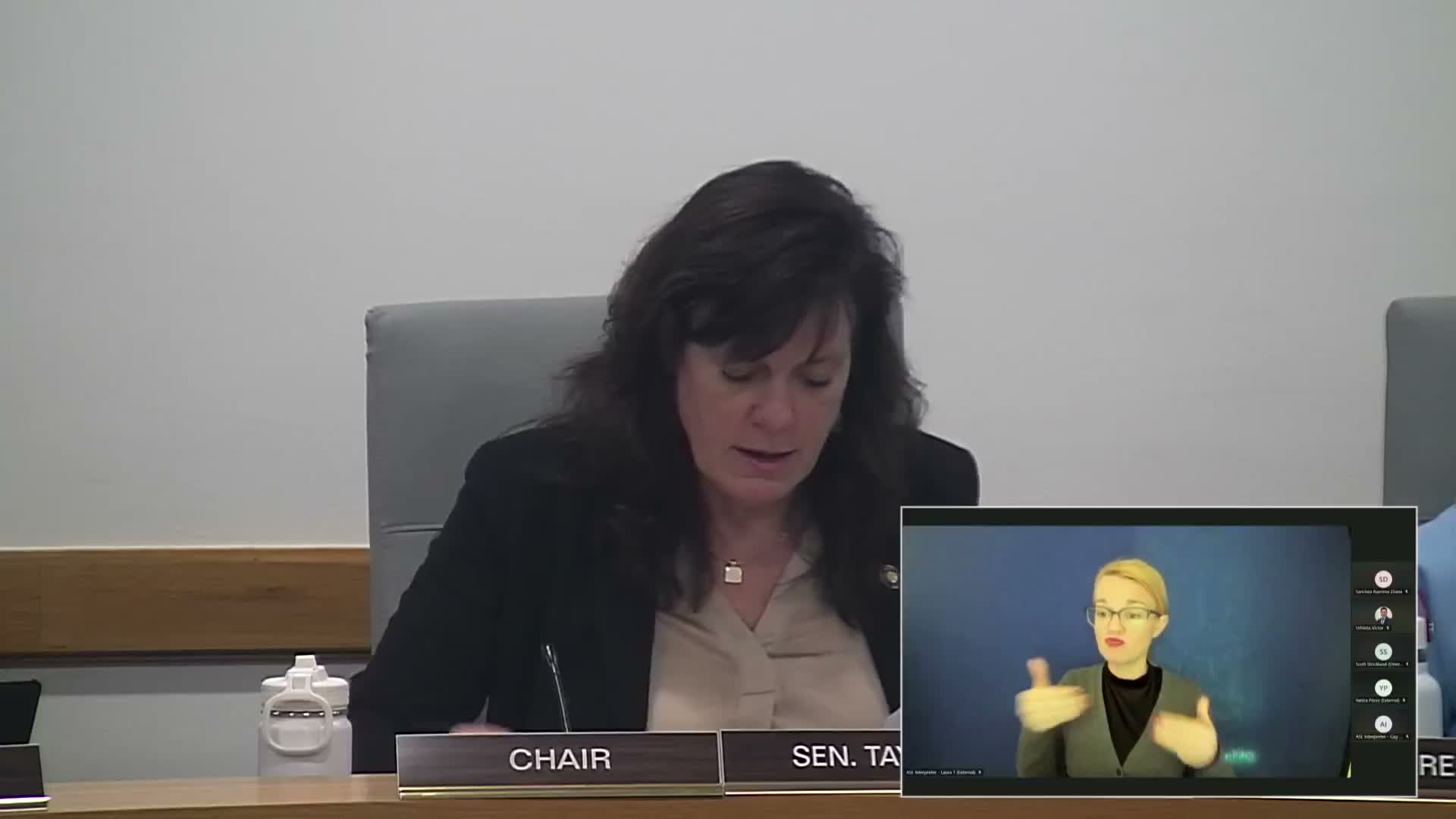
Senate Committee on Labor and Business members on Monday heard from labor advocates and legislative staff about Senate Bill 1518, a measure intended to preserve Oregon's current wage and overtime protections for home care and domestic workers if federal definitions change.
Latanya Blanco, chief of staff to Representative Sue Ricky Smith, said the bill’s purpose is to “codify the current Oregon 2016 language” for companionship services after a federal Department of Labor proposal could narrow the federal definition. Blanco said a dash-1 amendment on OLIS corrects a prior filing error and restores the intended language.
Alice Longley Miller, who identified herself as representing Service Employees International Union Local 503, urged lawmakers to act to prevent a rollback. “The U.S. Department of Labor has proposed a rule change that would strip federal minimum wage and overtime protections for more than 3,000,000 home care workers nationwide,” Longley Miller said, and argued Oregon should “decouple state law from the federal definition under attack.”
Josh Nasby of the Bureau of Labor and Industries explained the practical effect of the federal proposal: federal companionship services definitions include fellowship, protection and a limited care component that currently allows up to 20% of hours to be care-related without triggering wage/overtime coverage. Nasby said the proposed federal approach would broaden what counts as permissible household work within the companionship exemption.
Committee members asked whether the state bill would affect workers already covered by collective-bargaining agreements. Blanco and Longley Miller responded that union-represented workers remain covered by contracts but the bill is intended to protect nonunion workers who could otherwise lose protections if federal definitions change.
Chair Taylor closed the informational hearing and reminded members that SB 1518 is scheduled for a public hearing and work session on Wednesday, February 4.