Get Full Government Meeting Transcripts, Videos, & Alerts Forever!
Get email alerts on the Contempt Procedure topic
No spam. Unsubscribe anytime.
Judicial experts outline changes to remedial contempt procedures in SB 1557
Summary
SB 1557 would standardize the remedial contempt process, naming the initiating document a complaint, requiring an order to appear, authorizing dismissal where no prima facie case exists and clarifying venue and certain procedural protections, according to retired judge and Judicial Department staff.
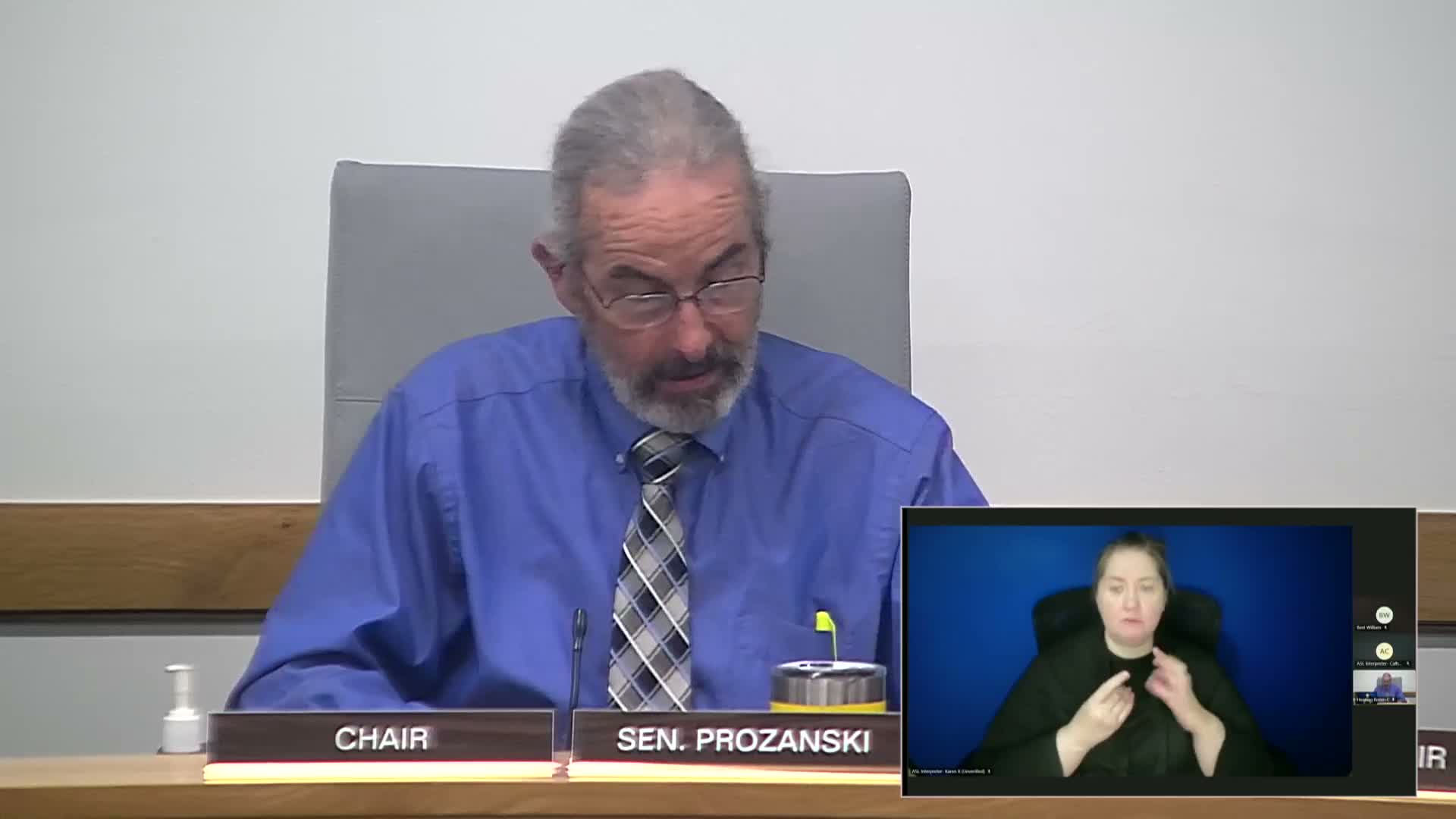
SALEM — Retired Judge Maureen McKnight and Judicial Department counsel told the Senate Judiciary Committee on Tuesday that SB 1557 is designed to bring consistency to remedial contempt proceedings by clarifying pleading and hearing procedures.
McKnight said the bill addresses remedial contempt — contempt meant to compel compliance — and explained that the draft names the initiating document a complaint, makes an order to appear mandatory, sets minimum timelines for hearings and authorizes courts to dismiss if the plaintiff does not show a prima facie case. The bill would allow certain provisional ex parte orders, authorize attorney-fee recovery where a complaint led to compliance, and clarify venue rules for remedial and punitive contempt matters.
The presenters said changes are intended to improve process for self-represented litigants (common in family law matters), reduce wasted court and sheriff resources where contempt is improperly alleged, and preserve protections against self-incrimination where pleadings implicate potential criminal conduct. The committee took the presentation as informational and did not vote.