Get Full Government Meeting Transcripts, Videos, & Alerts Forever!
Get email alerts on the Micromobility topic
No spam. Unsubscribe anytime.
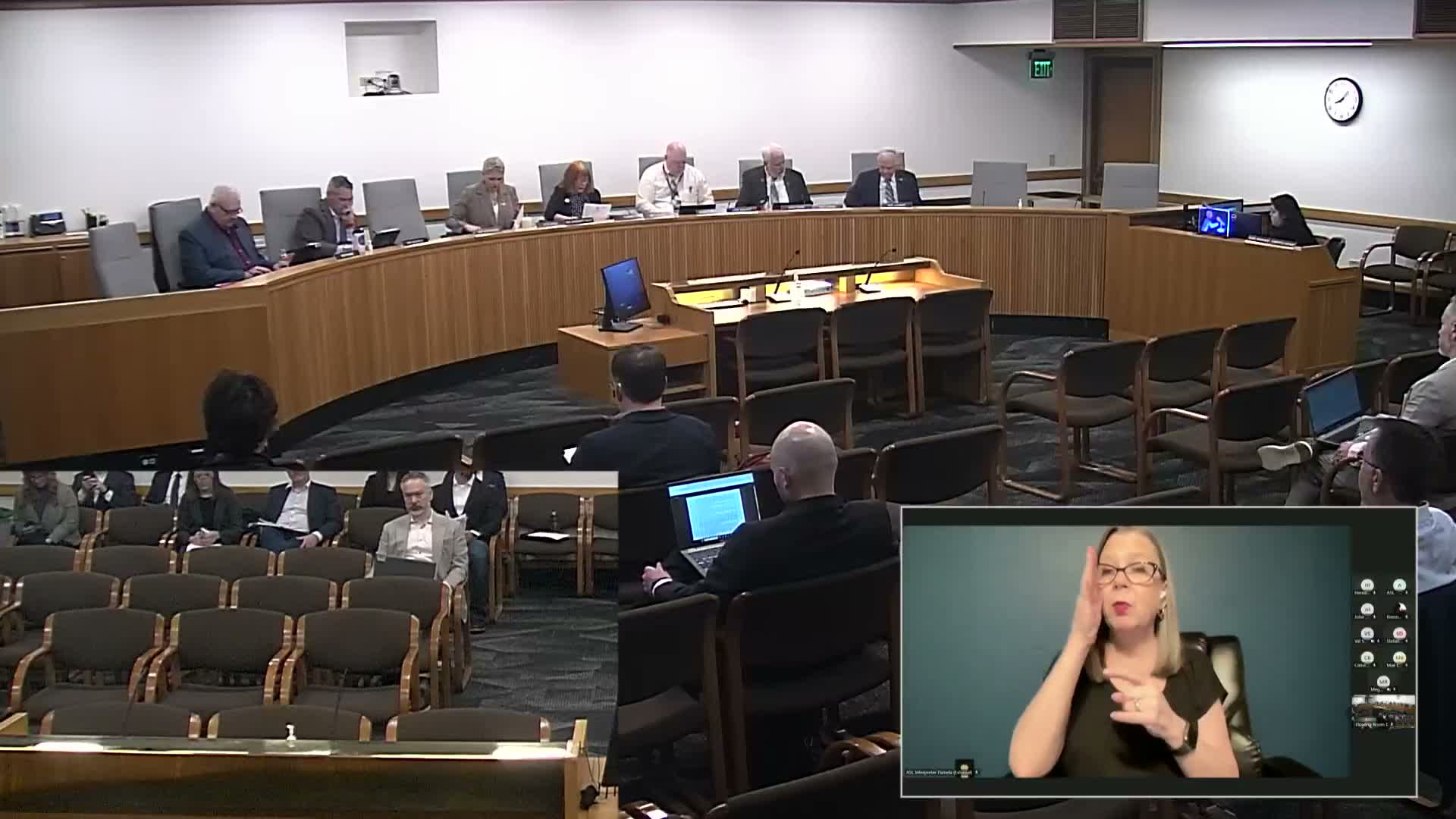
House committee hears omnibus transport bill to clarify e‑bike rules and pilot heavier milk trucks
Summary
The House Committee on Transportation heard testimony on House Bill 4,007, which would tighten statutory definitions for micromobility devices, create penalties for out‑of‑class high‑speed "eMotos," adjust age rules for class‑1 e‑bikes and launch a five‑year ODOT pilot allowing select milk trucks up to 129,000 pounds on approved routes.
The Oregon House Committee on Transportation on Feb. 4 heard testimony on House Bill 4,007, a short‑session "loose ends" omnibus that would revise micromobility definitions, set equipment and sale standards for out‑of‑class electric vehicles, and direct a five‑year pilot for heavier fluid milk truck configurations on ODOT‑approved routes.
Cameron Bennett, a transportation engineering and planning professional speaking for the Oregon Micro Mobility Network, said the bill "would ensure that all of these devices are defined in statute supporting law enforcement education and regulation efforts" and warned that deceptively marketed high‑speed devices — commonly called "eMotos" — pose safety risks that the measure targets with new penalties.
Lindsay Huber, deputy director at The Street Trust, framed the changes as an equity and access measure, citing data from a Ride‑to‑Own e‑bike program: "Across five pilot cohorts, we've had thousands of applicants and given away 115 bikes," she said, adding participants recorded roughly 45,000 trips covering about 130,000 miles. Huber said clearer rules would let youth safety educators reach younger riders and help low‑income households access e‑bikes for jobs and errands.
Several witnesses urged the committee to permit class‑1 pedal‑assist e‑bikes for younger riders. Veil Bonsgaard, policy manager at the Environmental Center, and Megan Ramey, Hood River County Safe Routes to School manager, described middle‑school demand and safety benefits; Ramey said the bill "draws a clear line between pedal assist e‑bikes and throttle powered e motors where the real safety risks are." The current draft opens class‑1 access to age 14; some advocates asked the committee to consider lowering that to 12 in future sessions.
The bill also addresses battery and component safety by seeking certification of lithium‑ion drive batteries to nationally recognized standards, a change witnesses said would align Oregon with other states and reduce fire risks from uncertified systems.
Sections 26–28 create a five‑year pilot permitting fluid milk haulers to operate up to 129,000 pounds (up from a current exemption cap of about 105,500) on routes approved by ODOT. Trevor Belts, manager of government affairs for the Tillamook County Creamery Association, said the pilot would not change statewide limits and would let ODOT designate corridors where axle configurations and bridge conditions were suitable: "ODOT would approve potential routes. They can evaluate whether heavier configurations can improve efficiency without compromising safety or infrastructure," he said.
Representative Mannix raised a legal concern about a long‑standing religious exemption from helmet requirements under ORS 814.485 and ORS 814.486; witnesses said the removal of that exemption in the draft is carryover language from earlier sessions and that some stakeholder groups would support retaining the exemption if the committee chooses to amend the bill.
Committee staff noted a dash‑2 amendment postpones a highway cost allocation study report date to March 15, 2028 and extends a related sunset to Jan. 2, 2029.
The committee closed the public hearing on HB 4,007 and said it would continue conversations; no final committee vote on the bill itself was recorded during the hearing.