Get Full Government Meeting Transcripts, Videos, & Alerts Forever!
Get email alerts on the Accessible Housing topic
No spam. Unsubscribe anytime.
Committee hears advocates, developers clash over 10% accessibility mandate in SB 15 76
Summary
Witnesses and advocates told the committee SB 15 76 would close a large gap between need and supply by requiring at least 10% Type A accessible units in new multifamily housing and matching state funding, while some developers warned the 10% standard may exceed demand and create operational challenges.
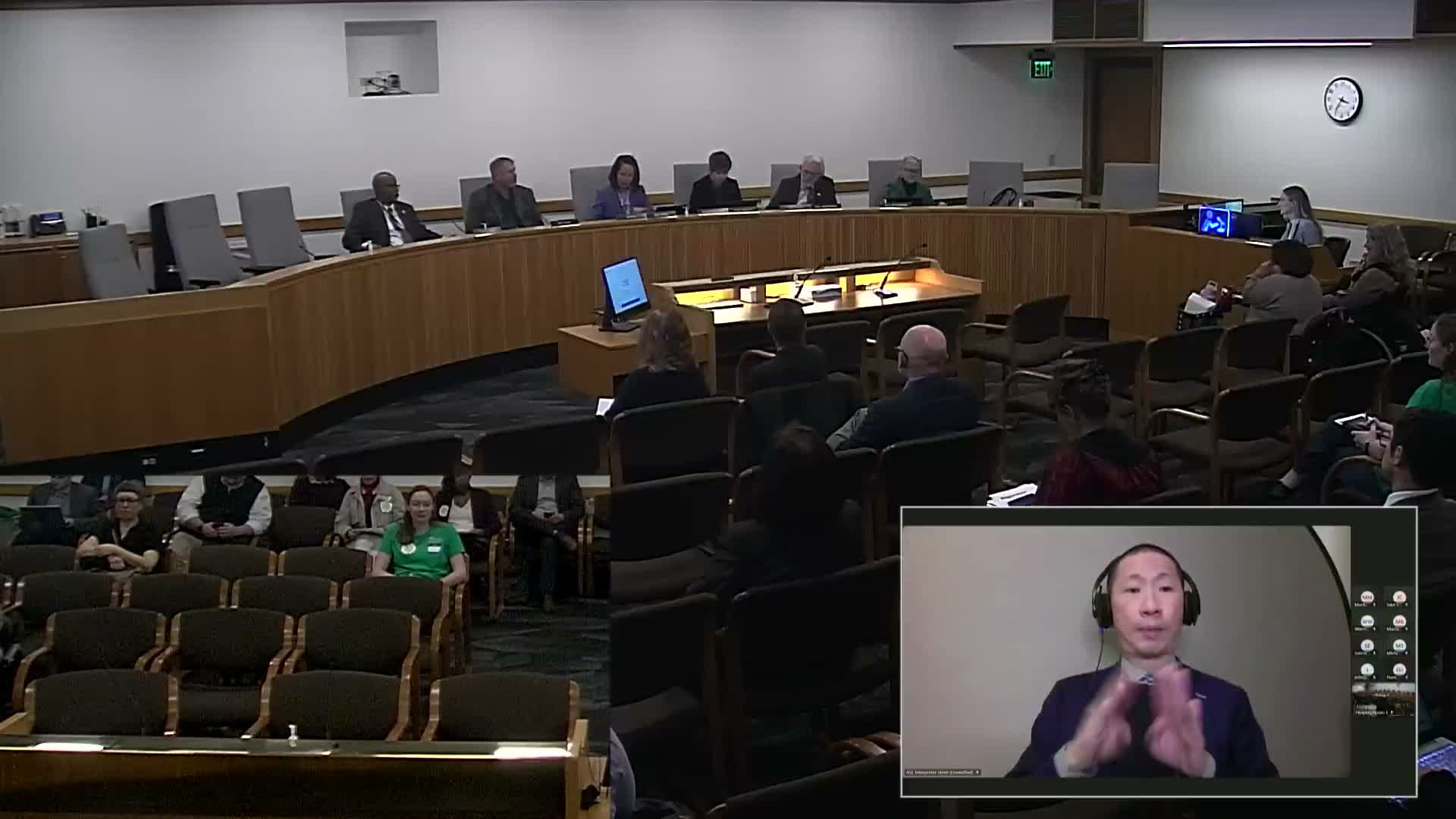
Sen. Deb Patterson opened the committee’s public hearing on SB 15 76, the Accessible Housing Act, saying the bill seeks to increase accessibility in new housing and align the state building code with federal fair‑housing accessibility standards.
"One in 10 Oregonians has trouble walking, but only 0.3 percent of our state's housing supply is wheelchair accessible," Patterson said, framing the bill as a response to a severe mismatch between need and supply. The staff summary described the measure as requiring the Department of Consumer and Business Services to adopt rules aligning state building code standards with federal accessibility requirements and mandating that at least 10% (or a minimum of two) units in multifamily buildings of more than 15 units be Type A accessible; the bill would also limit the use of state funding to projects meeting those accessibility requirements.
Disability advocates, planning groups and housing organizations uniformly urged the committee to move the bill forward. Alan Hynes of Community Vision (via video) and Jake Cornett of Disability Rights Oregon described the historical roots of the shortage and urged the committee to act. Cassie Wilson (1000 Friends of Oregon), speaking as a disabled renter, recounted repeated moves prompted by inaccessible units and pressed the panel to treat accessibility as a baseline not an optional add‑on. "Without truly accessible housing, disabled people will never have access to safety and stability needed to thrive," Wilson said.
Housing Oregon and several provider organizations supported the bill while acknowledging cost and operational questions. Kevin Cronin highlighted projects (Winwat Commons, South Hill Commons) that have incorporated significant accessible units and argued accessibility is cheaper when planned up front than retrofitted later.
Industry representatives raised concerns about the 10% mandate. Multifamily Northwest and several property managers said the federal baseline (2%) is far lower than the bill’s proposal and that, in some portfolios, Type A units experience lower occupancy by non‑disabled renters and longer vacancy durations. Warren Weddick of Security Properties said "Across all of the Type A units in my portfolio, roughly half are occupied by a disabled tenant," and added operators often provide concessions or lower base rents to avoid prolonged vacancy on modified floor plans.
Committee members pressed witnesses on operational questions — matching disabled tenants to accessible units, waitlist management and whether minimums should scale with building size. Advocates acknowledged matching and waitlist issues but said those operational challenges do not address the underlying shortage of accessible homes.
The hearing closed with no committee vote. Committee staff and members asked witnesses to submit additional operational questions in writing so the panel can examine implementation issues before further action.