Get Full Government Meeting Transcripts, Videos, & Alerts Forever!
Get email alerts on the Hospital Stabilization topic
No spam. Unsubscribe anytime.
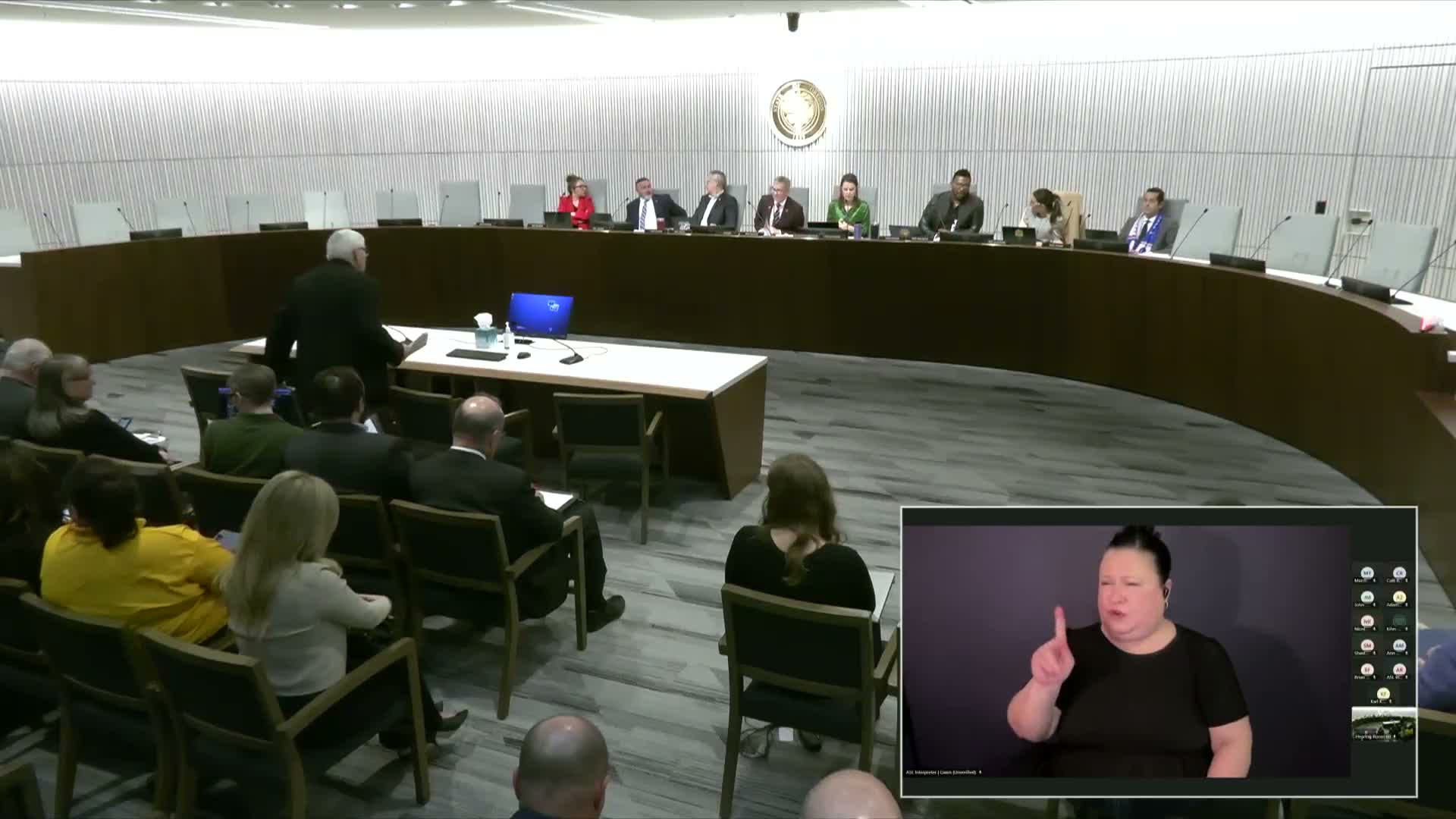
Bay Area Hospital stabilization bill prompts lengthy debate over loan mechanics, reimbursement and Treasury role
Summary
House Bill 4075 would let the state treasurer use unclaimed-property funds to issue loans to qualifying rural hospitals and includes amendments that temporarily increase Medicaid reimbursement for Bay Area Hospital; hospital leaders described deep losses and a $22 million turnaround plan while the Treasury warned of operational limits and underwriting concerns.
House Bill 4075, sponsored by Rep. Boomer Wright, seeks statutory authority for the state treasurer to use up to 20% of the in-state unclaimed property fund to issue rural hospital stabilization loans to qualifying hospitals; the measure also includes pending amendments that would direct higher Medicaid reimbursement to Bay Area Hospital through a temporary change.
Representative Wright and Senator David Brock Smith framed the bill as an urgent bridge for Bay Area Hospital on Oregon's south coast. "Loss of the Bay Area Hospital will be catastrophic to the South Coast region," Wright said, and proponents described the hospital as the only place within a 100-mile radius with certain services.
Hospital leadership detailed finances and a turnaround plan. Gretchen Nichols, president and CEO of Bay Area Hospital, said the organization prepared a $22,000,000 turnaround plan and that the hospital "closed its fiscal year in June losing $24,000,000" and has lost about $125,000,000 over the last four years. Kelly Morgan and board members described efforts to cut costs, convert temporary labor to permanent staff and improve revenue cycle performance.
Labor and union representatives, including UFCW political director Mike Salvaggio, supported the bill and argued Treasury already stamps hospital debt issuances and that the proposed loan mechanics could be structured to avoid general fund costs. By contrast, Deputy Treasurer George Naughton said Treasury is neutral because it presently lacks an existing loan program and underwriting capacity, warned the bill is "thin" on implementation details (loan amounts, payback periods, recourse, caps) and cautioned setup could take up to a year.
"Treasury does not currently operate a loan program for external entities," Naughton told the committee, noting the office's fiduciary responsibility and the need to develop underwriting and staffing to run such a program.
Committee members pressed on alternatives such as state loan programs, Business Oregon or redefining hospital types to preserve services. Hospital witnesses warned that downgrade to a type-B/conversion would reduce services (including obstetrics and cardiology) and likely increase downstream state costs for transfers and longer hospital stays.
The hearing produced detailed fiscal and operational back-and-forth but no final decision; the chair asked proponents, Treasury and stakeholders to confer and return with a workable deal.
Next steps: committee requested additional consultations among bill proponents, the treasurer's office and stakeholders to settle implementation mechanics; the committee may consider the dash-2 reimbursement amendment as a fallback.