Get Full Government Meeting Transcripts, Videos, & Alerts Forever!
Get email alerts on the Pharmacy Access topic
No spam. Unsubscribe anytime.
Oregon lawmakers consider tax credit for rural pharmacists and licensing for mobile pharmacies
Summary
Two bills aimed at pharmacy access — HB 4048 would add pharmacists to a rural practitioner tax credit; HB 4131 would allow licensed mobile pharmacy outlets — drew testimony from pharmacists, FQHCs and industry groups highlighting pharmacy deserts and closures in rural Oregon.
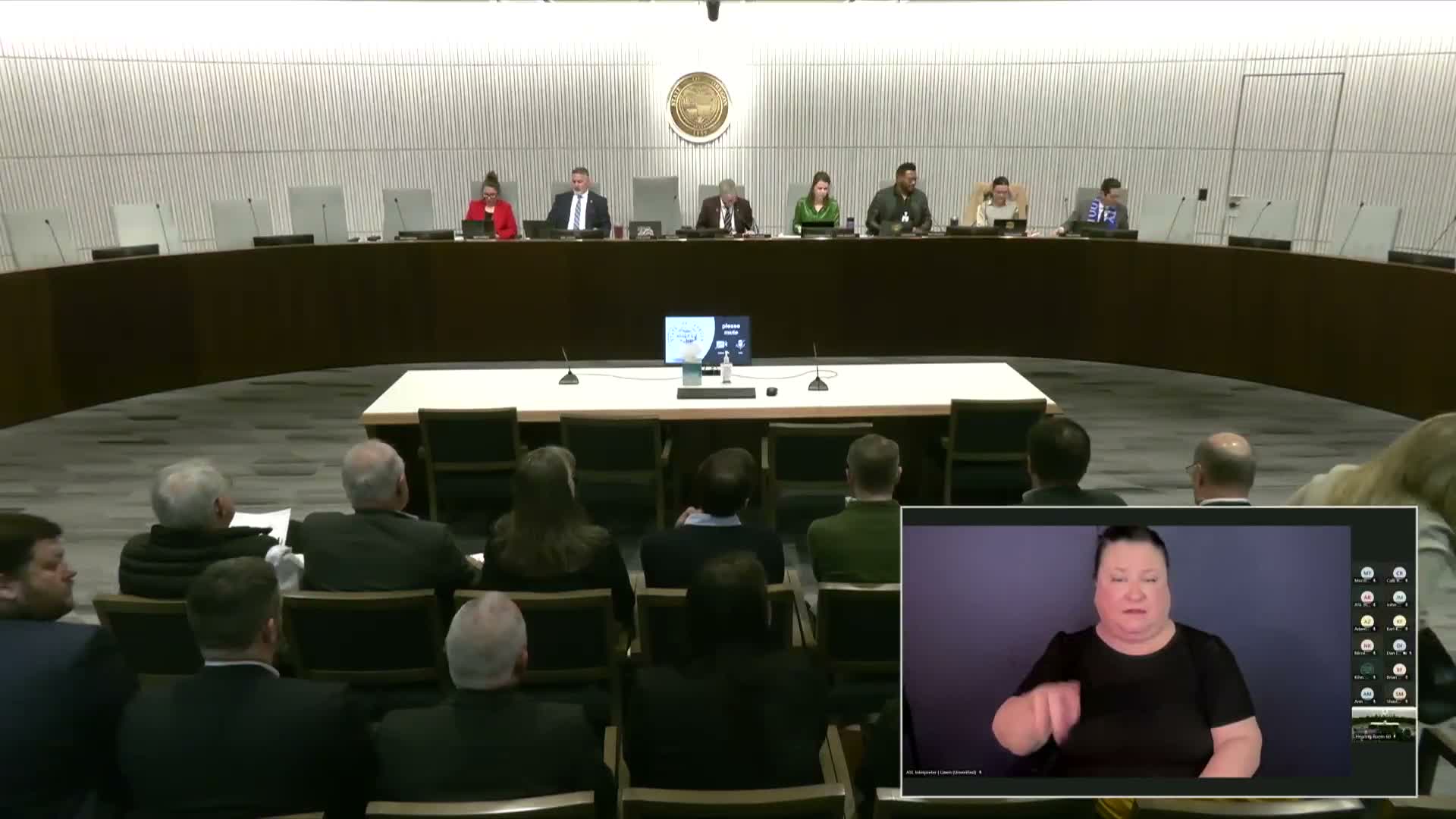
Two separate bills before the House Committee on Health Care target pharmacy access in rural Oregon.
House Bill 4048 would expand the state's rural health care practitioner tax credit to include pharmacists. Tyler Harbick, chief of staff for Rep. Darren Harbick, framed the measure as a simple step to retain pharmacists in small towns after testimony that 36 pharmacies closed in Oregon in 2023 and many rural counties have very low pharmacy-per-capita availability.
"This credit helps doctors, dentists, optometrists and other professionals but 1 key group is missing and that's our rural pharmacists," Harbick said. Shu Adi, representing a nonprofit, and independent pharmacist Anne Murray described pharmacies as essential health anchors: Murray said she and her husband "are pharmacists on Murray's Drugs serving [a rural county] since 1959" and noted the financial pressures and staffing challenges that threaten rural pharmacies.
House Bill 4131, sponsored by Rep. Hai Pham, would direct the State Board of Pharmacy to license mobile pharmacy outlets and set operation criteria, allowing hospitals, federally qualified health centers (FQHCs), counties and critical access pharmacies to operate mobile units attached to brick-and-mortar pharmacies. Dr. Eva Galvez of Virginia Garcia Memorial Health Center said mobile pharmacies are about access, not convenience, recounting a patient whose untreated infection escalated because she could not get to a pharmacy in time.
"Medications are only effective if patients can actually obtain them," Galvez said, describing mobile pharmacies as part of the continuum of care for rural and underserved patients.
Supporters emphasized safeguards in HB 4131 including DEA compliance for controlled substances, communication plans with local public health authorities, refill plans and limits on operation times and places; hospital and FQHC representatives said the proposals would expand access without replacing permanent community pharmacies. No organized opposition registered during the hearings; committee staff said the bills would move to subsequent committee work.
Next steps: committee consideration and potential referral to revenue (for tax credit) or rulemaking and Board of Pharmacy engagement (for mobile licensing).