Get Full Government Meeting Transcripts, Videos, & Alerts Forever!
Get email alerts on the ORVID topic
No spam. Unsubscribe anytime.
Committee hears bill to move Oregon volunteer database from HECC to OEM
Summary
Lawmakers heard testimony on HB 4,033 to transfer the Oregon Volunteers in Disaster (ORVID) database from the Higher Education Coordinating Commission to the Oregon Department of Emergency Management so OEM can maintain licensing and operational control for disaster volunteer management.
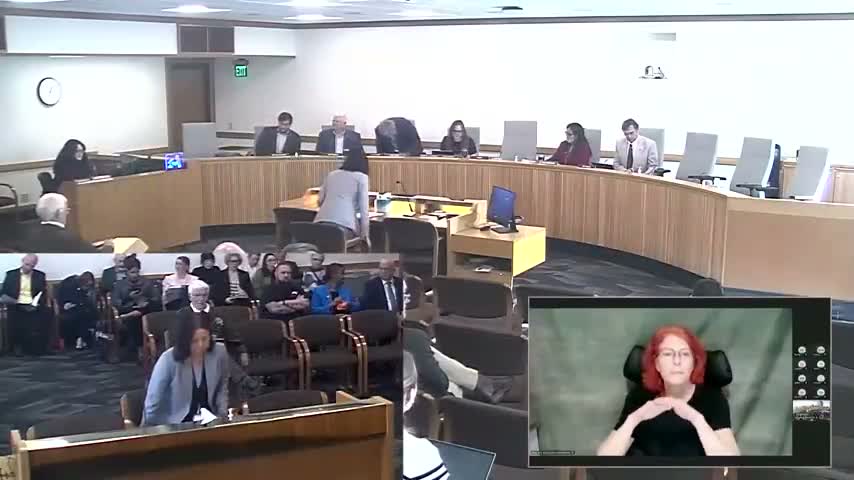
State Representative Thuy Tran introduced House Bill 4,033 on Feb. 5, telling the House Committee on Emergency Management and Veterans the bill would move the Oregon Volunteers in Disaster database (ORVID) from the Higher Education Coordinating Commission to the Oregon Department of Emergency Management so OEM can operate and maintain the system.
Tran said HECC lacks funds and does not intend to continue hosting ORVID, while OEM regularly uses the database to mobilize volunteers. "Without this transfer, Oregon will lose access to ORVID and the volunteer contacts and history on it," Tran said, adding that "Oregon cannot afford to lose access to ORVID in a situation where the ability to respond is measured in minutes, not hours." She told the committee the fiscal ask is limited to subscription licensing; the vendor will provide technical support and OEM will provide staff to run the system.
Vice Chair Watanabe asked whether HECC employees would move to OEM to manage the database. Tran said the subscription vendor will provide support and OEM will scale personnel to operate the system; no separate personnel funding request was included in the bill testimony.
The hearing record includes no formal vote on HB 4,033. Committee members pressed for operational clarity about vendor support and whether OEM would have the necessary staffing and contracts to run ORVID; Tran said the bill's limited fiscal request is intended to cover licensing so the vendor and OEM can provide the needed support. The committee closed the public hearing without advancing the bill in the transcript.
Next steps: the committee indicated questions remain about operational handoff and vendor support but did not record a final vote during the Feb. 5 hearing.