Get Full Government Meeting Transcripts, Videos, & Alerts Forever!
Get email alerts on the Tax Policy topic
No spam. Unsubscribe anytime.
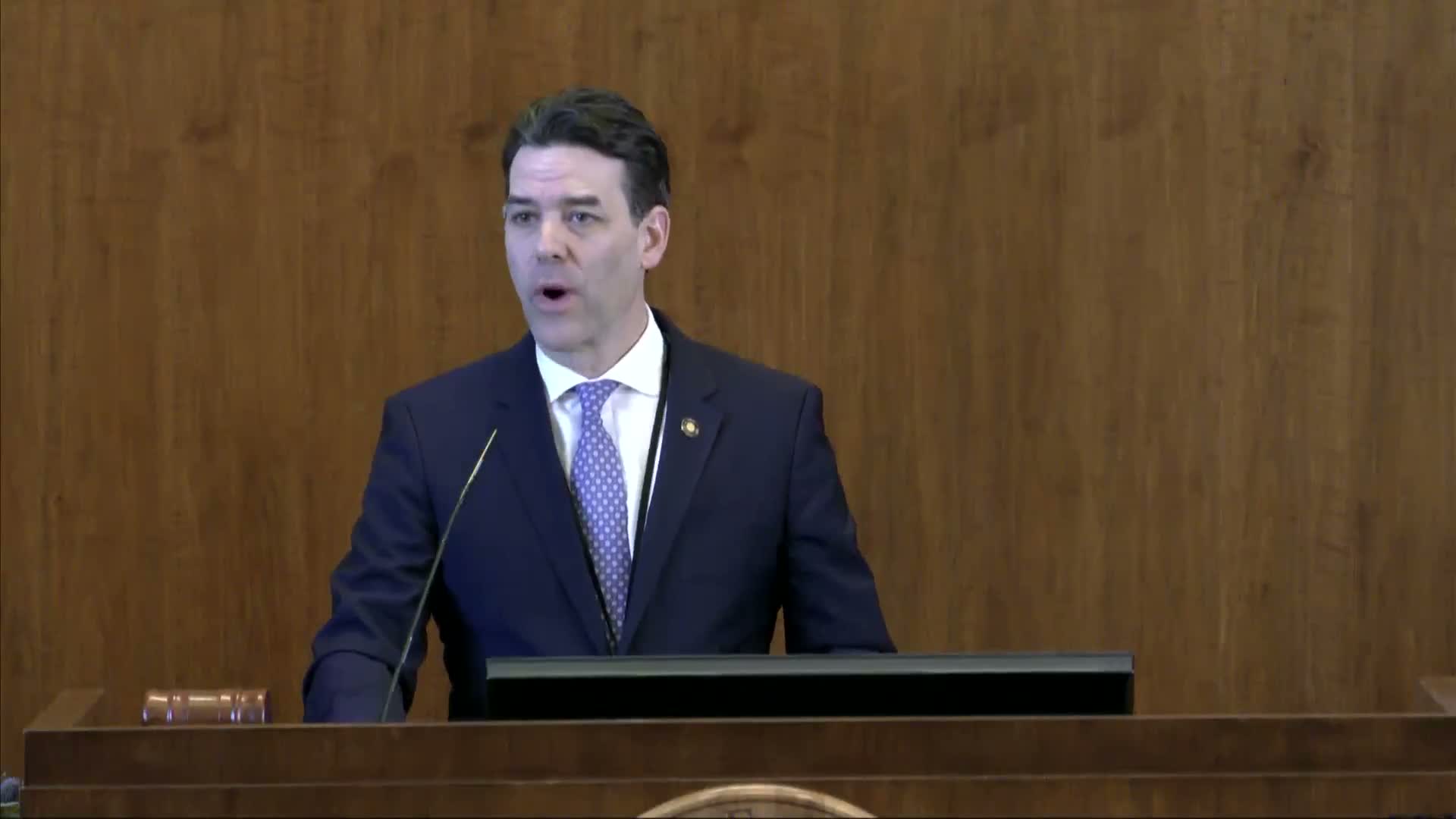
Senator Pham criticizes growing data-center tax breaks, urges transparency and cost-sharing
Summary
Senator Pham urged the Senate to curb uncapped subsidies for data centers, saying subsidies have doubled and could exceed $390 million in 2026; she called for limits on tax breaks and requirements that companies pay grid and water upgrade costs and disclose usage.
Senator Pham warned colleagues that Oregon’s approach to subsidizing large data centers is costing taxpayers substantially more than in the past and urged the state to demand greater transparency and cost-sharing from technology firms.
"As a result of these public subsidies, Amazon, Google, Apple, and Facebook all have big installations of data centers across our state," Senator Pham said, adding that the cost to Oregon taxpayers has doubled over the last decade and is projected to exceed $390,000,000 in 2026. She described data centers as "low employment technologies" that use large amounts of land, water and energy while providing few permanent local jobs.
Pham said the state should consider limiting or ending tax-credit loopholes for data centers, require companies to cover the full cost of power and grid upgrades they need, and demand transparency on water and energy use. "If big tech wants to build here, it should be on Oregon's terms," she said.
The remarks were made during the Senate's remonstrance period and did not propose specific legislation on the floor; no formal vote followed the comments. The senator referenced a series of articles in The Oregonian as the basis for her figures and framed her concerns in budgetary and public-utility terms.
Senator Pham’s statement focused on three policy recommendations: restrict eligibility or size of enterprise-zone tax credits for data centers, require developers to pay infrastructure upgrade costs rather than passing them to taxpayers, and increase reporting requirements on corporate water and energy consumption. She tied the issue to broader choices about what forms of economic development the state should favor.
Next steps: Pham’s remarks serve as a public call for policy review rather than an enacted change; any statutory limits or new reporting requirements would require bill drafting, committee referral and legislative action in a later step.