Get Full Government Meeting Transcripts, Videos, & Alerts Forever!
Get email alerts on the Osp Feasibility topic
No spam. Unsubscribe anytime.
Oregon DOC outlines OSP replacement plan and geriatric care needs; feasibility study funded in budget
Summary
The Department of Corrections briefed the Ways and Means Public Safety Subcommittee on a feasibility study for replacing the 100-year-old Oregon State Penitentiary and planning geriatric housing, citing more than $100 million in deferred maintenance and a growing older population that consumes a disproportionate share of healthcare costs.
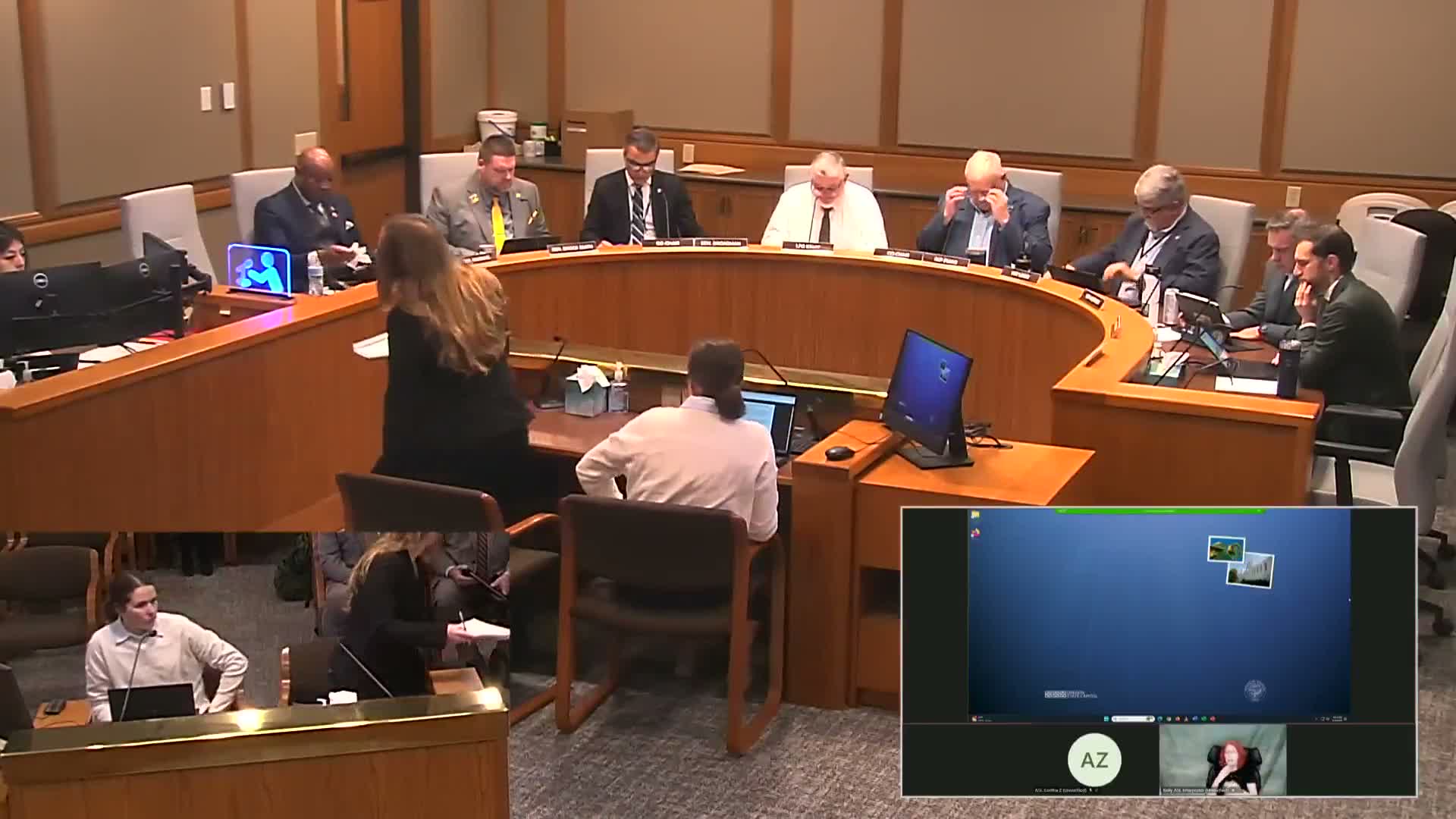
The Oregon Department of Corrections told the Joint Committee on Ways and Means Public Safety Subcommittee on Feb. 5 that the Oregon State Penitentiary (OSP) in Salem is functionally obsolete and requires significant investment or replacement to meet modern custodial and medical needs.
Director Mike Rees said OSP is more than 100 years old, has extensive deferred maintenance (more than $100,000,000), antiquated plumbing and HVAC systems, hazardous materials abatement needs and temperature-control issues in upper tiers. He showed committee members photos of failing infrastructure inside occupied housing units and described the facility as increasingly expensive to operate.
Kevin Bohmkamp, assistant director for health services, said the population in custody aged 55 and older has grown from about 12% in 2014 to roughly 18% today and—based on state Criminal Justice Commission projections—could exceed 30% in about 20 years (roughly 4,200 people). Bohmkamp said that older adults in custody often require memory care, long-term illness recovery and hospice supports that DOC infirmaries are not designed to provide.
DOC described three approaches other states use to address the needs of aging populations: medical release or medical parole programs, contracted third-party care (including secured nursing or memory-care facilities that accept incarcerated people), and purpose-built medical or specialized custody facilities. The presentation referenced Washington and Connecticut examples where Medicaid-waiver strategies or rate enhancements have enabled community providers to take some incarcerated patients.
On costs, DOC offered early estimates: a direct HVAC upgrade would add about $25 million, deferred maintenance exceeds $100 million, and an illustrative 1,000-bed medical facility would be more expensive up front but could generate operational savings from reduced transports, fewer off-site care costs and potential litigation reductions. DOC told lawmakers a feasibility study is under way (funded by a $3,000,000 budget allocation in House Bill 5004) and that the agency will return with further reports per the budget note.
Committee members asked for data on sentence lengths, the proportion of repeat offenders among older adults in custody, and more detailed breakdowns of care needs and costs. DOC agreed to provide comparative data and to continue examining alternatives, including modular construction and vendor options; the agency estimated, under a best-case sequential timeline, new beds might be available around 2033 but stressed that the timeline is highly uncertain.
Allison Daniel (DAS Chief Financial Office) and the Legislative Fiscal Office recommended acknowledging receipt of the report. A committee member moved to send the item to the full committee with LFO recommendation; the motion carried and Senator Manning agreed to carry the item to the full committee.