
Panel approves mapping and monitoring bill for federal lands by jurisdiction; passes 8–2
Get AI-powered insights, summaries, and transcripts
Subscribe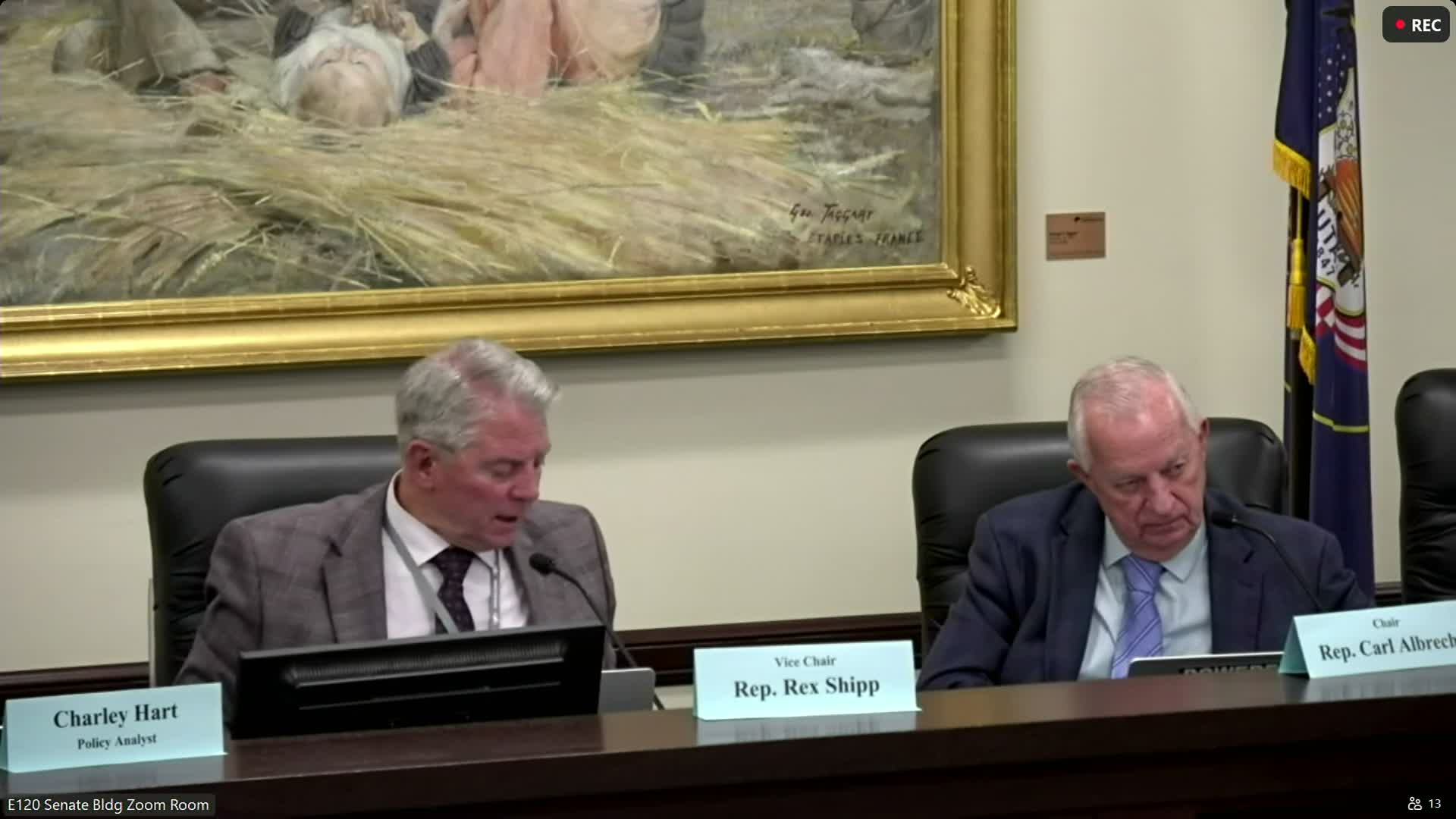
Summary
HB 546 directs the state to map federal lands by jurisdictional category, monitor access, health and productivity, and identify landscape‑scale priority areas; the committee passed the bill 8–2 after extensive testimony from county officials and legal experts.
Representative Ivory presented HB 546 (Public Lands Duty of Care amendments), a bill to create a digital mapping inventory of federal lands in Utah categorized by jurisdictional status, and to monitor access, health and productivity of landscape‑scale areas (including forest health, critical mineral areas and public nuisance conditions) with a target mapping completion in January 2028.
John Howard, an attorney who has studied jurisdictional inventories, told the committee an updated review showed the law on jurisdiction has remained stable and that large portions of federal land had been classified in the federal inventory as 'proprietorial only'—meaning federal ownership as landowner but with limited federal jurisdictional enclave authority. Howard said the mapping would document these categories and allow the state to monitor watershed health and other conditions.
Public testimony was divided: county commissioners and local officials urged mapping and management to address wildfire, grazing and watershed protection; conservation groups and other commenters warned the measure could be used to pave the way for litigation or to undermine federal protections. Representative Colford moved to recommend the bill favorably and the committee passed it with eight voting yes and two voting no (Representatives Arthur and Owens recorded as opposed).
Representative Ivory and supporters characterized the bill as mapping and monitoring—not a transfer of ownership—and said mapping would help prioritize wildfire mitigation, grazing, and infrastructure investments.