Panel approves fund to channel restitution for vandalized archaeological and historical sites
Loading...
Summary
HB 536 (first substitute) would create a dedicated public land restoration fund to ensure fines or restitution for vandalism of archaeological and historical sites are used for restoration, local grants, and education; the committee adopted the substitute and passed the bill unanimously.
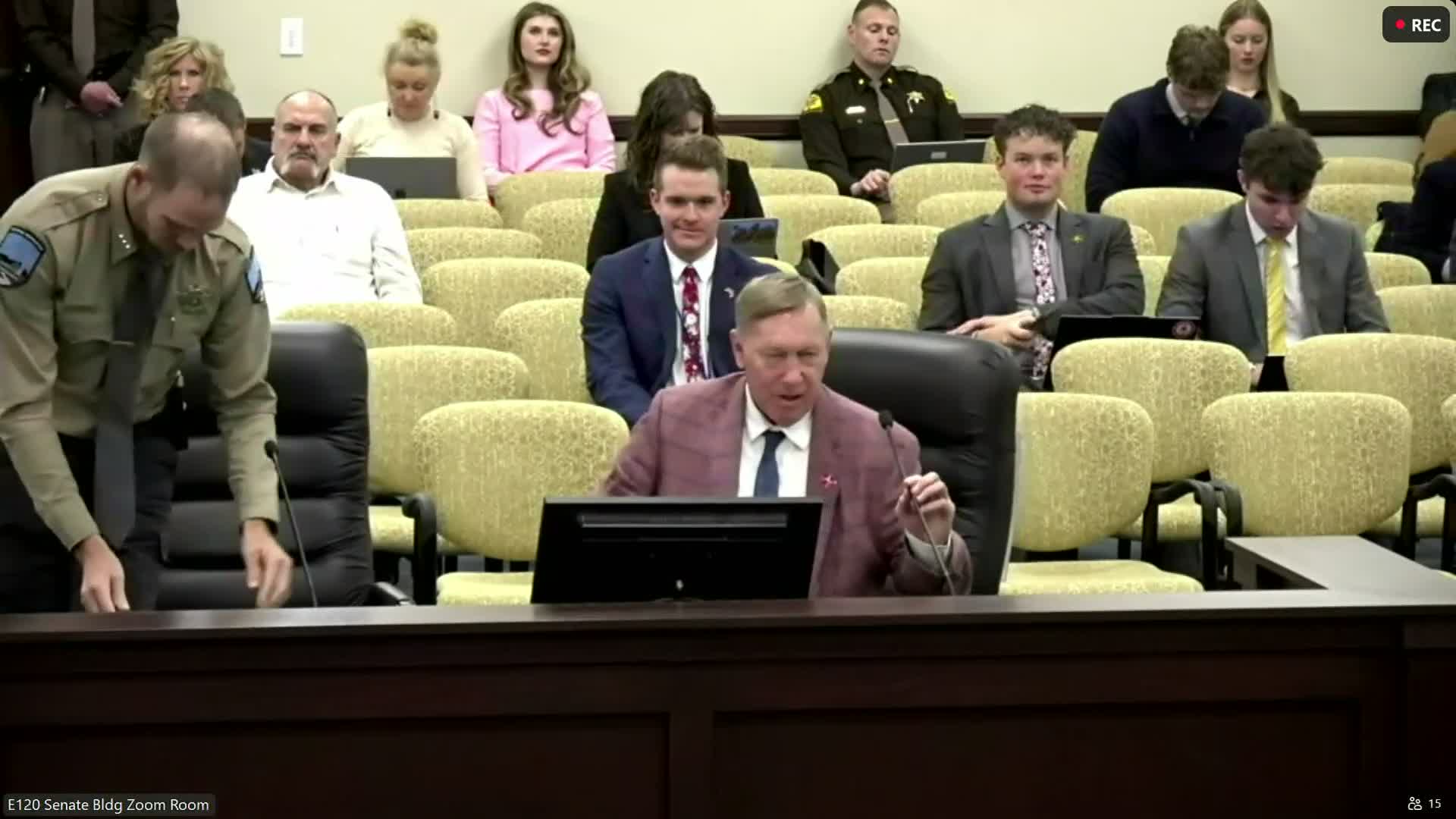
Representative Barlow presented HB 536 (first substitute), a bill to create a public land restoration fund to receive fines or restitution ordered by the courts for vandalism or destruction of archaeological, historical or cultural resources. Deputy Chief Wyatt Bubak of DNR Law Enforcement said the fund would mirror the state’s help‑stop‑poaching model and ensure restitution goes back to the damaged resource and allow rewards for reporting.
Deputy Chief Bubak told the committee current code allows courts to order restitution or fines, but the destination of those monies is not clearly specified and often ends up in general funds; under the bill, monies ordered for restoration would be directed into a fixed fund with statutory mandates about allowed uses, including restoration on public or private lands (when owners desire restoration) and outreach or education to prevent future vandalism. He estimated damage costs can range from a few hundred dollars to $10,000–$15,000 for particularly old or rare rock art.
Committee members asked whether 100% of fines would flow to the fund and whether there are historical collections to estimate expected revenues; DNR said the fund would remain empty until fines are deposited but could also receive legislative appropriations and accrue interest. Members expressed support while noting enforcement and judicial collection can be difficult in rural areas.
The committee adopted the first substitute and passed HB 536 (first sub) favorably by voice vote.