Get Full Government Meeting Transcripts, Videos, & Alerts Forever!
Get email alerts on the Syringe Service Regulation topic
No spam. Unsubscribe anytime.
Heated testimony on bill to bar mobile syringe programs within 2,000 feet of schools; public health warns of unintended harms
Summary
Sponsors said SB 15 73 would protect children by creating a 2,000-foot buffer and civil remedies for violations; public health officials, harm-reduction experts and rural health representatives warned the measure’s broad definitions and punitive liability could reduce access to lifesaving services and increase disease transmission, and proposed narrower alternatives.
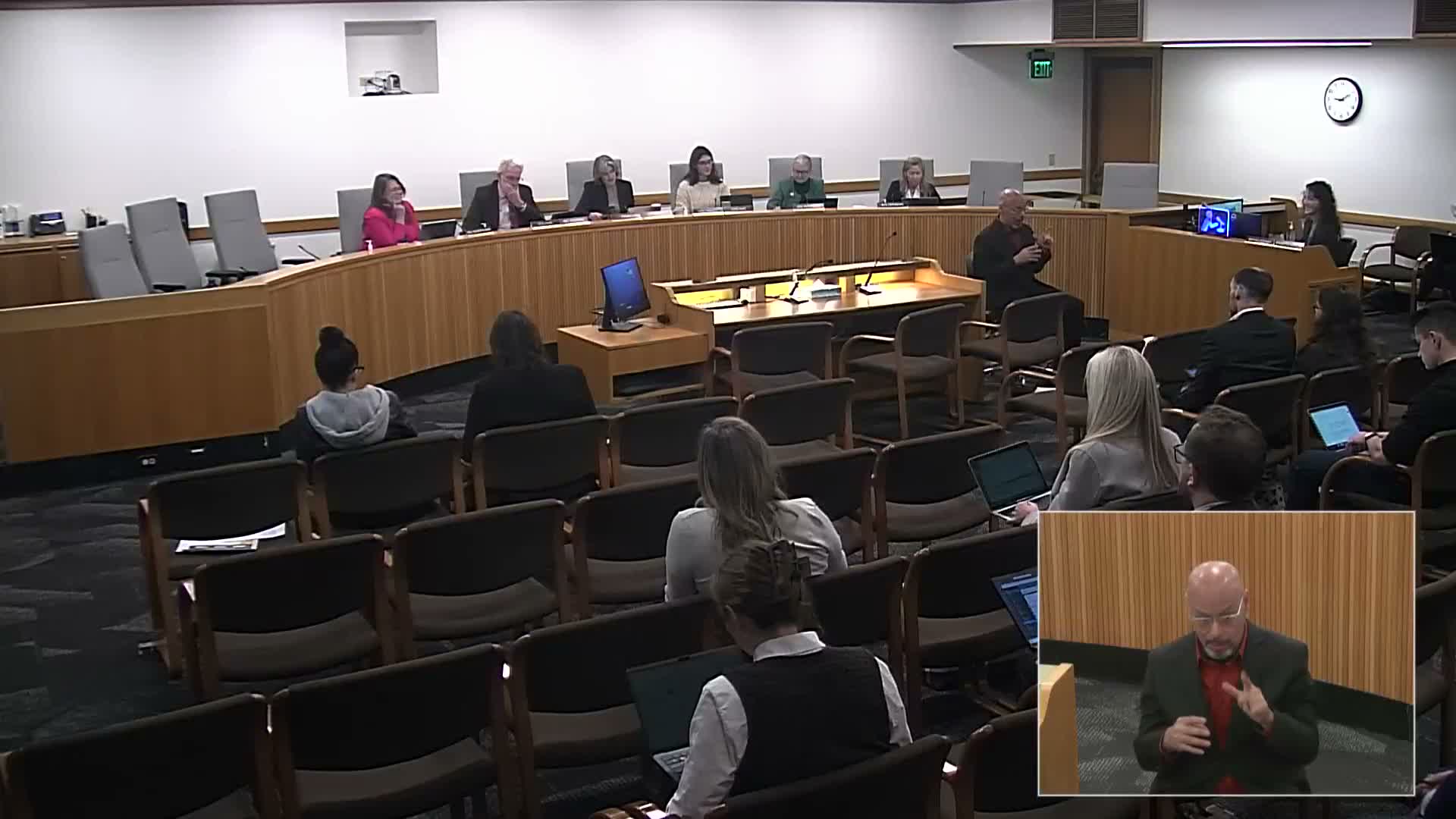
A Senate committee on Thursday heard sharply divided testimony on Senate Bill 15 73, which would prohibit mobile or temporary syringe service programs (SSPs) from operating within 2,000 feet of schools or licensed childcare facilities and allow private civil suits and statutory damages for violations.
Senator Christine Drazen, the bill sponsor, framed the proposal as a response to neighborhood reports of needles and drug paraphernalia near schools and businesses and cited rising overdose deaths in Oregon — testimony referenced 1,900 overdose deaths in 2023 and 1,480 in 2024 — to justify stronger neighborhood protections and local accountability. Representative Darcy Edwards, co-chief sponsor, described a civil enforcement mechanism that would allow prevailing plaintiffs to recover $5,000 or actual cleanup costs plus attorney fees.
Residents and business owners from Portland’s Stadium Hood neighborhood testified in support, saying independent mobile "needle drop" operators distribute syringes and leave paraphernalia without accountability, creating hazards near schools and parks. Supporters urged a buffer and enforcement tools to protect children and neighborhoods.
Public health officials, harm-reduction clinicians and county representatives warned the committee that a 2,000-foot buffer and the bill’s broad definition of SSPs would have serious unintended consequences. Sarah Lochner, Executive Director of the Oregon Coalition of Local Health Officials, said the proposed radius and inclusion of licensed home-based childcare would expand restricted areas in ways that are difficult to verify and comply with, limit emergency response for outbreaks and potentially apply to routine mobile diabetes or other public-health services. Lochner also criticized a reversal of the burden of proof in the bill and the risk of punitive litigation.
Addiction medicine specialists and nurses testified that mobile exchange programs reduce HIV and hepatitis C transmission, link people to naloxone and treatment, and are often essential in rural communities where fixed sites are unavailable. Dr. Hunter Spencer, an addiction-medicine researcher, said the bill would likely prevent timely mobile outreach and make it harder to reach people who later accept testing and care.
Witnesses proposed compromises, including narrowing the buffer to 1,000 feet, clarifying the definition of syringe service programs to exclude certain public-health activities, adding oversight or registry requirements, and ensuring exceptions for outbreak response. County representatives and public-health leaders urged the committee to work with sponsors to preserve emergency response capacity and avoid creating liabilities that would deter nonprofit providers.
Chair Reynolds closed the hearing after receiving extensive testimony and asked parties to submit written comments; she indicated further discussion and potential amendments will follow before the deadline.