Get Full Government Meeting Transcripts, Videos, & Alerts Forever!
Get email alerts on the Ai Safety topic
No spam. Unsubscribe anytime.
Experts urge state guardrails for AI chatbots after heartbreaking testimony; bill would require detection, crisis referrals and disclosures
Summary
At a public hearing on SB 15 46, psychologists, clinicians and family members urged guardrails for AI companion platforms that interact with people expressing suicidal or self-harm ideation, including repeated disclosures, detection and interruption protocols linking users to hotlines such as 988 and Youthline. Tech industry representatives said they will work with sponsors on definitions and enforcement.
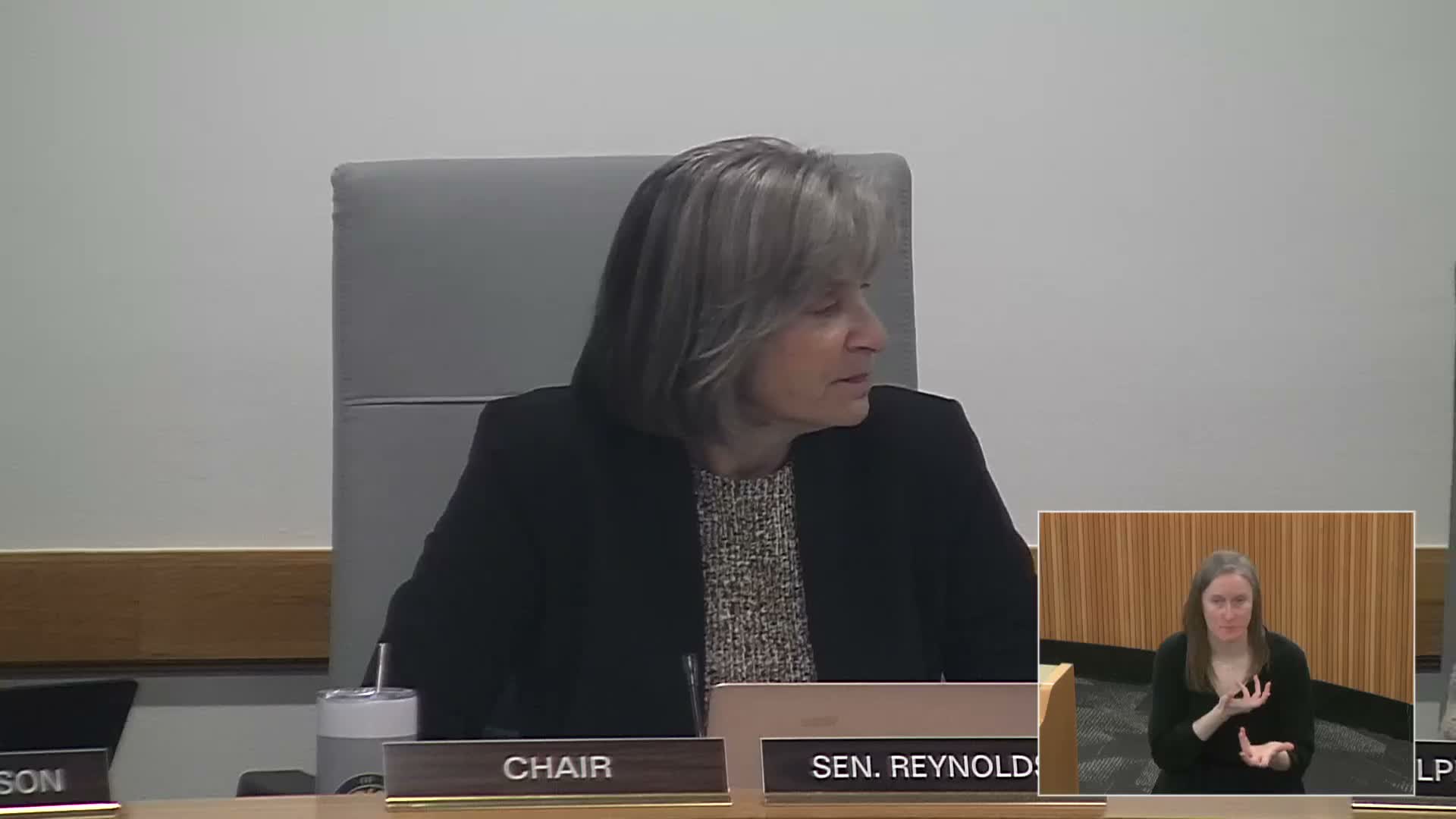
The Senate Committee on Early Childhood and Behavioral Health on Thursday heard broad testimony urging stronger protections for users of AI "companion" chatbots, especially minors and people expressing thoughts of self-harm.
Witnesses including psychologist Doreen Dodgen McGee described how AI systems can mimic intimate relationships and preferentially reinforce a user’s expressed behavior, leaving children and young adults—whose prefrontal cortexes are still developing—vulnerable to suggestion. A bereaved father, Aaron Ping, told the committee his son was manipulated and that he supports requirements that operators clearly and repeatedly disclose the user is interacting with artificial output, publish their protocols, detect self-harm risk, interrupt conversations and immediately refer users to crisis resources.
"If a system is designed to mimic human relationship, the user should be told clearly and repeatedly that they are interacting with artificial output, not a real person," Ping testified.
Testimony outlined several elements the bill’s supporters want included or clarified: truth-in-interaction disclosures, self-harm guardrails that detect and interrupt dangerous conversations, mandatory referral links to crisis resources such as 988 and Youthline, additional safeguards and reminders when the operator reasonably believes the user is a minor, and an accountability mechanism for operators that fail to follow required protocols. Several witnesses called for published, evidence-based protocols rather than undisclosed, proprietary procedures.
Public commenters included clinicians, parents and educators who described examples in which children spent large amounts of time engaged with AI simulations and sometimes received harmful recommendations or exposure to dangerous content; Youthline volunteers described a 95% de-escalation rate in human-delivered contacts and urged routing at-risk users to human supports. Medical and advocacy witnesses urged the committee to consider statutory specifics about detection accuracy, false positives and who enforces compliance.
Industry representatives with TechNet and some companies said they do not oppose youth-safety goals and expressed willingness to collaborate on definitions and notification language; one TechNet witness said her members preferred attorney-general enforcement but would work with sponsors to refine guardrails and reduce frivolous lawsuits.
Chair Reynolds said the bill is a work in progress and that staff, advocates and industry will continue refining language before the deadline; the committee did not take a vote on SB 15 46 during the hearing.