Get Full Government Meeting Transcripts, Videos, & Alerts Forever!
Get email alerts on the Consumer Debt Debt Resolution topic
No spam. Unsubscribe anytime.
House committee hears heated debate over bill to allow regulated debt‑resolution services in Oregon
Summary
Proponents argued HB 4,141 would give Oregonians another regulated option to reduce unsecured debt; opponents — including National Consumer Law Center and community credit counselors — warned the bill removes fee caps, could enable predatory practices and conceal conflicts of interest. Committee members requested comparative data and enforcement clarifications.
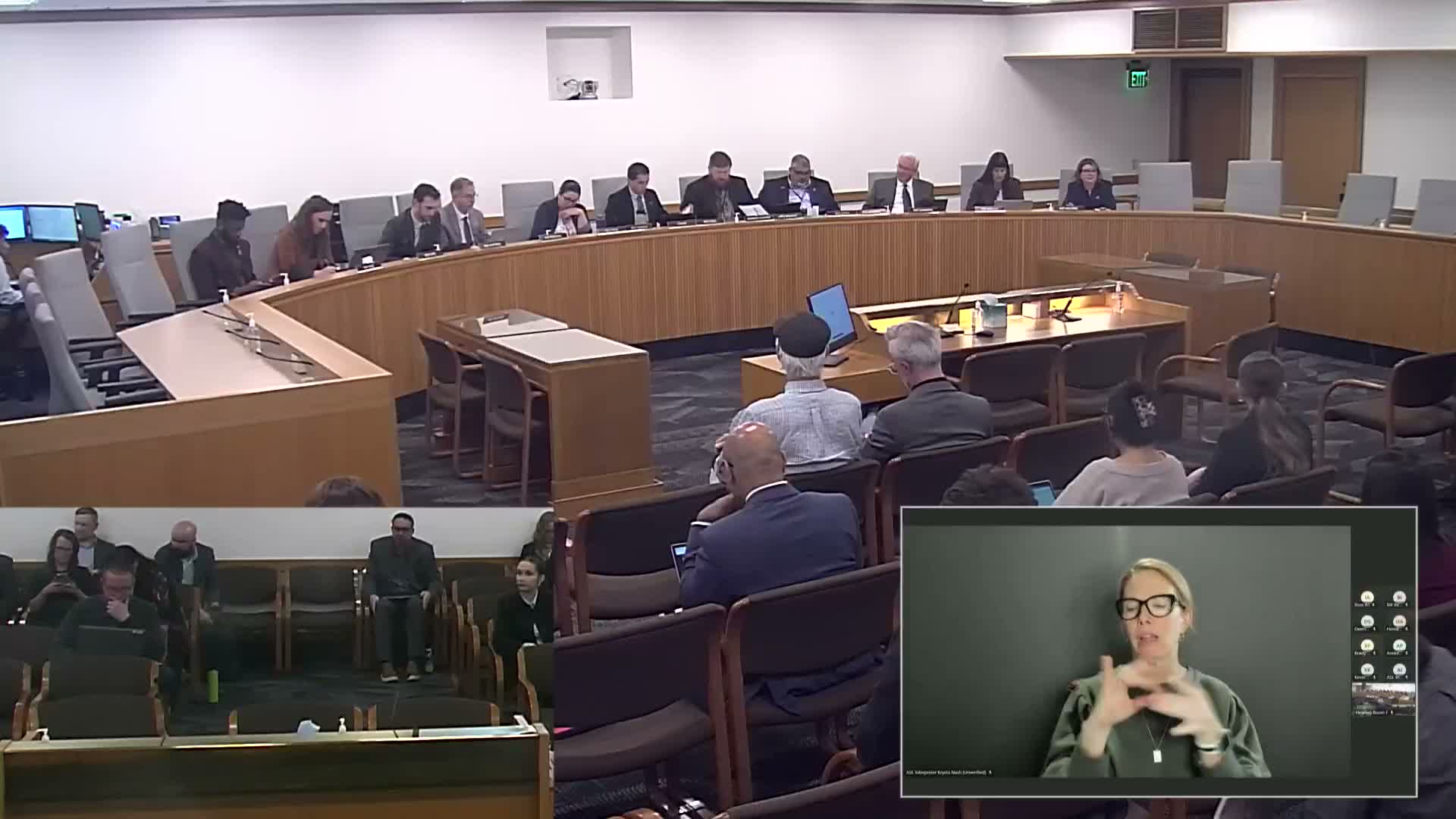
The House Committee on Commerce and Consumer Protection heard extensive, divided testimony on House Bill 4,141, which would create a regulatory framework to allow debt resolution (debt‑settlement) providers to operate in Oregon.
Sponsors Representative Vicki Breece Iverson and Representative Emerson Levy said the bill would provide an additional pathway for Oregonians facing unmanageable unsecured debt, pointing to relatively low use of debt resolution in Oregon compared with other states and saying the bill creates registration, bonding and disclosure requirements.
Opponents warned of consumer harms. Andrew Pizer, a staff attorney at the National Consumer Law Center, urged the committee to vote against the bill. "This bill will significantly weaken Oregon's existing laws regarding debt resolution," he said, arguing it would eliminate fee caps tied to savings, open an "attorney model" loophole that could evade regulation, allow firms to broker or make loans to customers (creating conflicts), and raise e‑signature and federal law concerns.
Angela Donnelly of Oregon Consumer Justice shared a client story to illustrate harms she attributed to the current debt‑settlement business model: a consumer who enrolled, stopped paying creditors per program instructions, later discovered defaulted accounts and higher balances, and spent years repairing credit damage. "The experience had long term consequences for Christina and her family," Donnelly said.
Industry proponents — including Michael Luxo (Association for Consumer Debt Relief), Keevan Kimball (Financial Services Innovation Coalition), and Desmond Sydney (Dealing with Debt) — argued a regulated option with registration, oversight and disclosures can save consumers money net of fees and provide an alternative to bankruptcy for some candidates. Luxo cited independent research saying debt resolution can reduce unsecured balances by about 32% on average net of fees. Proponents said the bill would codify FTC telemarketing‑rule protections, require FDIC‑insured third‑party accounts, and prohibit upfront fees.
Committee members asked detailed questions about fee structures, enforcement and empirical outcomes. Opponents said the bill displaces Oregon’s current fee cap (which ties fees to savings) and replaces it with a structure that could permit fees calculated on enrolled debt; proponents said the enrolled‑debt metric is more transparent and that other states have moved away from fee caps.
Ending: With testimony complete, the committee closed the public hearing. Members requested comparative data on bankruptcy rates in other states and how many Oregonians who filed bankruptcy might have been candidates for regulated debt resolution.