Get Full Government Meeting Transcripts, Videos, & Alerts Forever!
Get email alerts on the Child Safety Car Seats topic
No spam. Unsubscribe anytime.
Lawmakers hear testimony on bill to block sale of counterfeit car seats
Summary
At a public hearing, lawmakers heard medical experts and advocates urge passage of HB 4,092 to prohibit sale of child restraint systems that do not meet federal or Oregon standards; witnesses showed a real Doona seat and a counterfeit, reported rising encounters of fake seats in hospitals, and described a 30‑day notice and private right of action in the dash‑1 amendment.
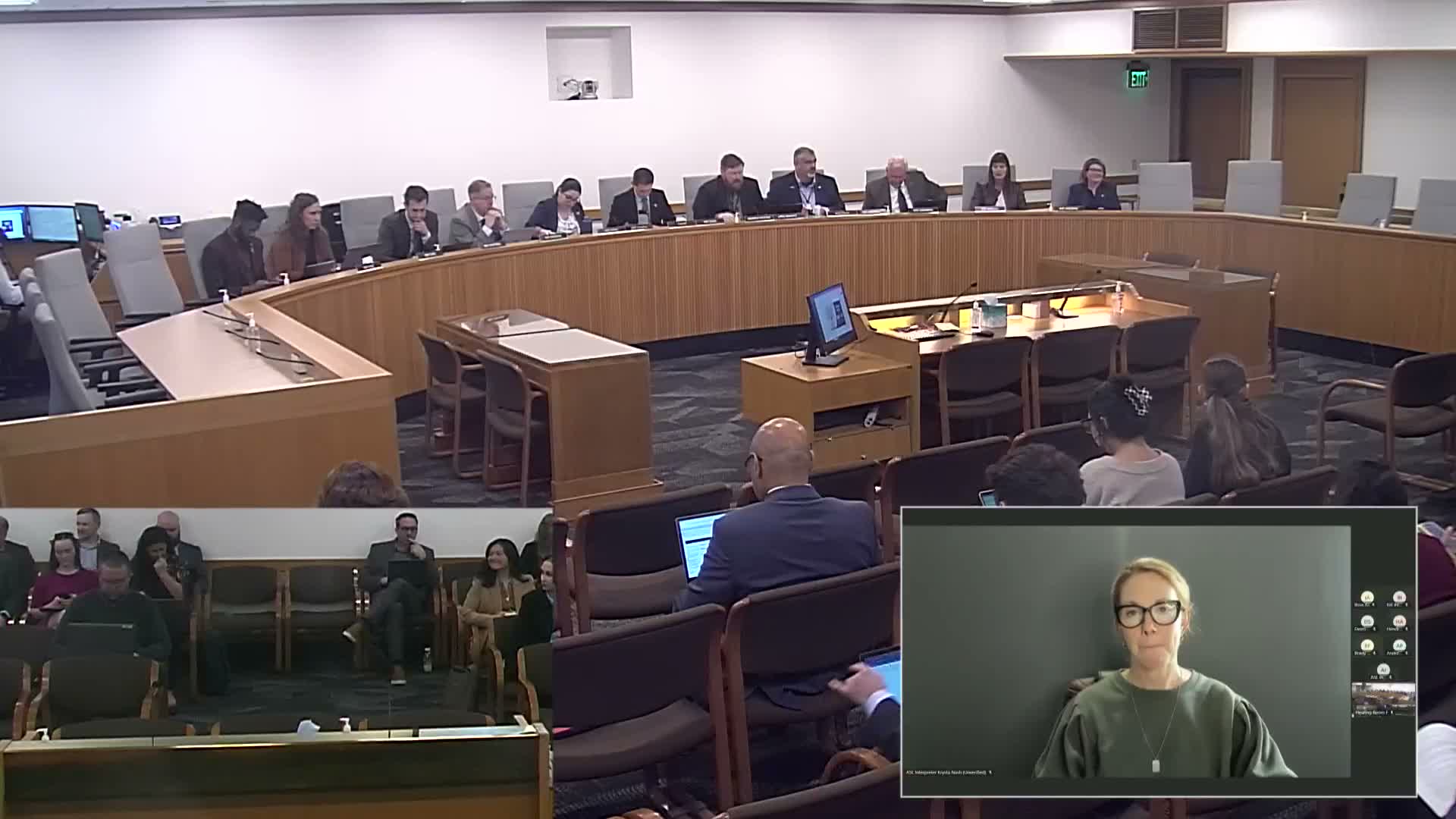
The House Committee on Commerce and Consumer Protection heard testimony supporting House Bill 4,092, which would bar the sale in Oregon of child‑restraint devices that do not meet National Highway Traffic Safety Administration or Department of Transportation standards and would require clearer disclosures and removal of noncompliant listings on online marketplaces.
Representative Hai Pham (House District 36), the bill sponsor for the dash‑1 amendment, told the committee the measure targets counterfeit and misrepresented car seats seen at Doernbecher Children’s Hospital and elsewhere. "We're very fortunate to work with Manor Dalton, the AG's office, and everybody's neutral on this bill and supportive," Pham said, describing a hospital tour that prompted his office to close the loophole.
Devry Barber and Carrie Wolverton, certified child passenger safety technicians at OHSU Doernbecher, presented a side‑by‑side demonstration of an authentic Doona car seat and a counterfeit they said mimicked the look but lacked required materials, labels and instructions. Barber reported that the hospital encountered 21 counterfeit seats since July 1 (about one or two per month) and said independent crash tests showed some counterfeit plastics disintegrated in sled testing. "These counterfeit seats fail to meet any of the federal motor vehicle safety standards," Barber said.
Witnesses and advocates described how counterfeit seats are marketed on mainstream platforms and third‑party marketplaces at a fraction of retail prices (testimony cited examples of $29.90 ads for seats that retail for several hundred dollars). The dash‑1 amendment removes a weight limit to cover more adaptive and medical equipment, clarifies that delivery apps (Instacart, DoorDash) are excluded, and creates a standalone private right of action to allow individuals to notify platforms and, if a product is not removed within 30 days, pursue legal remedies.
Representatives of the Attorney General's office (Leslie Wu) and early‑learning organizations supported the bill’s transparency and enforcement goals. "Under existing law, Oregon does have its own safety standards," Wu said and noted the bill would provide an additional pathway for families misled into buying unsafe products. Industry and retail representatives (Amanda Dalton for Northwest Grocery Retail Association, platforms including DoorDash and TikTok; Derek Sangston for Oregon Business and Industry) said they had worked with the sponsor on compromise language that establishes either the federal or state minimum standard and allows retailers to correct listings when notified.
Committee members asked whether current laws provide sufficient enforcement and how to ensure platforms remove dangerous listings. Testimony explained the bill’s 30‑day notice mechanism and acknowledged the enforcement challenges posed by sellers based outside the U.S.
Ending: The committee closed the public hearing and moved on to the final bill on the agenda.