Get Full Government Meeting Transcripts, Videos, & Alerts Forever!
Get email alerts on the Insurance Models Wildfire topic
No spam. Unsubscribe anytime.
Public hearing on SB 15 40 focuses on requiring insurers to account for mitigation in risk models
Summary
At a public hearing on SB 15 40, witnesses from Colorado, academic and industry groups, insurers, and state agencies debated requiring insurers to file selected catastrophe models, consider home- and community-level mitigation when pricing, provide disclosures and appeals, and protect model trade secrets. No committee vote was taken.
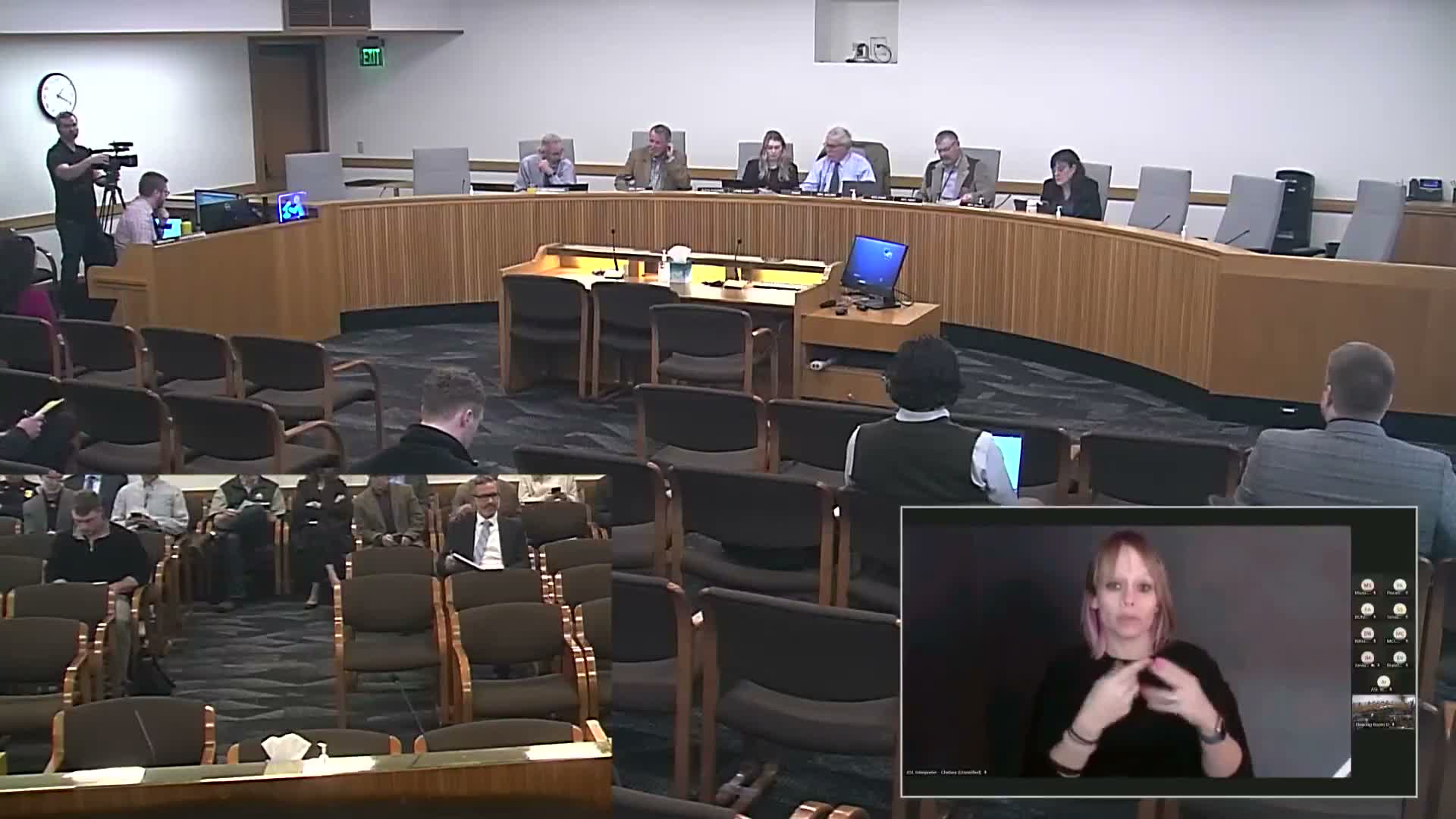
The Senate Committee on Natural Resources and Wildfire held a public hearing on SB 15 40, a bill that would require insurers to submit select risk-management models to the Department of Consumer Business Services, account for property- and community-level mitigation when pricing or deciding whether to write insurance, disclose risk classifications and mitigation opportunities to policyholders, provide discounts where mitigation reduces risk, and establish an appeals process.
Senator Cleve Simpson, Colorado Senate minority leader and sponsor of Colorado’s similar legislation, described Colorado’s experience passing comparable language overwhelmingly (33–1) and observed that administrative rulemaking and measurement of outcomes will take time. Dave Jones, director of the Climate Risk Initiative at UC Berkeley School of Law and former California insurance commissioner, urged the committee to require models to recognize empirically proven mitigation (home hardening and community treatments), to file models (but not underwriting manuals) with the director, to limit who may obtain a wildfire risk score in online shopping contexts, to protect models as trade secrets when filed, and to require actuarial support for any discounts.
Kenton Bridal (Northwest Insurance Council) said the industry is working in good faith, expressed optimism about aligning language across states, and asked for clearer limitations on the insurance department’s approval authority so the department approves models only to the extent they account for mitigation. Jordan Hettler (Climate Cabinet Action) and Mike Caferetta (Oregon Small Woodlands Association) urged the committee to recognize mitigation benefits and to produce incentives for landowners. Deni Ritter (American Property Casualty Insurance Association) and Brandon Vick (National Association of Mutual Insurance Companies) testified in opposition as introduced but said targeted amendments could move their organizations toward neutrality; they urged removing federal-agency references in parts of the bill, narrowing the department’s approval duties, and ensuring discounts are actuarially sound.
TK Keane, state insurance commissioner (DCBS), told the committee the division would need additional technical staff (e.g., data scientists) to operationalize model review and that current statutes entitle the division to underwriting filings — a point he asked the committee to clarify. Oregon State Fire Marshal Mariana Reestempel said the agency would anchor certification to existing IBHS standards through rulemaking and did not expect a new fiscal impact given prior funding for preparedness work.
Chair Golden thanked witnesses; no committee vote was taken on SB 15 40 during this hearing. Committee members asked for and were offered follow-up conversations among the insurance commissioner, outside experts, and stakeholders before the author’s planned amendment work later in the week.
Next steps: The author and stakeholders indicated they are drafting further amendments and expect to return to the committee in the coming work session.