Get Full Government Meeting Transcripts, Videos, & Alerts Forever!
Get email alerts on the Higher Education Governance topic
No spam. Unsubscribe anytime.
Senate hears comments on SB 15‑37 to require student representation and public contact info on community college boards
Summary
SB 15‑37 would require community college board members to post institutional email addresses, add a nonvoting student representative to each board, and require boards to fill vacancies within 90 days or have county commissions act; committee testimony was largely supportive with dash‑1 technical amendments.
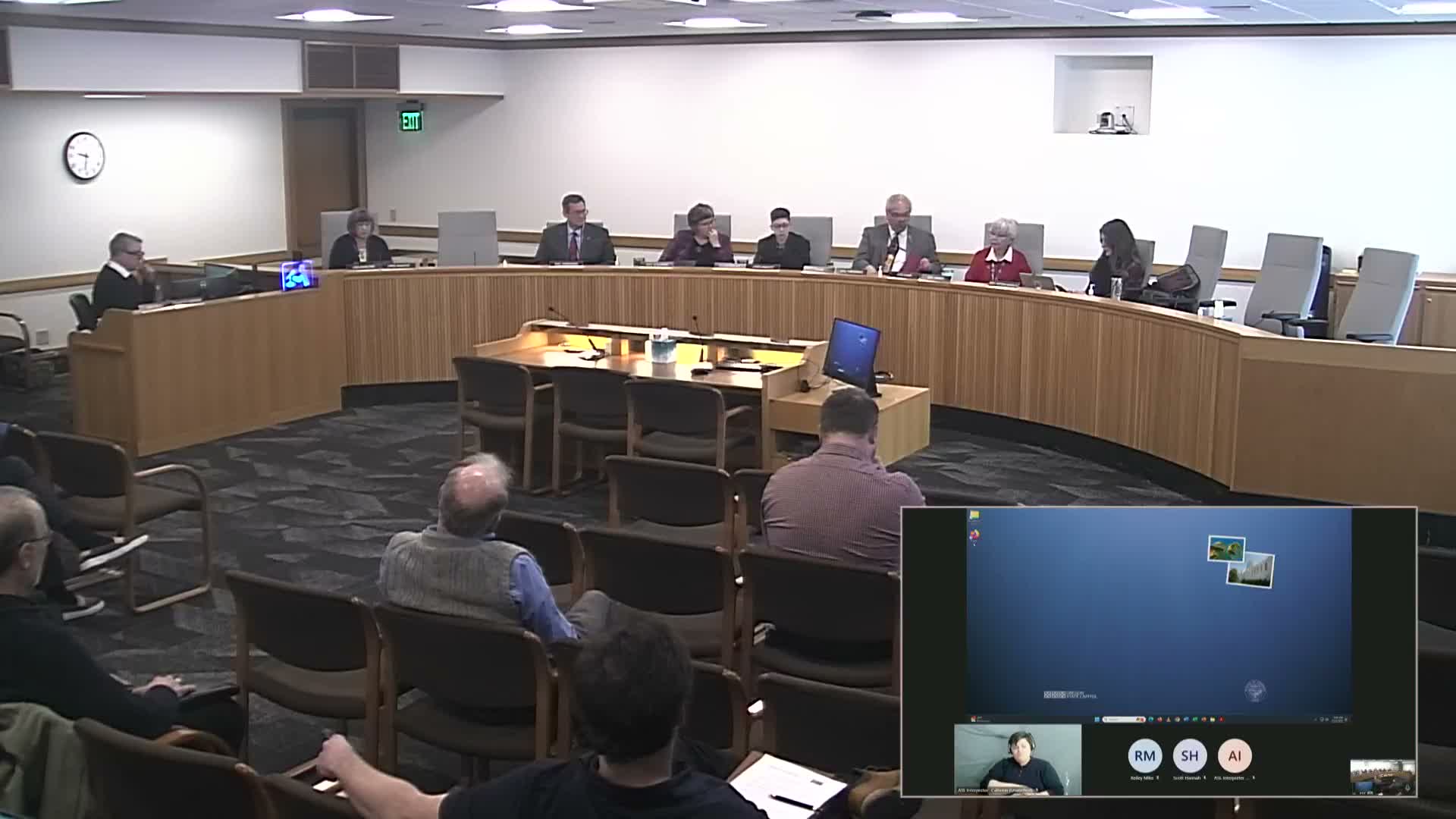
The Senate Committee on Education held a public hearing on SB 15‑37 on Feb. 10. Sponsor remarks and multiple witnesses outlined three core reforms: requiring each community college board member have a publicly posted institutional email address, creating a nonvoting student representative chosen by student government, and establishing a 90‑day timeline for filling board vacancies with county-commission backup if boards fail to act.
Sponsor Senator Lou Frederick said the bill follows a 2023 university-board statute and is intended to strengthen student voice, public access and timely appointments. Dash‑1 amendments posted the morning of the hearing removed age and residency requirements for the student member, required boards to adopt rules governing student participation in executive sessions, and refined which county commission would step in when boards fail to fill vacancies. Senator Frederick urged boards to adopt rules giving students meaningful participation.
Witnesses were broadly supportive. John Wyckoff of the Oregon Community College Association said dash‑1 addressed many concerns and noted local governance differences among community college districts. Dr. Harper Havercamp (AFT Oregon) emphasized student government and civic development and endorsed the bill. Kevin Sullivan (OEA) cited recent multi-month vacancies and lack of contact info at some colleges and supported the dash‑1 technical fixes.
The committee closed the hearing and scheduled related work sessions for Thursday. No committee vote on passage occurred on Feb. 10.