Lifetime Citizen Portal Access — AI Briefings, Alerts & Unlimited Follows
Lawmakers split as committee hears wide-ranging testimony on bill to study advanced nuclear reactors
Loading...
Summary
Supporters said HB 4,046 would fund a technical, transparent study by the Oregon Department of Energy on advanced nuclear technologies; opponents, including tribal leaders and environmental groups, warned private or federal funding risks bias and that affected communities were not adequately included.
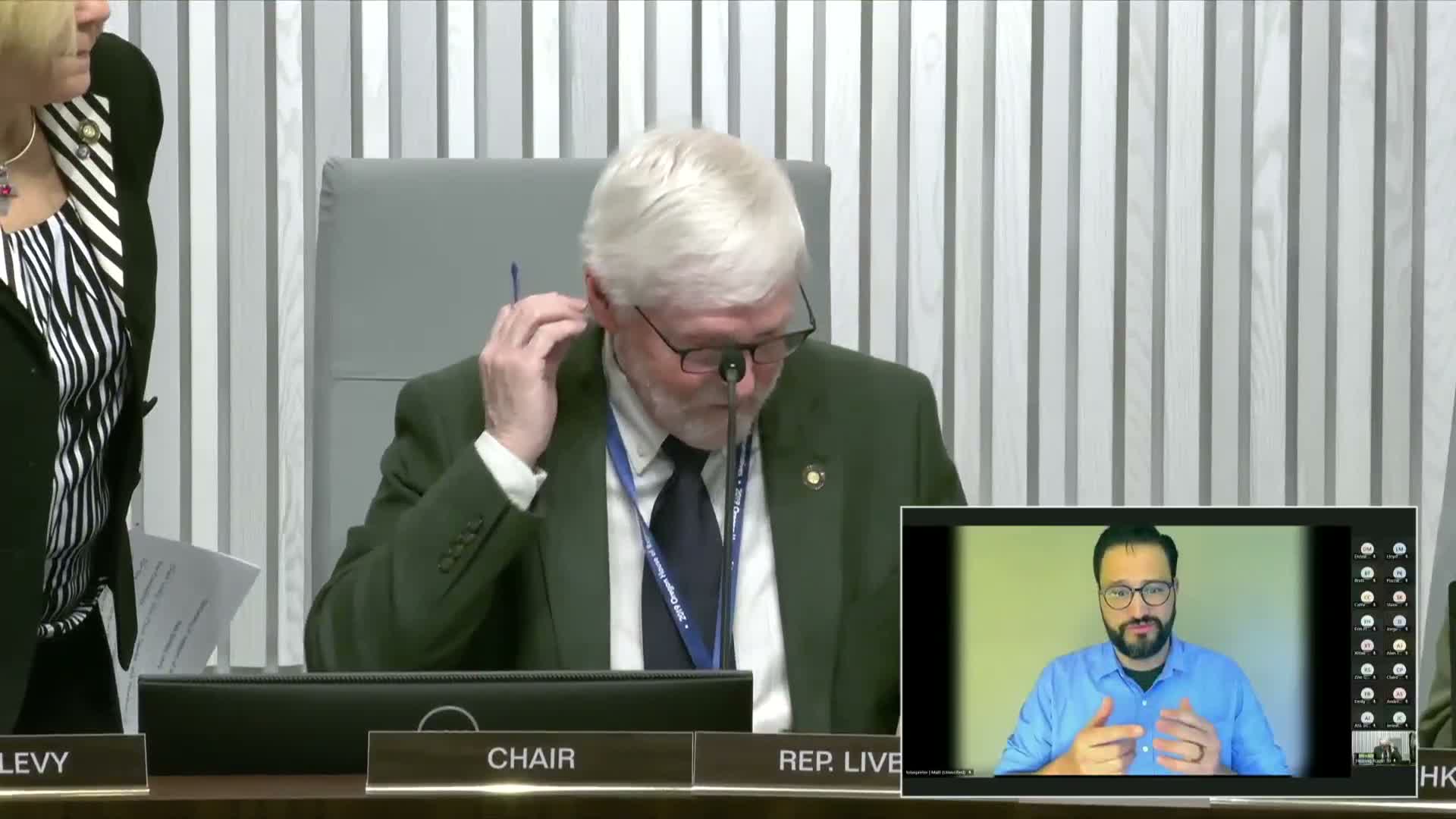
The House Committee on Climate, Energy and Environment heard hours of testimony Feb. 10 on House Bill 4,046, as amended, which would direct the Oregon Department of Energy to conduct a technical study of advanced nuclear reactors and create a nuclear energy study fund.
Supporters, including Representative Bobby Levy and Representative Boomer Wright, said the dash-2 amendment creates a balanced review of advanced nuclear options and is intended to provide policymakers with up-to-date technical information about feasibility, safety, siting, financing and waste management. Maureen McGee, representing Umatilla County and other local partners, told the committee the amendment is intended to ensure a transparent and objective study led by ODOE. "The integrity of the study is absolutely critical," she said.
Labor and industry witnesses — including Paul Elder of UA Local 290, Greg Miller of the League of Oregon Cities, Tucker Billman of the Oregon Rural Electric Cooperative Association, and Madison Schroeder of Generation Atomic — urged the committee to authorize the study to examine whether modern reactors could provide reliable, low-carbon baseload power, support workforce and economic development, and help address resource adequacy.
Opponents raised concerns about funding sources, independence, and community engagement. Senator Khan Pham said the bill "doesn't create a firewall between the funders and outcomes," and argued that allowing private and federal funding from parties with a direct interest could shape assumptions and conclusions. Kelly Campbell of Columbia Riverkeeper and Peter Bridal of Oregon PeaceWorks warned private funding would undermine public confidence; Bridal noted a recent ODOE energy study had already found nuclear too expensive to include in the state's strategy. Kathy Sampson Kruse, speaking on behalf of tribal interests, said affiliated tribes oppose nuclear development and cautioned that cultural and environmental harms could follow.
Other witnesses raised local-environment and environmental-justice concerns. Caleb Lay of Oregon Rural Action highlighted pollution and groundwater contamination in the Lower Umatilla Basin and opposed studies that could appear to facilitate siting projects serving industry growth there. Supporters said the bill does not authorize construction and only directs a study. Jonathan Bates, representing the Uranium Buyers Council, urged support and said the measure would allow ODOE to examine small modular reactors and their safety features.
The committee heard a mix of technical and value-based testimony about trust in the study process, who would fund it, and how affected communities would participate. Chair Lively closed the hearing when time expired; the bill will return for further committee consideration.