Get Full Government Meeting Transcripts, Videos, & Alerts Forever!
Get email alerts on the Preventive Coverage And Standing Orders topic
No spam. Unsubscribe anytime.
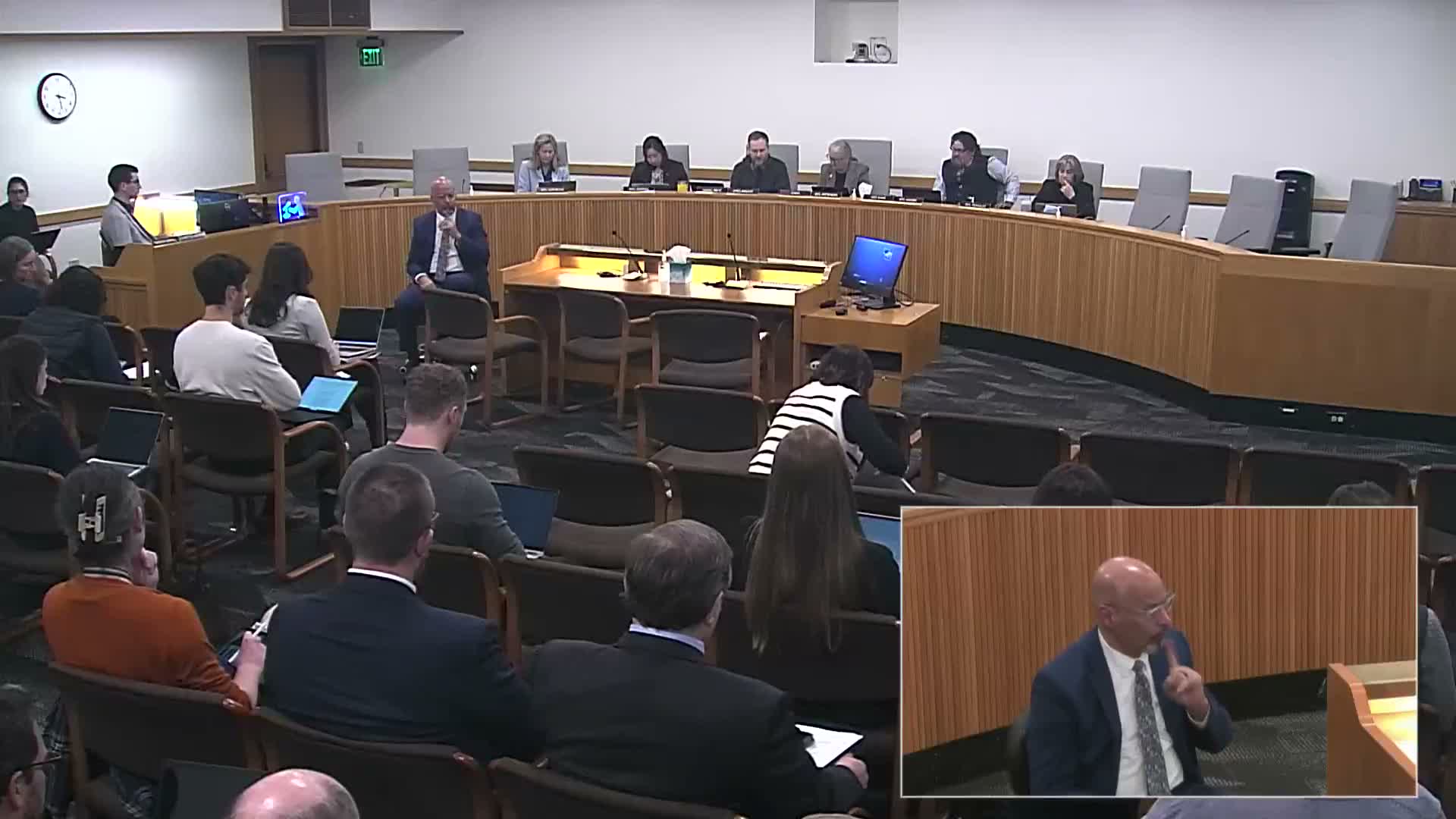
Committee hears wide support and some opposition for bill to require coverage of preventive services and standing orders
Summary
SB 1598 would require state‑regulated health plans to cover preventive services as of 06/30/2025 and allow the public health officer to issue standing orders; health providers, medical associations and insurers largely supported the bill for maintaining vaccine access, while some witnesses raised concerns about liability and scope.
Senate Bill 1598 drew extended testimony on Feb. 9 as advocates, public health officials and insurers described access problems after changes to federal vaccine guidance last year and urged the measure to preserve insurance coverage and practical access routes such as pharmacy vaccination and on‑site clinics.
Sponsor and supporters framed the bill as an insurance consumer protection. "This is a bill that we're really calling an insurance bill, aimed at consumer protection," said Sen. Lisa Reynolds, a pediatrician, who noted that confusion about federal recommendations disrupted access to COVID‑19 vaccines and other routine immunizations. Sen. Sarah Gelser Bluhm described families who were unable to get timely vaccines and said the bill preserves convenient access options like pharmacy vaccination.
Dr. Dean Seidlinger, the state public health officer, explained standing orders function like prescriptions that the public health officer can issue for a geographic area to allow rapid access during outbreaks and that standing orders do not compel providers or patients. "A standing order is essentially a name that kinda means a prescription," he said, adding standing orders have been used for naloxone and can bridge gaps when federal protocols are absent.
Insurance Commissioner TK Keane explained the Affordable Care Act requires coverage of evidence‑based preventive services and that the bill updates the federal guidance date to 06/30/2025; the bill would require state‑regulated health plans to cover OHA public health officer immunization recommendations within 15 days of publication. Keane described minimal operational fiscal impact for DFR.
Numerous medical societies, pediatricians and long‑term care providers testified in support, citing access, equity and operational reasons (on‑site clinics, pharmacies) and warning that requiring prescriptions or shifting coverage could create logistical barriers and additional costs for families. Regence Blue Cross Blue Shield's government relations director said the insurer supports uniform, predictable coverage standards across state‑regulated plans.
Opponents included a licensed naturopathic physician who argued the measure interferes with the doctor‑patient relationship, declared an unnecessary emergency, and raised concerns about liability and special‑case patients.
Committee members asked technical questions about which plans are covered (private insurers regulated in Oregon versus ERISA‑governed self‑insured plans) and liability protections for providers acting under standing orders. Sponsors and agency witnesses pledged to return with clarifications; the public hearing concluded with a deadline for written testimony and the committee adjourning until Feb. 11 for further consideration.