Get Full Government Meeting Transcripts, Videos, & Alerts Forever!
Get email alerts on the School Health Epinephrine topic
No spam. Unsubscribe anytime.
Senate committee advances bill to let schools use needle‑free epinephrine
Summary
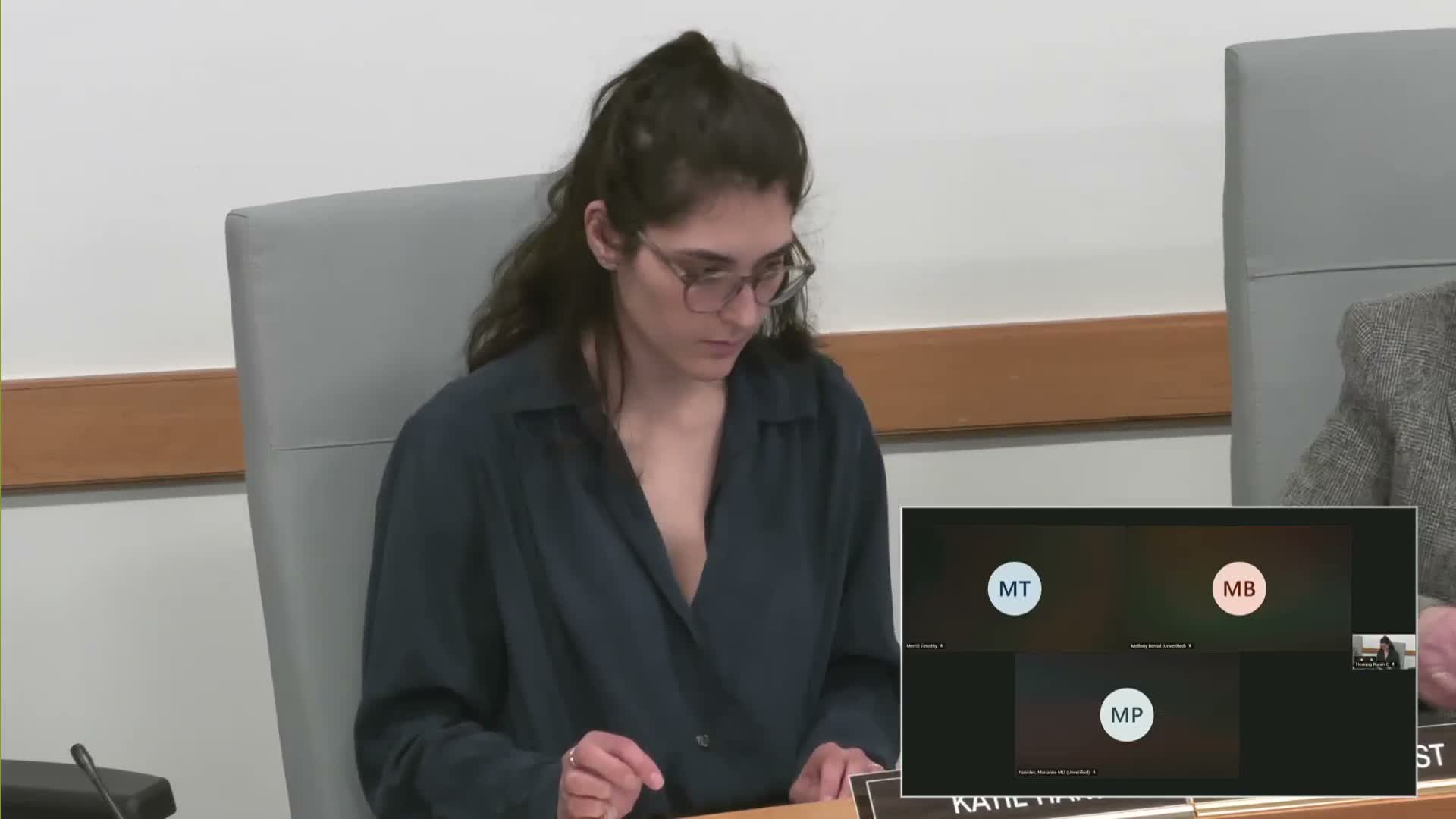
The Senate Committee on Health Care voted to send SB 1504 to the floor after testimony that the bill would let schools use premeasured epinephrine delivered by non‑injectable methods, strengthen training, and update liability protections; committee members recorded a unanimous 'do pass' recommendation during the work session.
Senate Bill 1504, which would allow schools to stock and administer premeasured doses of epinephrine by auto‑injector, nasal spray or other rule‑approved methods, was advanced by the Oregon Senate Committee on Health Care on Feb. 9.
Supporters, including Senate President Rob Wagner and sponsor Sen. Suzanne Weber, said the change modernizes school emergency care and could reduce hesitation by staff. "Expanding the methods of administration can mean faster treatment, less hesitation from staff and better outcomes for students," Wagner told the committee. Weber said the bill "allows for the distribution of a premeasured dose" and noted newer technologies such as nasal spray could help staff respond more quickly.
Kylie Desmond, a Lake Oswego student with a life‑threatening food allergy, told the committee that requiring schools to stock at least one FDA‑approved emergency epinephrine system would promote equitable access to lifesaving treatment. "Passing SB 1504 is an evidence‑based step that will save lives," she said.
Adrienne Anderson of the Oregon School Boards Association testified the association supports the bill and does not expect a fiscal burden for districts; the measure includes rulemaking authority so the state board can adopt future delivery updates without returning to the Legislature. Committee staff noted a fiscal analysis and revenue analysis posted to OLIS showing minimal fiscal impact and no revenue impact.
During a subsequent work session Vice Chair Hayden moved SB 1504 to the Senate floor with a "do pass" recommendation. The roll call recorded affirmative votes and the motion passed; the committee assigned Senator Wagner as carrier for the measure.
The committee did not change the bill text during the work session and indicated the measure is ready to be scheduled for floor consideration. The posted analyses and sponsor testimony framed the change as clarifying that the law covers any FDA‑approved premeasured delivery method, not only auto‑injectors. The committee recorded a formal action to send SB 1504 to the floor; next steps are scheduling and any potential floor amendments.