Get Full Government Meeting Transcripts, Videos, & Alerts Forever!
Get email alerts on the Human Trafficking Evidence topic
No spam. Unsubscribe anytime.
Advocates and survivors press for narrow hearsay exception for trafficking victims; sex‑worker groups warn of harms (HB 4,157)
Summary
Supporters said HB 4,157, which would allow certain out‑of‑court statements by trafficking victims within 24 hours to be admitted if reliable, would help prosecutions when survivors cannot safely testify. Opponents, including sex‑worker advocacy groups, urged excluding 'promoting prostitution' from the exception and called for more stakeholder engagement.
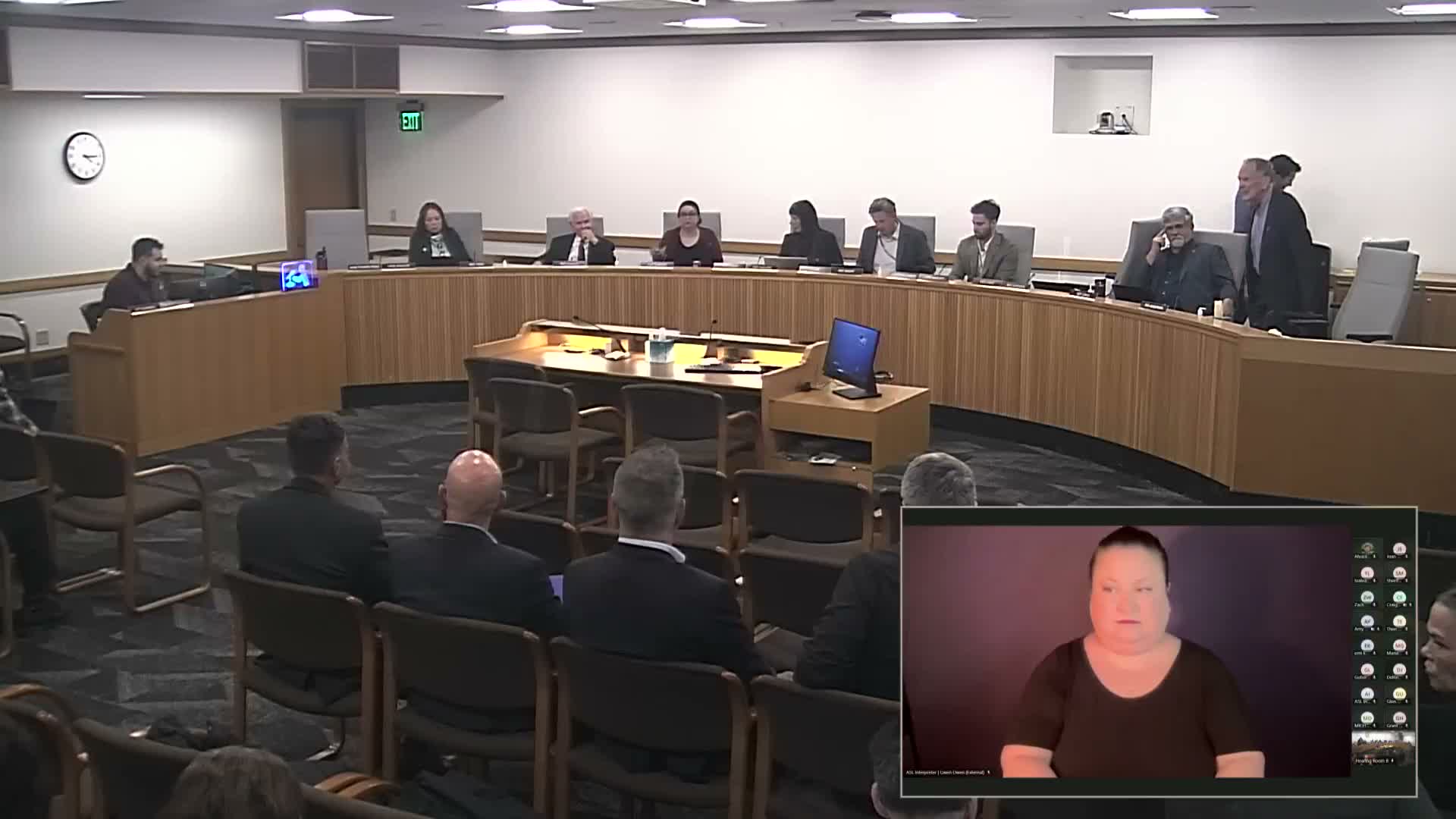
The House Judiciary Committee heard more than five hours of testimony Monday on House Bill 4,157, a proposal to create a limited hearsay exception for victims of human trafficking and certain related crimes.
Representative Thuy Tran, the bill sponsor, said the measure is narrowly targeted to ensure reliable, recorded statements or those made to trained professionals within 24 hours of a commercial sex act can be admitted when a survivor cannot safely appear in court. "We are essentially allowing traffickers to benefit from the very trauma they inflict," Tran said, urging a due‑pass recommendation.
Survivors and advocates described the pressures that prevent testimony and said early statements are often the most truthful. Robin Miller, a survivor and advocate, said survivors frequently recant out of fear and coercion and that the proposal preserves judicial safeguards: "Judges still have to judge. Prosecutors still have to prove cases."
Prosecutors including JR Ujifusa and Joel Shapiro supported the measure, saying it mirrors the domestic‑violence hearsay exception and contains reliability gatekeeping. They cited case-law context including Crawford v. Washington when explaining testimonial versus non‑testimonial statements and said judges remain the gatekeepers.
Opponents — including Andrea Matheny and other members of Sex Worker Affirming Advocates and national groups — urged the committee to remove "promoting prostitution" from the list of offenses covered by the exception. They argued that broad application could criminalize drivers, safe contacts and people who support survivors, and that the bill lacked meaningful consultation with BIPOC sex‑worker organizations.
Committee members asked prosecutors and proponents to explain confrontation‑clause issues and to show how the provision would operate in practice. Proponents pointed to examples where recorded statements, texts and non‑testimonial communications could be admissible while acknowledging limits where confrontation protections apply. The hearing record closed without committee action on Feb. 9.