Get Full Government Meeting Transcripts, Videos, & Alerts Forever!
Get email alerts on the Public Safety Swatting topic
No spam. Unsubscribe anytime.
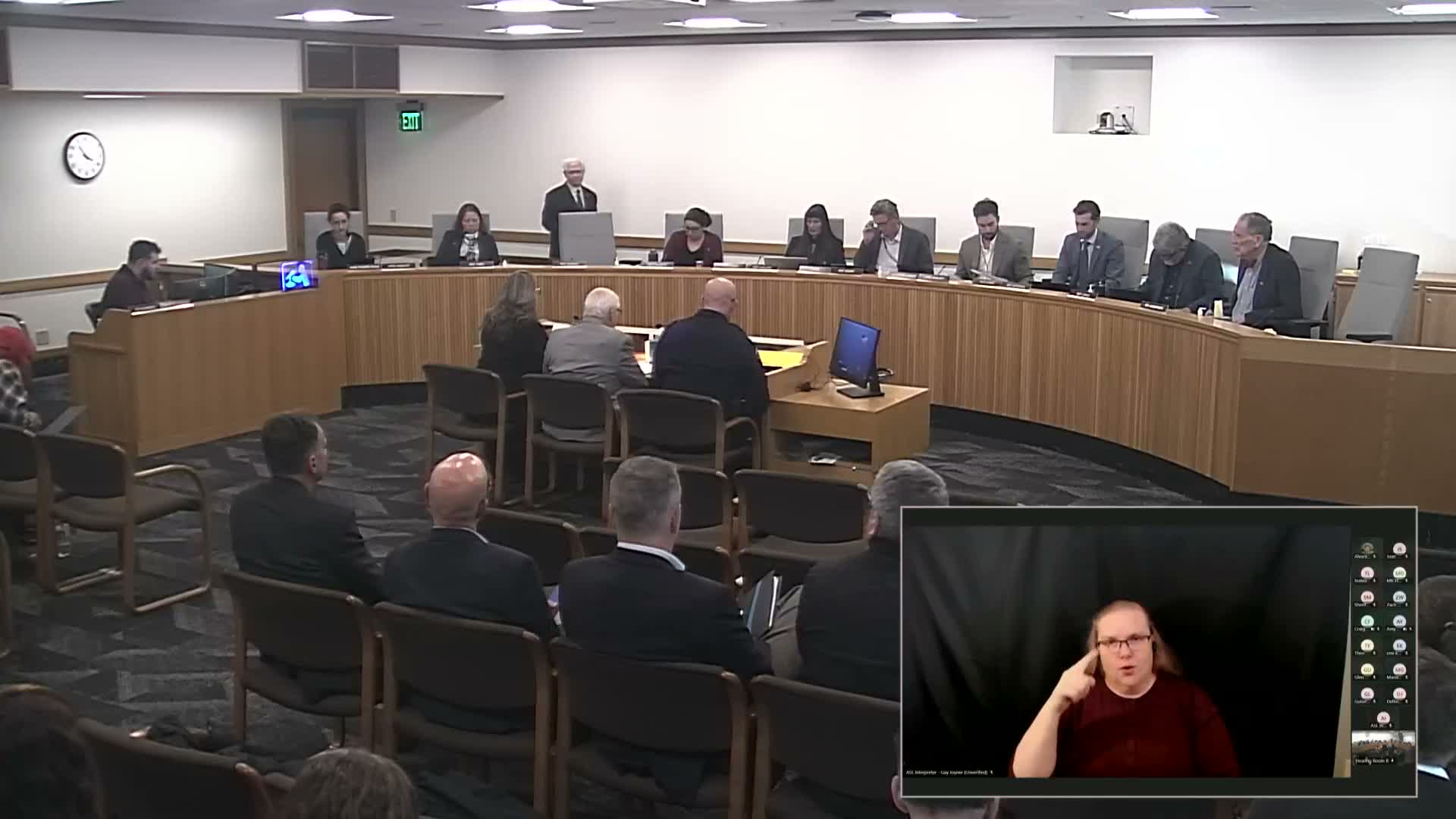
Law enforcement recounts trauma of swatting; committee hears competing views on felony penalties (HB 4,151)
Summary
Supporters, including law enforcement and district sheriffs, described traumatic swatting incidents and urged HB 4,151 be amended to allow felony charges when hoaxes intentionally trigger enhanced responses and lead to death or serious injury; defenders and civil‑liberty groups urged caution, questioning incidence data and the breadth of proposed definitions.
The House Judiciary Committee heard testimony Monday on House Bill 4,151, which would create a new class C felony for conduct that intentionally triggers an "enhanced law-enforcement response" and recklessly causes serious injury or death.
Sponsor Representative Darcy Edwards said the measure was developed to address "swatting," where hoax calls summon heavily armed responses to an innocent person's location. She cited past incidents that disrupted schools and endangered bystanders. "By increasing accountability in the most severe cases," she said, "those causing real physical harm or death will face more appropriate penalties."
Todd Angstrom, chief of Silverton Police and representing chiefs' associations, played a short dispatch audio clip from an April 2025 swatting call that led to a school lock‑down and described the ensuing trauma and the safety risks when dozens of officers respond with guns drawn.
Proponents argued the bill is narrowly tailored by amendments to focus felony exposure on cases where the caller intentionally provokes an enhanced response and causes serious harm. Opponents including Grant Hartley of the Metropolitan Public Defenders cautioned the committee that accurate frequency data on high‑level swatting events is lacking and warned the definition of "enhanced response" could be overbroad — potentially capturing routine multi‑officer responses.
Committee members heard cost estimates offered by Representative Boomer Wright (supporting passage), who asserted single swatting events could cost $10,000 to $25,000 for deployment and follow-up, while defense witnesses proposed non‑criminal responses (education, training, opt‑in victim flags) as alternatives.
No committee action was taken on the bill during the Feb. 9 session; the public hearing record closes and the bill remains under committee consideration.