Get Full Government Meeting Transcripts, Videos, & Alerts Forever!
Get email alerts on the Threats To Public Officials topic
No spam. Unsubscribe anytime.
Committee hears emotional and legal debate on bills adding threats to public officials to aggravated harassment
Summary
Witnesses described real threats to elected officials and public-safety concerns supporting SB 1516/SB 1530; defense and civil-rights groups warned the aggravated-harassment language could be vague or unconstitutional without clear imminence or alarm standards. Testimony also addressed pretrial-release changes in SB 1516.
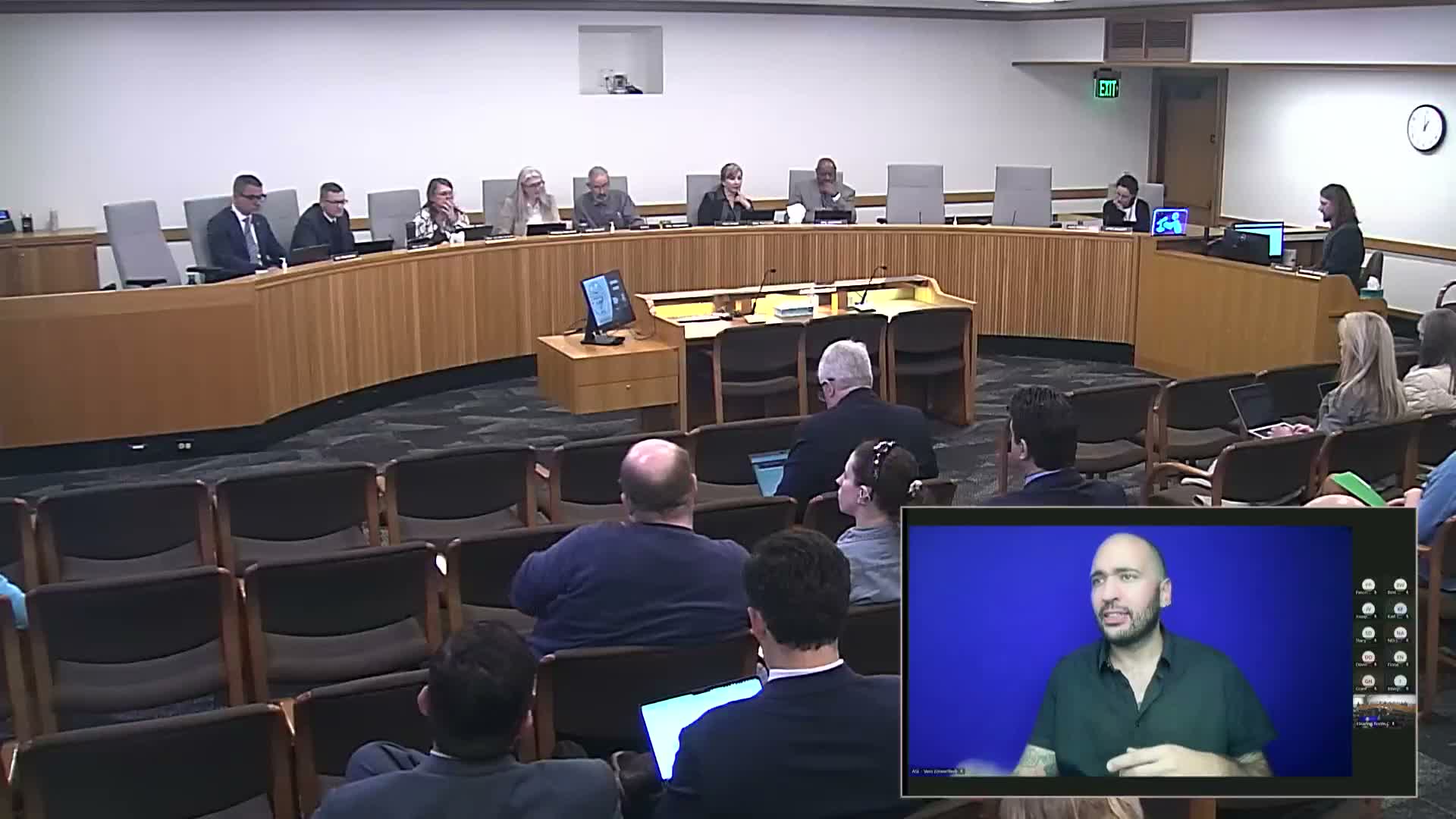
The Senate Committee on Judiciary held a lengthy public hearing on bills that would add threats to public officials to the crime of aggravated harassment and make related changes to pretrial-release procedures.
Supporters included a county commissioner who described repeated threats and stalking after taking office and municipal representatives who cited a Department of Justice assessment that the proposed language should survive a Rangel constitutional test when courts read 'alarm' consistent with precedent. Scott Winkles of the League of Oregon Cities and Ethan Nelson of the City of Eugene said the bills close gaps in existing harassment and menacing statutes and move some threatening conduct into a more serious aggravated-harassment category.
Opponents included Grant Hartley (Multnomah County Director for Metropolitan Public Defenders / representing the Oregon Criminal Defense Lawyers Association), who argued the pretrial-release language is unnecessary and that the aggravated-harassment provision may be unconstitutional because of vagueness and the lack of a clear imminence standard. Hartley warned that the change could chill political speech and duplicate existing menacing offenses. Several senators and witnesses discussed borrowing standards from stalking and protective-order law to clarify when speech crosses into a criminal threat.
Separately, Chad Marlowe of the ACLU was granted time to speak in person about an amendment concerning automatic license-plate reader (ALPR) data retention; Marlowe urged much shorter retention periods (10 days or less) and highlighted risks to immigrants and protesters if location data is retained for 30 days.
The committee took testimony from municipal, nonprofit, defense-bar and individual witnesses and indicated related testimony would be carried over to a next hearing on a companion bill. No vote was taken during the public hearing.