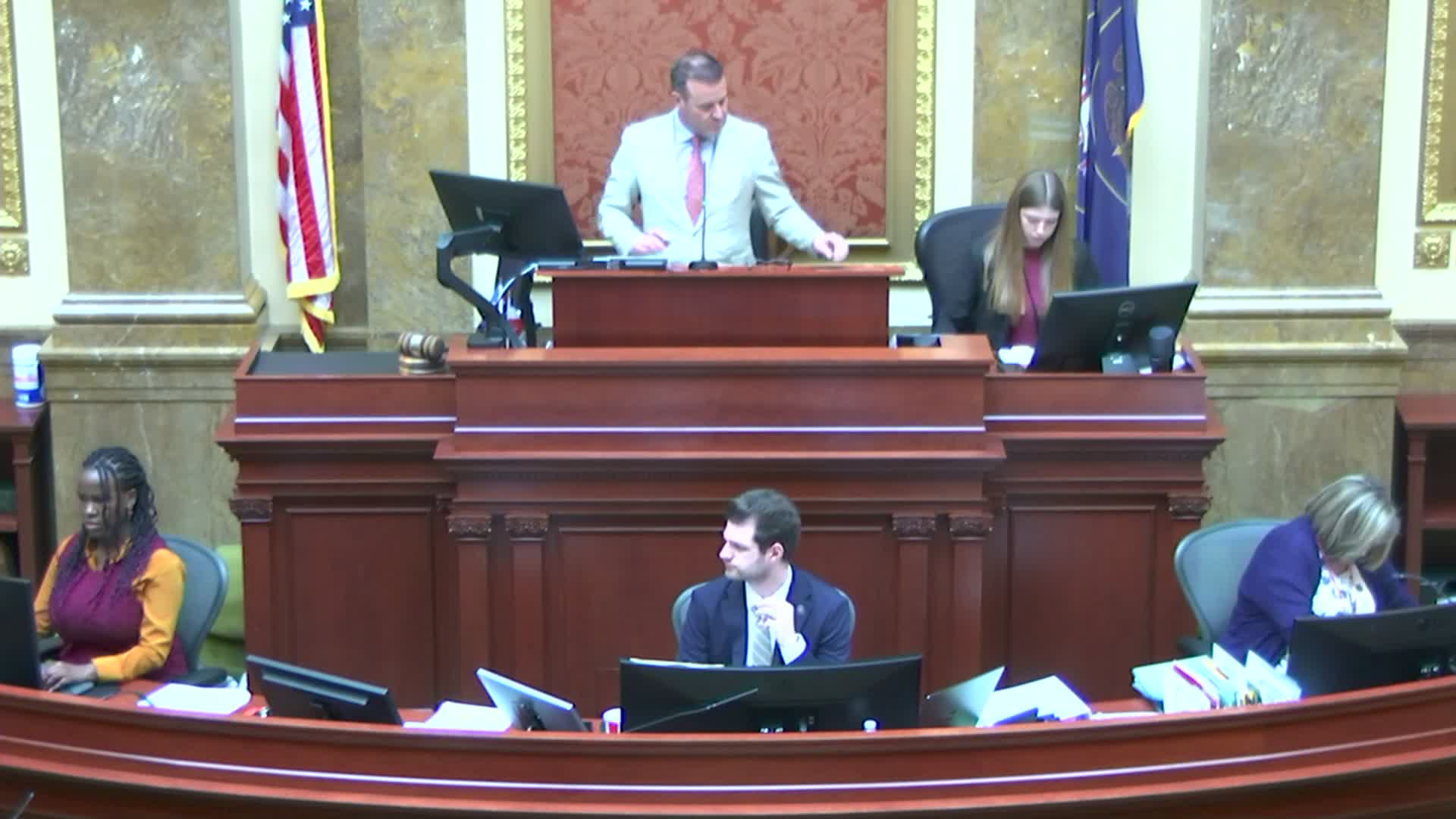
House approves higher tobacco and nicotine taxes to fund prevention and cessation
Loading...
Summary
The House passed second-substitute HB 337 adjusting tobacco taxation (including bringing nicotine pouches and e-cigarettes under revised tax rates) to fund prevention and cessation programs; supporters cited health-care cost savings, opponents warned of affordability and black-market risks. Vote: 47–20.
Representative Sam Clancy presented the second substitute to HB 337, a revenue and public-health measure that increases taxes on combustible tobacco and adjusts the tax treatment of emerging nicotine products (moving nicotine pouches into the e-cigarette tax category at a 56% rate under the substitute). Clancy said the goal is to deter initiation, help adults quit, and fund programs such as quit lines and youth prevention efforts.
Sponsors and supporters invoked public-health and fiscal arguments: Representative Eliason and Representative DeFe cited data on smoking-related costs, including Medicaid spending and estimated healthcare burdens, and a figure (cited on the floor) that a $2-per-pack increase could lead to an estimated 6,000 Utahns quitting. Representative Eliason emphasized that tax revenue would flow to prevention, cessation, and related programs. Opponents, including Representative Colford, raised affordability concerns and warned of black-market effects if rates climb substantially.
Representative Clancy said the second substitute reduced some earlier proposed increases (moving the proposed cigarette tax increase from $2 to $1.75 in earlier drafts and aligning nicotine pouches with e-cigarette taxation) and highlighted support from public-health groups such as the American Cancer Society and the American Heart Association. After floor debate and summations, the House passed the second substitute by roll-call, 47–20, and the bill will be transmitted to the Senate.
What happens next: HB 337 will move to the Senate for consideration; implementing rules and fiscal notes may follow in committee. Supporters expect revenue to be earmarked for prevention and cessation efforts; opponents may press concerns about cross-border purchases and black markets.
Representative quotes: "If you want less of something, tax it," Representative Eliason said in support; Representative Colford cautioned against unduly burdening families on affordability grounds.