Lifetime Citizen Portal Access — AI Briefings, Alerts & Unlimited Follows
House rejects expanded candidate disclosure requiring old tax liens and convictions
Loading...
Summary
The House defeated first-substitute HB 4 46, which would have required candidates and appointees to disclose unresolved tax liens over $500 (unresolved for at least two years) and certain criminal convictions; supporters said it informs voters, opponents called it prejudicial. Vote: 27–37.
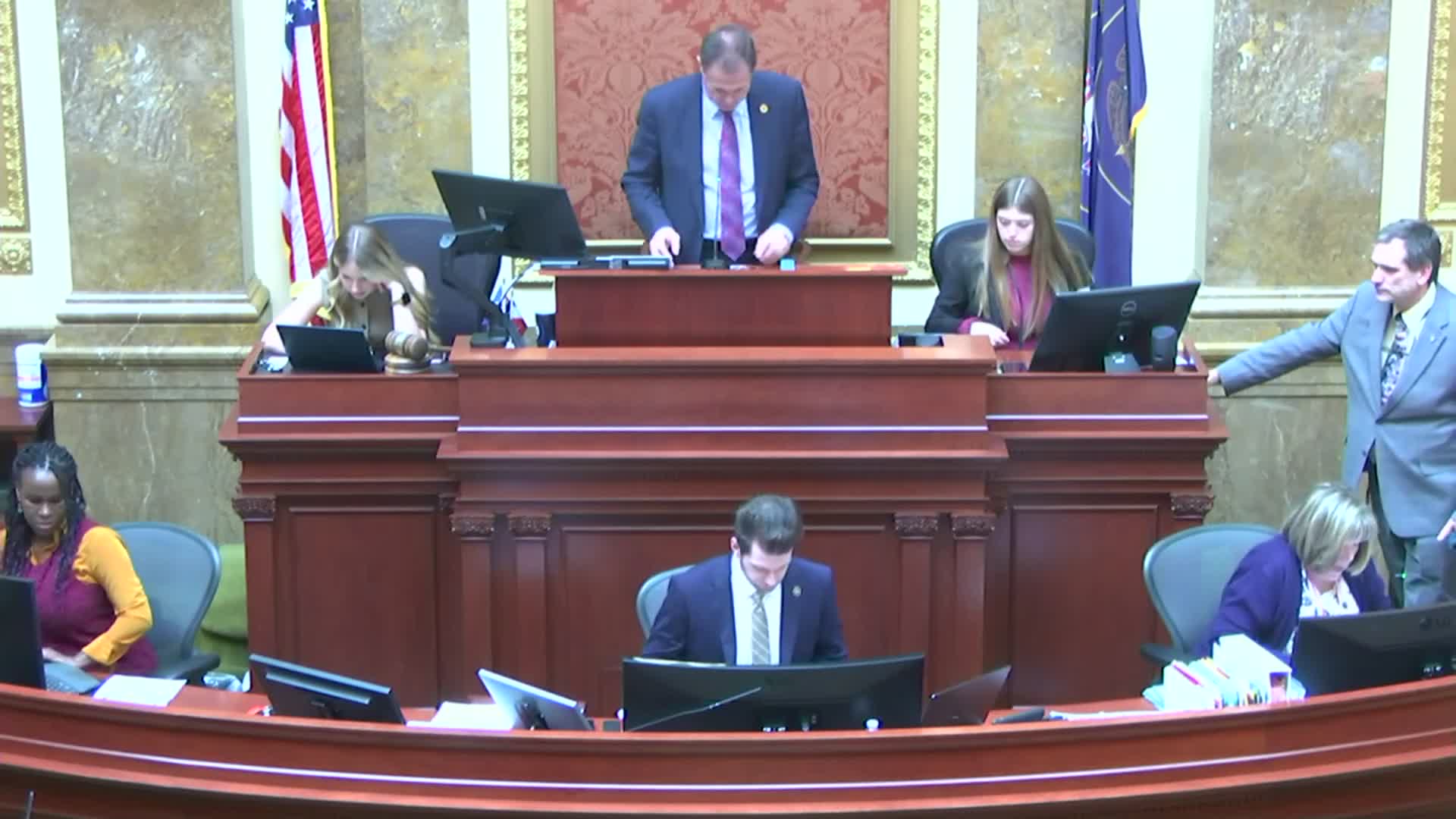
Representative Acton brought first-substitute House Bill 4 46 to the floor, proposing expanded candidate disclosures requiring the self-reporting of unresolved tax liens exceeding $500 (unresolved for at least two years) and certain criminal convictions unless expunged, juvenile, traffic-related, or minor class C misdemeanors. Acton framed the measure as a voter-information bill intended to make background information easier to find without forcing voters to do their own searches.
Supporters, including Representative Cutler, said more disclosure would improve public trust and allow voters to make informed choices. Acton noted the practical limits of public records access, saying fees and firewalls can make court and tax records hard to retrieve and that the proposal gives candidates space to explain circumstances.
Opponents pressed on civil liberties and fairness. Representative Thurston asked whether tax liens or criminal records inherently signal a conflict of interest and warned the requirement could be prejudicial or amount to self-incrimination for incidents decades ago. Thurston said the measure conflated conflicts of interest with background information and questioned whether mandatory disclosure was appropriate when records are already public. Other speakers echoed concerns about fairness and the administrative burden or stigma for candidates who resolved past issues.
After discussion and a brief summation by the sponsor, the House opened and closed the roll call. The first substitute received 27 yea votes and 37 nay votes and therefore failed; the clerk recorded the bill as referred to staff for filing. The chamber did not adopt a substitute or further amendments on the floor.
What happens next: Because the substitute failed on the floor, HB 4 46 will not advance in its first-substitute form and will be docketed per House practice for staff filing. Any future action would require reintroduction or referral from committee.
Quotes: "This is a voter information bill," Representative Acton said in support. Representative Thurston said the bill risks forcing "people to self-incriminate in a way that's just really not fair."