
Senate debate heats up over bill to allow "natural organic reduction" of human remains
Get AI-powered insights, summaries, and transcripts
Sign Up Free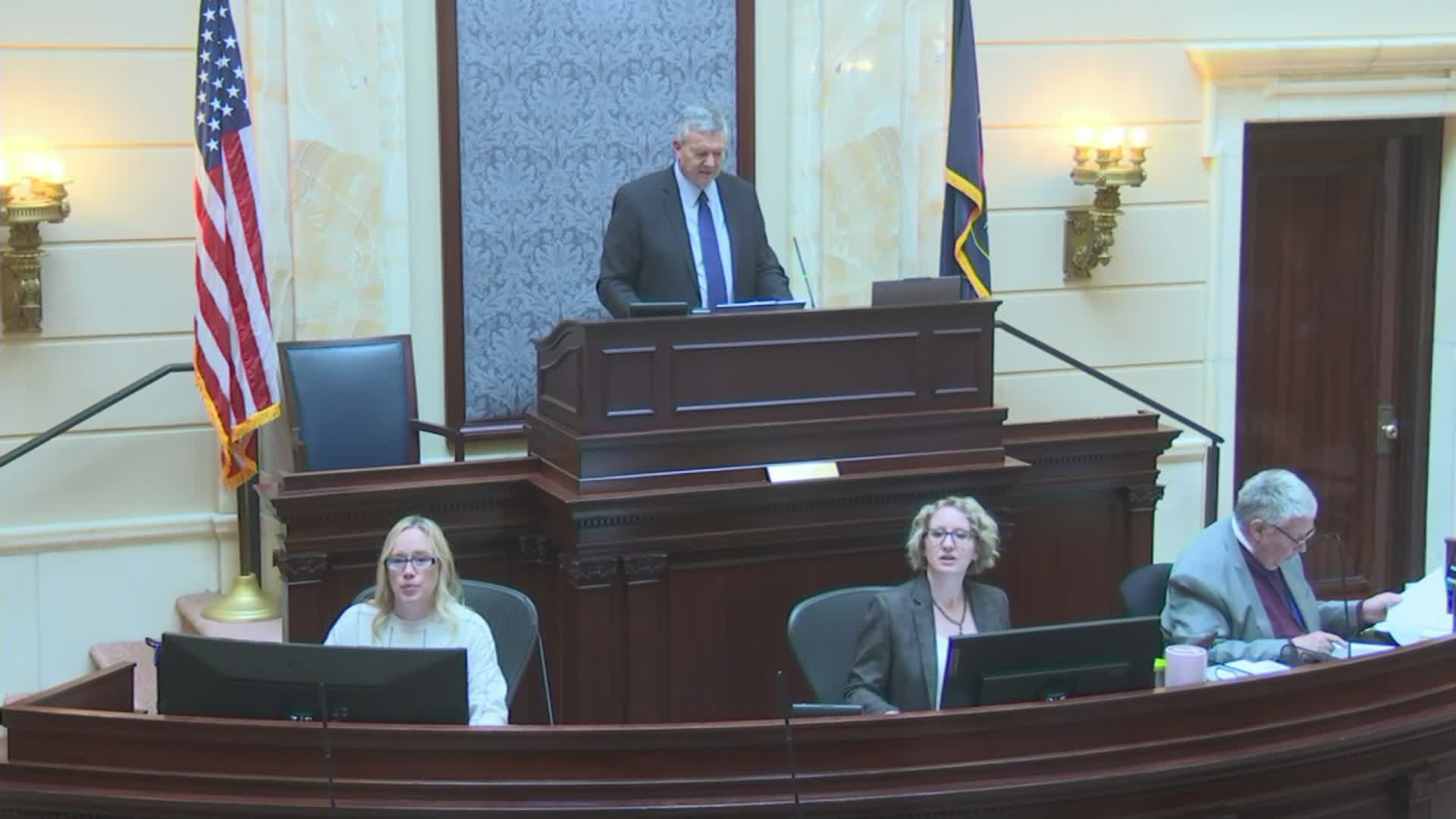
Summary
Senate debate on a bill authorizing natural organic reduction (human composting) centered on funeral‑industry concerns, public‑health guardrails, and a prohibition on using soil from the process to grow food for human consumption; the bill was circled for amendment and further consideration.
A contentious floor discussion unfolded over Second Substitute Senate Bill 49, which would establish guardrails for "natural organic reduction" — an alternative to burial or conventional cremation that returns human remains to soil through a controlled process.
Sponsor Senator Plumb framed the measure as establishing state policy so Utah can set standards rather than leaving the practice unregulated. Key sponsor provisions discussed included requirements for a removable container, notice of location, clear disclosure, and prohibitions on certain uses of resulting soil. Plumb said the bill explicitly disallows recording interests that would cloud real‑estate title and pointed to 14 other states that have enacted similar frameworks without major litigation.
Floor questions focused on liability and industry impacts. Senators representing real‑estate and funeral‑service interests asked whether the bill would require recording a notice with county recorders (the sponsor replied it would not) and whether using the soil produced to grow food would be permissible. An amendment banning commercial use of such soil for food production was explained as a comfort measure added at colleagues’ request, not because of evidence of harm. Several senators urged a pause to allow absent colleagues to consider a pending senate amendment; the body voted to circle (delay) the bill to ensure the author and affected senators could finalize amendment language.
Why this matters: The bill touches on cultural, environmental and public‑health considerations while also affecting funeral‑industry business practices and property law (notice/recording). The issue drew sustained floor time and multiple procedural motions to circle so sponsors and interested members can refine language.
Status: The bill was circled for amendment and further consideration later in the session.