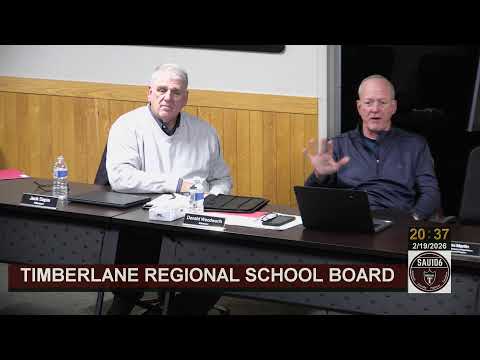
Petitioners and committee clash over proposed tax‑cap language at Timberlane hearing
Loading...
Summary
At a public hearing the original tax‑cap petitioners urged a 2.5% cap to stabilize taxes while committee members and several commenters warned a cap at that level would constrain district operations; petitioners said the filed article had been altered and urged a no vote on the amended language.
The Timberlane Regional School District opened a public hearing on a proposed tax‑cap warrant article where petitioners argued for a 2.5% cap and urged voters to reject an amended version they described as effectively meaningless.
Noah Pelletier and Nolan McCallitiner, the original petitioners, told the board the intent of the petition was to give taxpayers a restraining mechanism to prevent large year‑to‑year increases and to encourage prudent budgeting. Pelletier said the change in language from a 2.5% cap to what petitioners described as a much larger percentage had undercut the measure’s purpose and asked residents to vote no on the amended article.
Board members who served on last year’s tax‑cap study committee said the committee only studied a 2.5% cap and found it would create significant uncertainty in the budget process, potentially disabling the district’s ability to make timely operational decisions. A committee member reported the petitioner was part of the committee and agreed with the committee’s findings.
Several public commenters opposed imposing a cap. One speaker, Larry Guaido, said limiting the district’s flexibility could prevent the board from addressing maintenance or staff needs when they arise. Another speaker stressed the Timberlane Regional High School and the school board do not recommend the amended article and urged voters to consider that recommendation.
The hearing record shows disagreement about both the policy merits of a tax cap and the final language presented for the ballot. The chair closed the tax‑cap hearing at 6:11 p.m. and moved the meeting into recess pending a subsequent articles hearing.
The board did not take a formal vote on any change to policy during the hearing; the session served as a public record of arguments for and against the warrant article and of the committee’s findings.