
Banking groups push for laws to curb spoofed calls, impersonation ads and crypto kiosks
Get AI-powered insights, summaries, and transcripts
Subscribe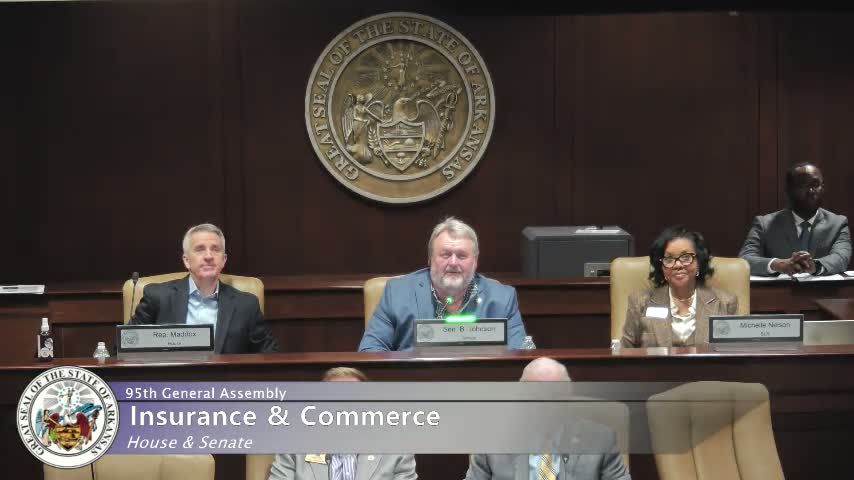
Summary
Industry representatives told lawmakers telecom spoofing, paid impersonation ads on social platforms, and unregulated crypto kiosks are key enablers of scams and asked the Arkansas Legislature to consider state-level accountability measures and share model bills from other states.
Industry witnesses told the joint Insurance and Commerce committee that scams increasingly rely on telecom spoofing and paid impersonation advertisements on social platforms, and that cryptocurrency kiosks can quickly move funds offshore, limiting recovery.
Paul Bena of the American Bankers Association described transnational scam operations that use spoofed caller ID and perfectly tailored, AI-generated emails and websites to trick consumers. "There's no reason that a telecom should be enabling a criminal to present a bank's +1 800 number," he said, adding that social platforms often leave impersonation ads up while they evaluate reports.
Bank representatives praised a 2025 Arkansas law that placed a regulatory framework around crypto ATMs and said that measure directly enabled banks and local law enforcement to recover funds in some cases. Brandon Moss of First Security Bank said the state action helped recover about $250,000 for customers who had deposited funds at kiosks.
Witnesses proposed several policy options for the committee to consider: expanding reporting and notice requirements for kiosk operators; authorizing faster information-sharing between kiosks, banks and the AG’s office; and state-level liability or civil remedies for platforms that knowingly host deceptive ads. Witnesses also said federal measures — including a proposed federal ‘‘scam act’’ under discussion in Congress — could help by clarifying immunity questions under Section 230 of the Communications Decency Act.
Committee members asked staff to collect model bills and examples from other states; witnesses said they would share tracking material on successful state measures. The committee did not advance any bills at the hearing.