
Lawmakers hear mounting evidence of tech-driven financial fraud in Arkansas
Get AI-powered insights, summaries, and transcripts
Sign Up Free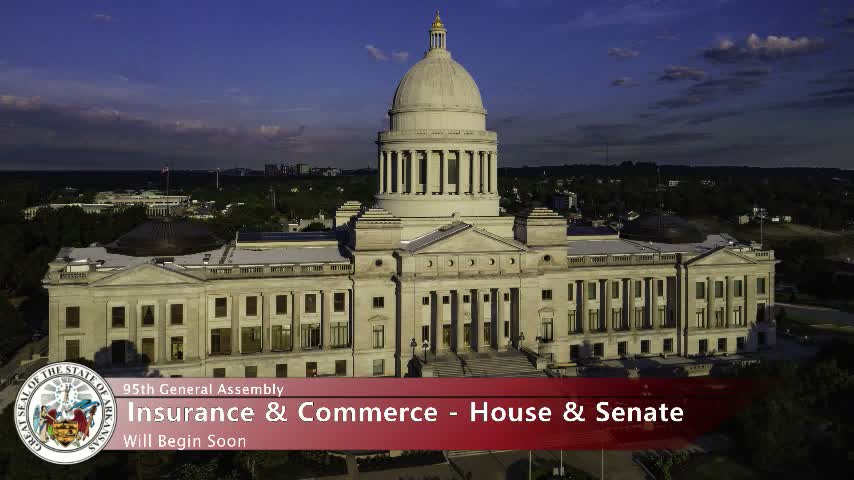
Summary
Bankers, regulators and law-enforcement officials told a joint Insurance and Commerce committee that technology-enabled scams — from spoofed calls to crypto kiosks and AI-generated impersonations — are increasing losses in Arkansas and urged coordinated state and federal responses.
A joint committee of the Arkansas House and Senate on Friday heard testimony from bankers, the attorney general's office, insurance investigators and consumer advocates warning that financial fraud in the state is growing and becoming more sophisticated.
Chair opening remarks framed the hearing as a response to ‘‘organized technology-driven schemes’’ targeting seniors, small businesses and working families. Lori Trogdon of the Arkansas Bankers Association told lawmakers the 2024 FBI report recorded 4,238 fraud incidents in Arkansas, with $51.8 million in reported losses and roughly 40 percent of those payments facilitated through cryptocurrency, which she said makes recovery ‘‘much more difficult.”
Representatives of banks described common tactics: spoofed bank telephone numbers and email addresses, fake websites and social-media ads, romance and tech-support scams, and frauds that start with job postings or phony sweepstakes. Paul Bena of the American Bankers Association said U.S. loss estimates vary by source but that fraud has surged nationwide and now operates on an industrial, transnational scale.
The attorney general’s consumer-protection staff described a state financial fraud task force created in April 2025 that meets quarterly with bankers and other stakeholders to share investigations and expedite recoveries. Shameka Johnson, an investigator in the AG’s consumer protection division, described several recent recoveries, including a $16,000 return after coordination with a crypto-kiosk operator.
Insurance investigators and mortgage industry representatives told the committee that different sectors face different frauds — from staged auto claims and forged insurance binders handled by the Insurance Department’s criminal investigators to wire and title-company compromises targeting real-estate closings.
Lawmakers asked how victims should report scams and how local law enforcement can escalate multi-jurisdictional cases; witnesses recommended filing complaints with the FBI/IC3, the state AG’s office and the relevant financial institution, and said local police often refer larger or cross-border cases to state or federal authorities.
The committee made no formal policy decisions at the hearing. Members and witnesses urged continued information-sharing, public education campaigns and consideration of legislation to hold telecom and social-media platforms to greater account for facilitating impersonation and deceptive ads. The chair closed the session and said the committee will revisit developments as new laws are enacted.