Get Full Government Meeting Transcripts, Videos, & Alerts Forever!
Get email alerts on the School Health Safety topic
No spam. Unsubscribe anytime.
House committee hears broad support for bill requiring cardiac emergency plans, AED access in schools
Summary
Lawmakers and medical groups urged support for HB 4160, which would require K–12 schools to adopt cardiac emergency response plans aligning with national standards, ensure AEDs are accessible and maintained, and train staff; stakeholders urged clarity on funding and timelines.
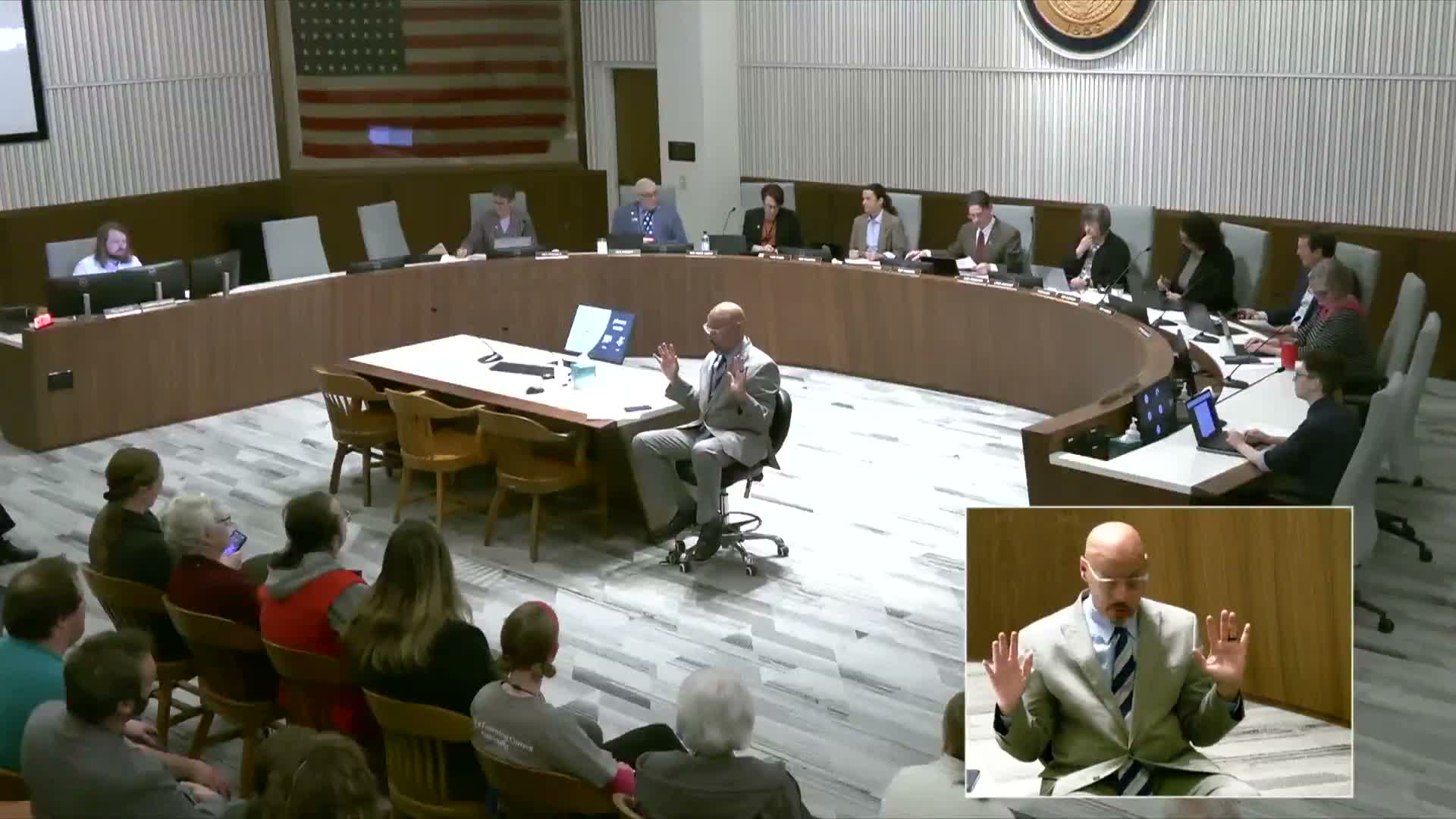
A House Committee on Education public hearing on Feb. 11 heard testimony urging passage of House Bill 4160, a measure that would require every K–12 school in the state to adopt a cardiac emergency response plan that specifies AED placement, maintenance and staff training.
Supporters, including the bill sponsor, Representative Wright, the American Heart Association and pediatric cardiologists, said the bill focuses on preparedness rather than a new unfunded mandate. "Survival depends on minutes, on recognition, CPR, rapid access to AEDs," Representative Wright told the committee, arguing the measure preserves local control while ensuring clear plans and routine maintenance.
Medical witnesses and survivors described real incidents in which working AEDs and trained bystanders made the difference between life and death. Darren Harvick, a state representative, recounted a case at McKinsey River Community School where a trained staff member and a functional AED helped revive a collapsed teacher. Fifteen-year-old Caleb Ware, who lives with congenital heart defects, urged lawmakers to ensure every school is prepared so other students are protected if a silent condition becomes an emergency.
The American Heart Association’s Christina Baudemer told the committee Oregon already requires at least one AED on each campus (citing ORS 339.345) but that placement, visibility, maintenance and integration of trained responders into a practiced plan are not always specified. She said the bill updates existing law to align written emergency plans with nationally recognized evidence-based standards and to require that AEDs be clearly marked, unlocked and accessible during school hours and extracurricular activities.
School associations and athletic bodies did not oppose the bill but pressed for implementation funding and a reasonable timeline. Morgan Allen of the Coalition of Oregon School Administrators and Adrienne Anderson of the Oregon School Boards Association highlighted likely fiscal impacts: AED units generally cost about $1,500–$2,000 each, and some large campuses will need more than one device after a site-specific plan determines placement. OSAA raised concerns about logistics (including unlocked AEDs being vulnerable to theft), training costs for thousands of coaches and coordination with existing athletic guidance.
Committee members noted a -1 amendment that would delay the bill’s effective date by one year (to 07/01/2027) and asked about resources and grants; witnesses pointed to nonprofit and donation programs, previous appropriations for similar proposals, and local fundraising that has supplied AEDs in some rural schools.
No formal action was taken on HB 4160 during the Feb. 11 meeting; the public hearing concluded with proponents urging the committee to move the bill forward so districts are not left relying on ad hoc preparedness.
The measure’s next steps will be determined by the committee’s scheduling; supporters pressed for clarity on funding and the one-year implementation delay so districts can create plans that identify needed equipment and training.