Get Full Government Meeting Transcripts, Videos, & Alerts Forever!
Get email alerts on the Rural Rezoning topic
No spam. Unsubscribe anytime.
Rural rezoning pilot draws broad support from counties and strong opposition from land-use advocates
Summary
SB 15 78 would let qualifying rural counties rezone up to 50 acres outside urban growth boundaries for housing and relax certain ADU rules; county leaders largely supported the opt-in pilot as a local-control tool, while conservation and farm groups warned it risks farmland loss, water impacts, wildfire risk and speculative pressure.
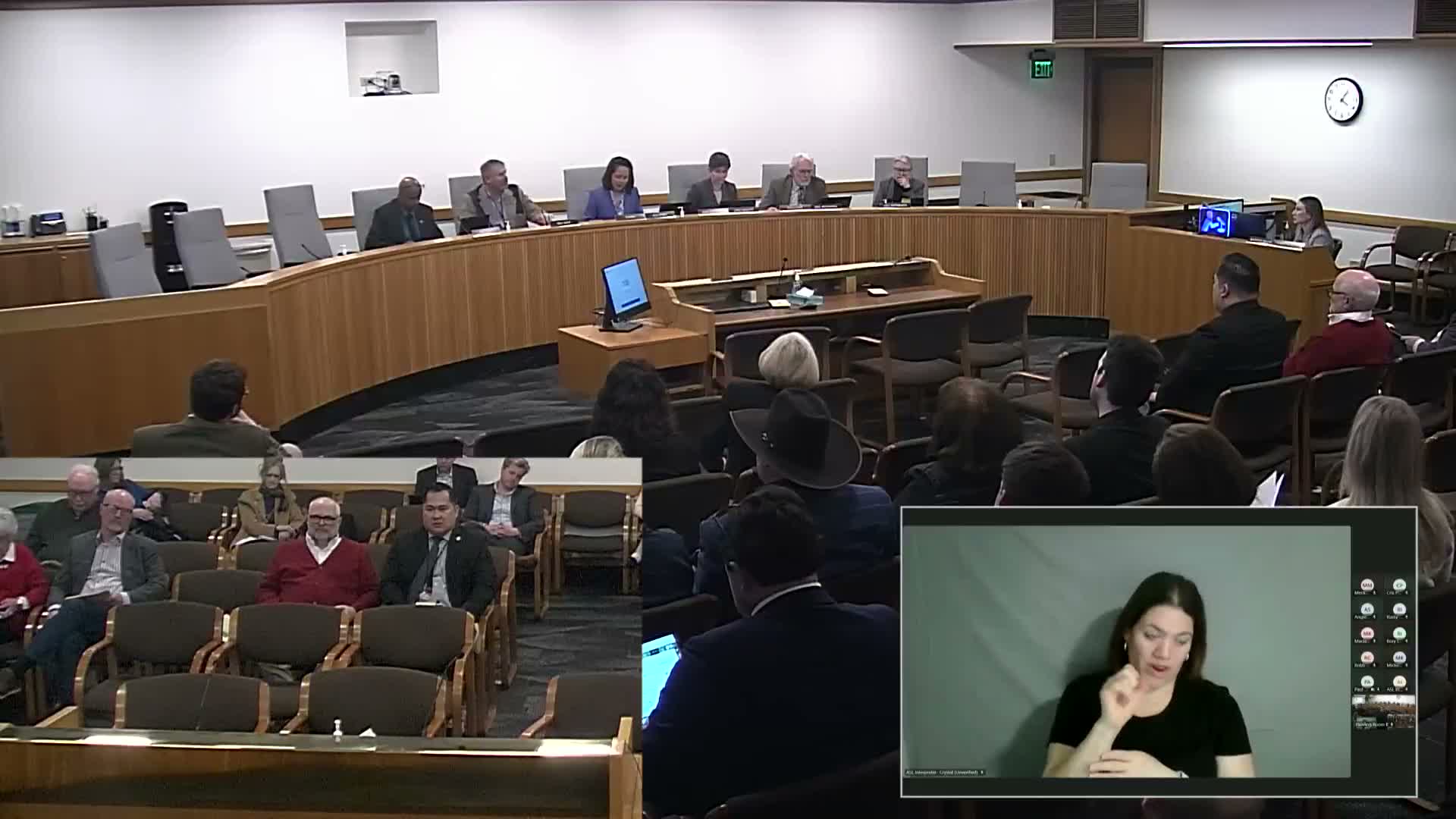
The committee opened a public hearing on SB 15 78, a bill allowing qualifying rural counties to rezone up to 50 acres outside urban growth boundaries for residential development and to expand accessory dwelling unit (ADU) siting and size allowances on farmland parcels that already contain a dwelling.
Sen. Todd Nash introduced the bill and described it as a targeted, county opt-in tool to address acute rural housing shortages; he and his staff recounted specific rural examples where lack of housing had forced expensive temporary solutions and harmed local employers. County commissioners and representatives from the Eastern Oregon Counties Association urged passage, emphasizing local control, a sunset date (2034), reporting requirements, and a modest aggregate acreage limit (50 acres per county, ~950 acres statewide under testimony). They described small-footprint, relatively inexpensive housing prototypes that have had local success.
Opponents — including 1000 Friends of Oregon, Central Oregon Land Watch, the Oregon Farm Bureau and individual ranchers — argued the bill effectively rezones resource lands to urban densities without sufficient protections for water, wildfire risk, habitat, or agricultural operations and warned it could incentivize speculation. Particular criticism focused on changing the definition of rural residential boundaries and increasing the allowable ADU size (opponents said the bill would allow up to 2,500 sq ft ADUs in some interpretations), which they said could amount to a second primary dwelling.
Proponents countered that the bill is voluntary for counties, contains caps and reporting requirements, and is structured to be temporary (sunset), and that rural communities need new tools to attract workforce housing. The committee closed the hearing and allowed written testimony to be filed on OLIS for 48 hours; no committee vote was recorded at the close of testimony.