Get Full Government Meeting Transcripts, Videos, & Alerts Forever!
Get email alerts on the Traffic Citations topic
No spam. Unsubscribe anytime.
Sponsor seeks fix to parking‑ticket citations for recently sold vehicles with HB 4137
Summary
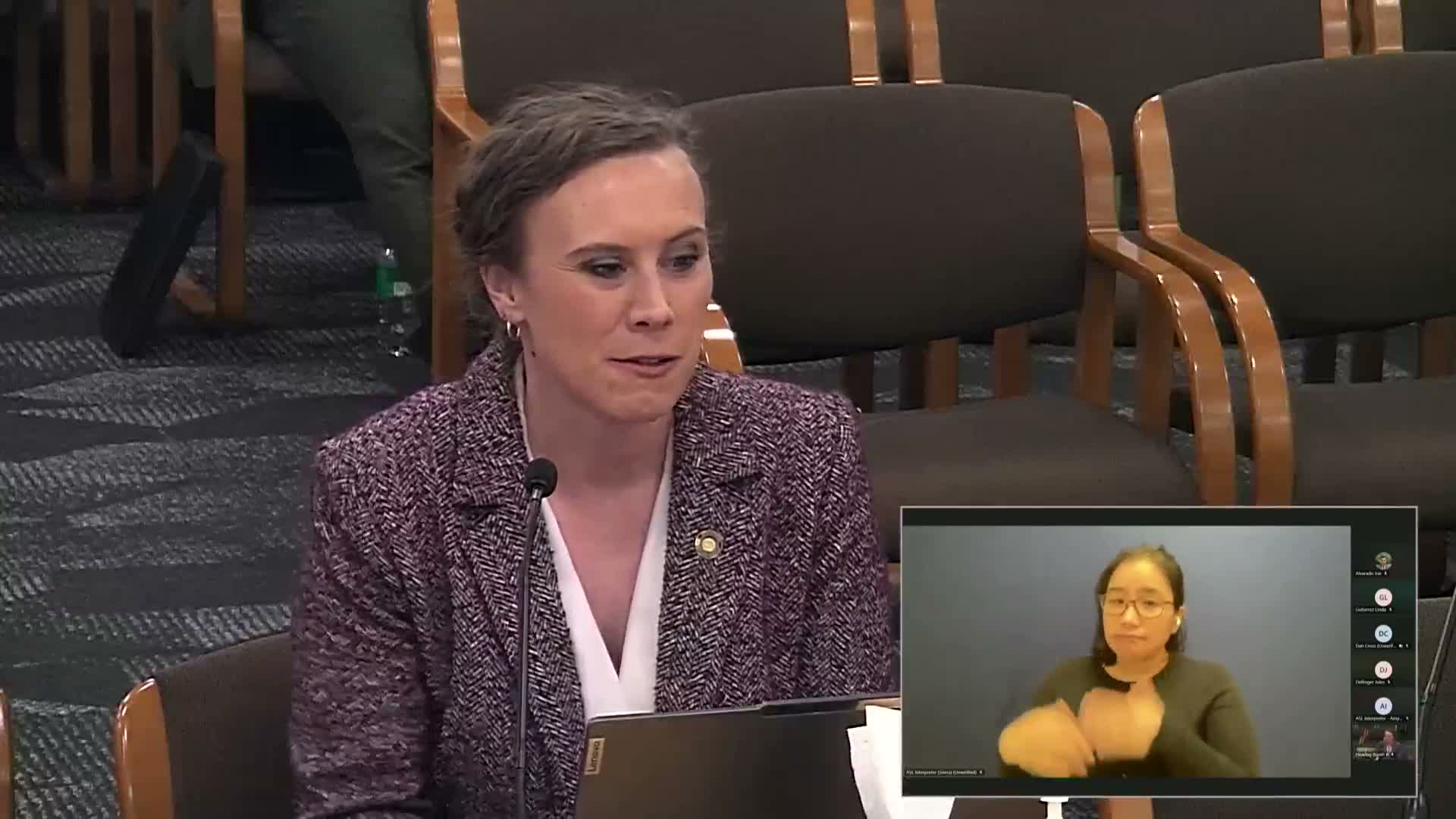
Representative Jamie Kate told the committee HB 4137 would let defendants notify the court that they had transferred vehicle ownership (notice of sale) so a citation can be dismissed without a court appearance; judges and OJD expressed concern the draft could allow abuse and recommended refinements and due‑process safeguards.
Representative Jamie Kate introduced House Bill 4,137 to correct a recurring problem: sellers can receive parking citations for vehicles they no longer own if title transfers do not appear in DMV records. Kate said her constituent submitted the required notice of sale to DMV and still faced collection actions, motivating statutory clarification so courts may dismiss such citations when the seller provides proper evidence.
Kate told the committee that courts and jurisdictions handle these cases inconsistently; some courts already accept a notice of sale as a basis to dismiss without a hearing while others require additional proof. The dash‑2 amendment (online) was described as an attempt to provide flexibility and align statutory language with judicial practice.
The Oregon Judges Association and Judge Cross testified in opposition to the bill as drafted, saying the language could be overbroad and create opportunities for misuse (for example, transferring a vehicle to a business while continuing to operate it). Judges urged preserving due process by giving the state an opportunity to be heard and suggested fixing DMV procedures or adding technical amendments such as requiring additional supporting documentation or preserving the state's ability to contest a defense.