
252nd District Court accepts multiple pleas, imposes deferred probations and raises bonds after positive drug tests
Get AI-powered insights, summaries, and transcripts
Subscribe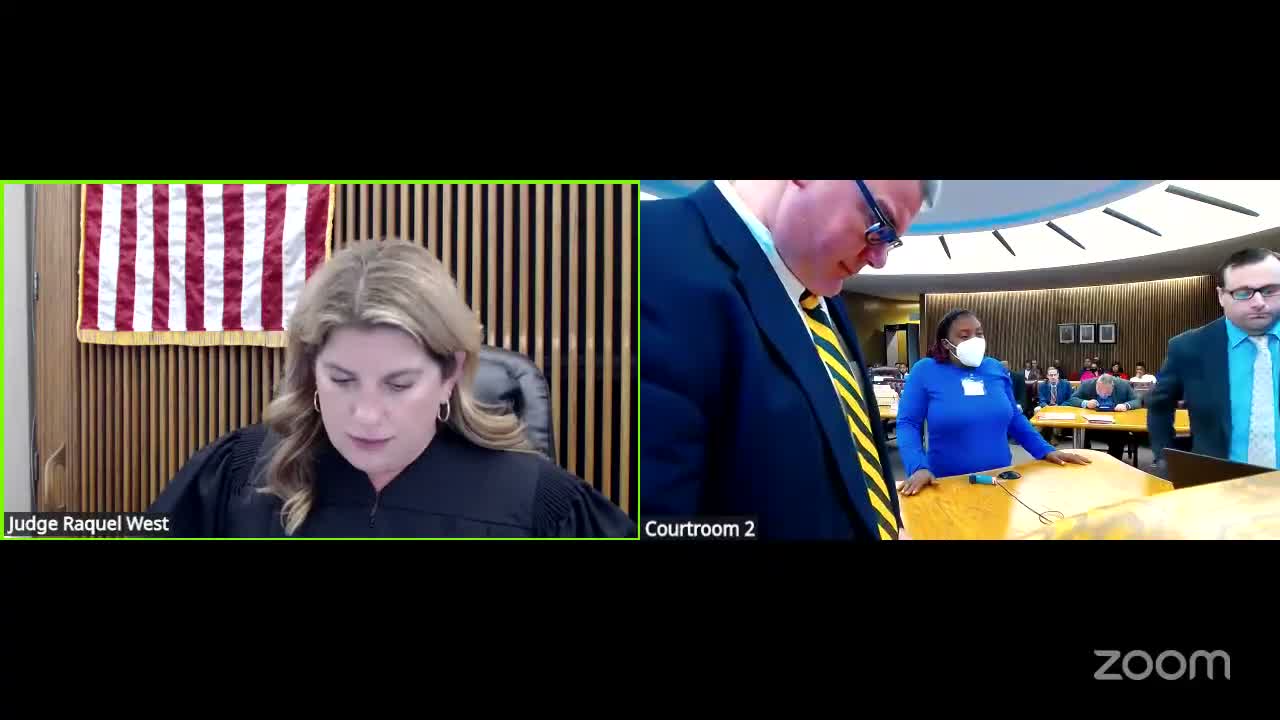
Summary
At the 252nd District Court session Judge Walker accepted a string of guilty pleas and deferred sentences, granted restitution and probation conditions in several cases, approved an expunction for one petitioner, and increased bond and monitoring conditions for a defendant after positive drug tests.
Judge Walker presided over a crowded docket in the 252nd District Court on Feb. 25, reviewing dozens of cases that resulted in plea acceptances, deferred sentences and new monitoring conditions.
The court repeatedly found that defendants had entered guilty pleas “freely and voluntarily,” accepted negotiated agreements with the district attorney and in many cases deferred sentencing while placing defendants on probation. In one early matter the court accepted a plea agreement for Precious Eaglin and deferred sentencing while imposing a seven‑year probation term and a $500 fine. “I’m going to find that you previously entered your plea and guilty, freely and voluntarily; however, I’m going to follow the agreement that you made with the district attorney and defer all proceedings and place on probation for 7 years,” the court said during that hearing.
The judge stressed that defendants who fail to follow court orders face harsher consequences, including bond increases or incarceration. After a defendant tested positive on court-ordered drug screening the judge raised bond amounts in that defendant’s related cases to $50,000 and $25,000 and required continuous monitoring via a drug‑patch on release, stating that patches must be installed within 24 hours and changed biweekly.
Several pleas involved reduced or deferred punishments: Kelby Blanchett pleaded guilty to a reduced terroristic‑threat charge and received two years’ deferred probation and a $500 fine as part of an agreed disposition. Other defendants accepted deferred probations with restitution or fines — for example Kyra Rogers was ordered to pay $2,536 in restitution as part of a two‑year deferred probation agreement.
The court also addressed procedural matters: multiple cases were reset while defense and prosecution gathered video evidence or prepared presentence reports. In a felony matter involving alleged intoxication manslaughter (cause numbers 25DCCR0386/0387), the court reset sentencing to March 9 to permit trooper testimony and review of contested video evidence.
The session included a mix of outcomes: guilty pleas accepted, deferred sentences and probationary terms imposed, some cases reset for further proceedings, and bond and monitoring conditions strengthened when the court found violations of bond conditions. The docket closed with several defendants instructed to coordinate with probation staff and return on future court dates.