Get Full Government Meeting Transcripts, Videos, & Alerts Forever!
Get email alerts on the Measure O Funding topic
No spam. Unsubscribe anytime.
Sonoma County approves roughly $12.5 million in Measure O and HAP awards for behavioral health and homelessness programs
Summary
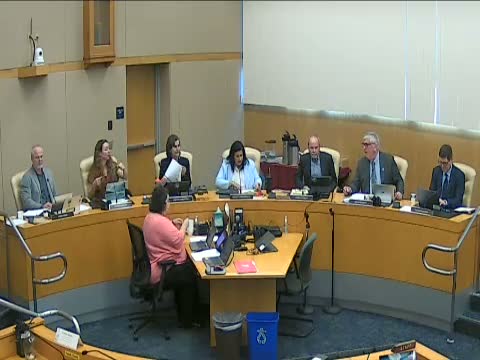
The Board of Supervisors voted unanimously to approve about $12.5 million in Measure O and HAP grants to cities and nonprofits for behavioral-health, homelessness and youth services after hearing from providers and city officials who urged longer-term operational funding plans.
Sonoma CountyBoard of Supervisors members voted unanimously Tuesday to approve recommended awards from a large Measure O NOFA, directing roughly $10 million in Measure O funds and about $2.4 million in Homeless Housing Assistance and Prevention (HAP) funding to 18 projects serving behavioral health needs, people experiencing homelessness and school-based mental-health services.
Health Services Director Nolan Sullivan told the board the NOFA attracted far more demand than the county could meet: "about $12,000,000 in suggested grants today" from roughly $36 million in requests, leaving more than $26 million unmet. He described Measure O as the voter-approved, 10-year quarter-cent sales tax that was intended to stabilize behavioral-health funding and support new programs.
The recommended awards list included Catholic CharitiesCaritas Bridge to Housing ($924,000); the Town of Windsor and City of Cloverdaleinterim housing scattered-site project ($650,000); Santa Rosa Safe Parking ($479,000); Community Support NetworkIntegrated Recovery Transitional Age Youth housing ($560,000); Saint Vincent de PaulGrabenstein Commons ($1,000,000); Sonoma County Office of EducationSchools as Centers of Wellness ($500,000); Rohnert ParkLaBath Landing ($836,000); and multiple nonprofit and city programs providing rapid rehousing, culturally specific services and youth supports. Some projects received layered funding combining Measure O and HAP allocations.
Nonprofit and city leaders who spoke during public comment emphasized outcomes and operational needs: Saint Vincent de Paul reported construction progress and high resident retention; Community Support Network and its youth-housing staff described strong retention and recovery outcomes; cities and mayors thanked the county and urged the board to pursue sustainable multi-year operational funding for Homekey and other shelter programs.
Board members praised the competitive, community-advisory review process but repeatedly warned that Measure O is time-limited and revenue fluctuates with sales tax. Vice Chair Corsi said the awards will make a difference for residents but urged staff and city partners to develop longer-term funding options. Supervisor Hopkins asked about contract guardrails for projects that are still under construction; Sullivan said the county would coordinate with County Counsel and contracting staff to include appropriate assurances.
Vice Chair Corsi moved the recommended awards; a second was given and the board carried the motion on a roll-call vote with Supervisors Rabbit, Corsi, Gore, Hopkins and Chair Hermosillo voting yes (5-0). The board directed staff to return with further analysis on operational sustainability and budget planning ahead of Measure Oexpiration in 2027.
What happens next: staff will finalize grant agreements and layer HAP allocations where indicated; contracts will return to the board at the usual contract-approval checkpoints. Sullivan said the department plans additional briefings to unpack the 2021 resolution language and to discuss long-term funding options with the CEOand County Counsel.