Get Full Government Meeting Transcripts, Videos, & Alerts Forever!
Get email alerts on the K9 Unit topic
No spam. Unsubscribe anytime.
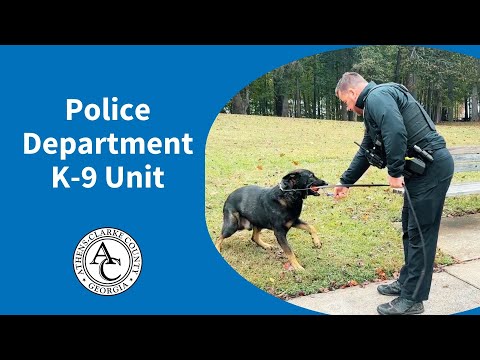
Briefing describes K9 unit origins, training and duties
Summary
An unidentified speaker said the K9 unit began in 2020 and now includes six dogs trained for evidence search, tracking, narcotics detection and apprehension; procurement, funding and oversight details were not specified.
An unidentified speaker outlined the origins and operational focus of a K9 unit, saying the program began in 2020 and now includes six dogs trained for multiple duties.
The speaker, identified in the transcript only as Speaker 1, said the dogs serve several disciplines: evidence search, tracking for suspects or missing people, narcotics detection and human-odor apprehension. "We have 6 dogs," Speaker 1 said, and added that "they have multiple disciplines." The speaker emphasized that dogs can detect human odor on evidence even if they are not searching for the item itself.
Speaker 1 described training specifics: dogs intended for narcotics work "are gonna be trained on a group of 4 or 5 narcotics or drug odors," and the apprehension role allows handlers to use scent to locate and safely affect arrests. On training routines, the speaker framed maintenance training days as diagnostic check-ins to identify and correct deficiencies so dogs can perform on regular shifts: "We don't want the maintenance training day to be the end all be all... We want it to be just almost like a check-in."
The speaker said most dogs are imported from Eastern Europe and "they're gonna go through Holland," which the speaker used to explain why some dogs' original commands are in Dutch. The speaker also described selecting dogs that "enjoy the work" and shared an anecdote about a dog named Bruno: "I've had Bruno for over 5 years. He knows my getting ready for work routine... I cannot think of a single day in 5 years where he's not spinning around and ready to go to work."
According to the briefing, handlers have seen operational payoffs, including locating large quantities of narcotics and finding missing people. The speaker compared a successful find to a child "hitting a home run," underscoring the morale boost for handlers.
The transcript does not identify the agency, department or governing body delivering this briefing, nor does it specify funding sources, procurement contracts, oversight mechanisms, or exact training schedules. Those details were not provided in the recorded remarks.
The presentation concluded by restating that regular training and early remediation of deficiencies are intended to keep the dogs confident and mission-ready.