
Murray School Board approves expansion of district mental-health screenings to include K–2 and additional indicators
Get AI-powered insights, summaries, and transcripts
Subscribe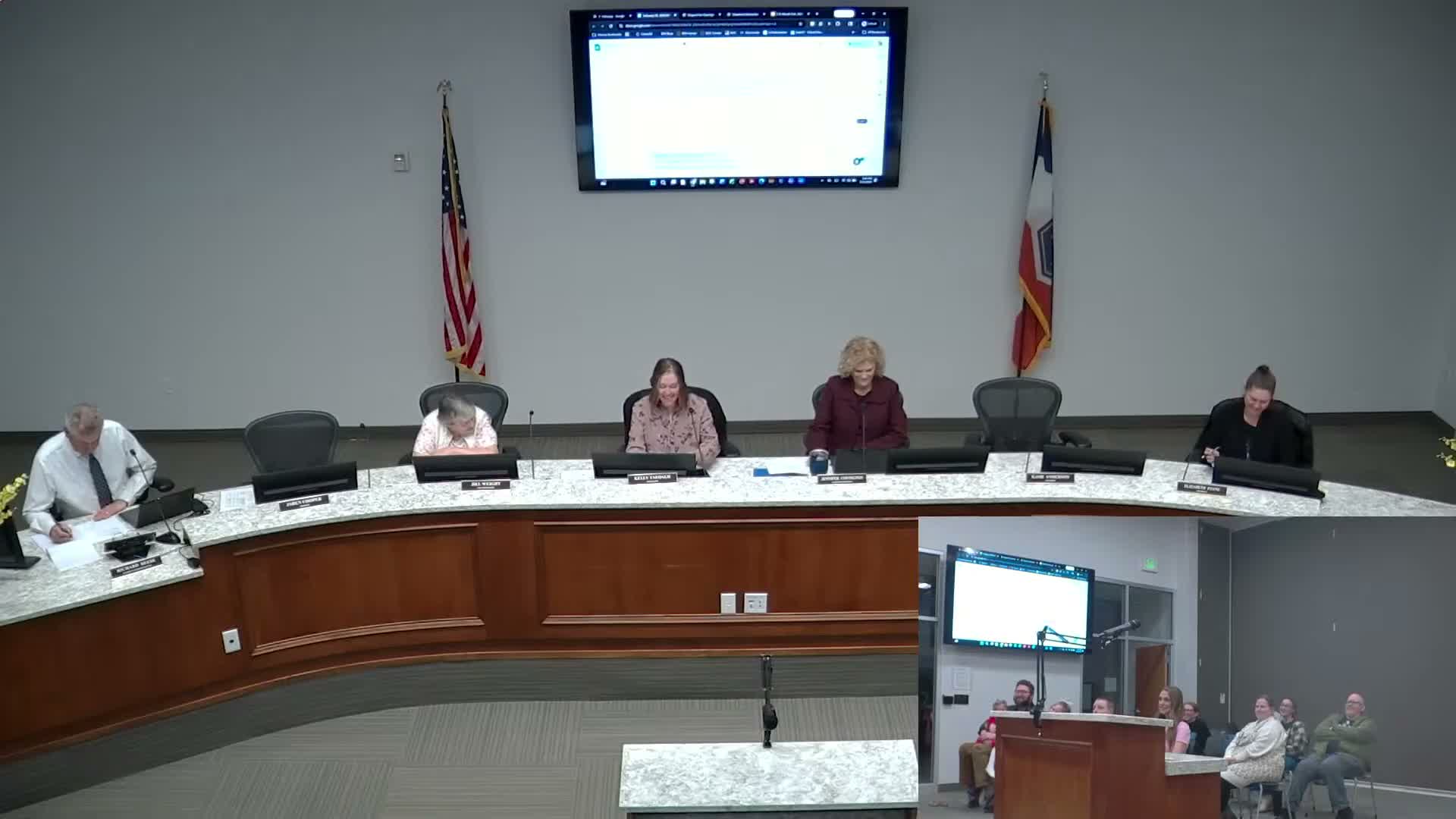
Summary
The Murray School District board voted to expand its voluntary mental-health screening program, adding K–2 access and new adversity indicators such as bullying and ostracism; participation remains parent-initiated and requires active consent. The board approved the request by voice vote at its Feb. 12 meeting.
The Murray School District Board of Education voted Feb. 12 to expand the district’s voluntary mental-health screening program, adding screening availability for kindergarten through second grade and new adversity questions for older students.
Sierra Marsh, the district’s school-based mental-health presenter, told the board the screenings are in their third year and have been held at several district events and parent–teacher conferences. Marsh summarized results from prior screenings and said the program categorizes results into tiers of concern; "about 2 percent of our kiddos" required a safety plan and "about 22 percent" showed a higher level of concern among participants, she said.
Marsh asked the board to approve two changes: add bullying and ostracism items to the adversity indicators across grades where appropriate and expand the screener to include kindergarten through second grade. She emphasized the screenings are parent-initiated and require active consent: "parents have to sign their student up to participate and they have to provide active consent to participate," Marsh said, and described how parents attend the event with the student, show photo ID, then the student completes a screener while a school-based clinician reviews results with the family.
Board member (Speaker 13) moved to approve both requests; the motion was seconded and approved by voice vote. Marsh told the board the next district screening event is scheduled for March 11 and that the district will communicate the inclusion of K–2 students to families.
Board members asked procedural questions during the presentation, including what the participation process looks like and whether the district could tailor age-appropriate indicators. Marsh responded that the district can add a shorter indicator set for kindergarten through second grade (global satisfaction, positive school experiences, grit, anxiety, depression and ostracism) while adding deeper secondary-grade indicators (self-criticism and tendencies toward aggression) for grades 6–12.
The board’s approval authorizes staff to proceed with the expanded screening protocol and the district will notify families of the March 11 event and the option for younger students to participate with parent consent.