Get Full Government Meeting Transcripts, Videos, & Alerts Forever!
Get email alerts on the Dnr Update topic
No spam. Unsubscribe anytime.
DNR outlines FY26 budget, storm response, park fee increase and wildlife initiatives
Summary
Commissioner Raven briefed the committee on DNR operations and priorities, citing a FY26 agency budget of about $355 million, winter storm response losses of roughly $250,000 in cancellations, the new $10 park pass, accessibility initiatives (Outdoors Beyond Barriers), oyster mariculture expansion, red snapper data efforts and chronic wasting disease monitoring.
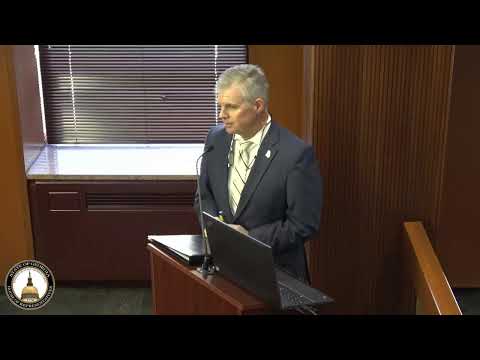
Commissioner Raven delivered a high-level overview of the Department of Natural Resources, describing the agency’s divisions, staffing and recent work.
Raven said DNR’s FY26 budget was approximately $355,000,000, of which about $181,000,000 are state dollars; the agency employs roughly 2,700 people. He highlighted the department’s coastal resources, law enforcement ("about 200 game wardens statewide"), state parks ("13,000,000 visitors last year" with an economic impact "over $1,700,000,000") and the wildlife resources division with more than 1,000,000 acres managed through 133 wildlife management areas.
Raven detailed the agency’s response to winter storm "FERN," noting DNR worked in unified command with the Georgia Forestry Commission and the Department of Agriculture, deployed over 200 personnel, and is still addressing closures and damage; he estimated reservation cancellations had cost about $250,000 so far (cancellations only). The commissioner encouraged members to request the presentation materials if desired and invited them to the 40th Game Warden Academy graduation on April 17.
Raven described the Outdoors Beyond Barriers (OBB) initiative to make outdoor recreation more accessible, including adaptive hunting and fishing events, mobility-track chairs and equipment for color-blind visitors. He also noted the state park pass increased from $5 (established 2009) to $10 on Jan. 1 and that revenue from the pass is dedicated to maintaining state parks.
On fisheries and aquaculture, Raven reviewed oyster mariculture established under House Bill 501 (2019), three mariculture zones and pending permits, and a multistate effort (with Florida, South Carolina and North Carolina) to seek an exempted fishing permit for red snapper from NOAA; carryover bills identified in the transcript were House Bill 443 and Senate Bill 420, and the effort would include mandatory harvest reporting via a mobile app.
Raven gave an update on chronic wasting disease (CWD): he reported 10 confirmed cases within a roughly 20-mile area spanning several counties, said DNR established 78 cooler sites for sample collection and reported over 3,000 samples taken during the season. He thanked DNR staff and partners for their response and noted ongoing monitoring and management.
Committee members asked about shooting range staffing, migratory duck-season date windows (Raven said the federal window constrains state options and DNR will attempt to schedule the season as late as allowed), and reopening of boat ramps managed with the Corps of Engineers. Raven answered questions about recruitment for the academy (23 cadets in the current class), urban deer programs and steps to market open parks to recoup lost revenue.
The committee adjourned after the Q&A.